Hà Tĩnh Province
The homeland of Nguyễn Du — Thiên Cầm beach, Kẻ Gỗ lake, and Đồng Lộc T-junction
Central Vietnam · North Central Coast
The homeland of Nguyễn Du — Thiên Cầm beach, Kẻ Gỗ lake, and Đồng Lộc T-junction
Central Vietnam · North Central Coast
Hà Tĩnh is one of 11 provinces that will not merge according to Resolution 202/2025/QH15, retaining its administrative boundaries from before July 1, 2025. It has an area of 5,994.40 km² and a population of over 1.62 million people. Located in the center of the North Central Coast, Hà Tĩnh borders Nghệ An to the North, the new Quảng Trị province (Quảng Bình + former Quảng Trị) to the South, Laos to the West, and the East Sea to the East. This is the homeland of the Great Poet Nguyễn Du — author of 'Truyện Kiều', along with many other historical figures. Hà Tĩnh is also a sacred land with Đồng Lộc T-junction — a symbolic relic of the Youth Volunteers' spirit during the American war. The administrative center is in Hà Tĩnh city.
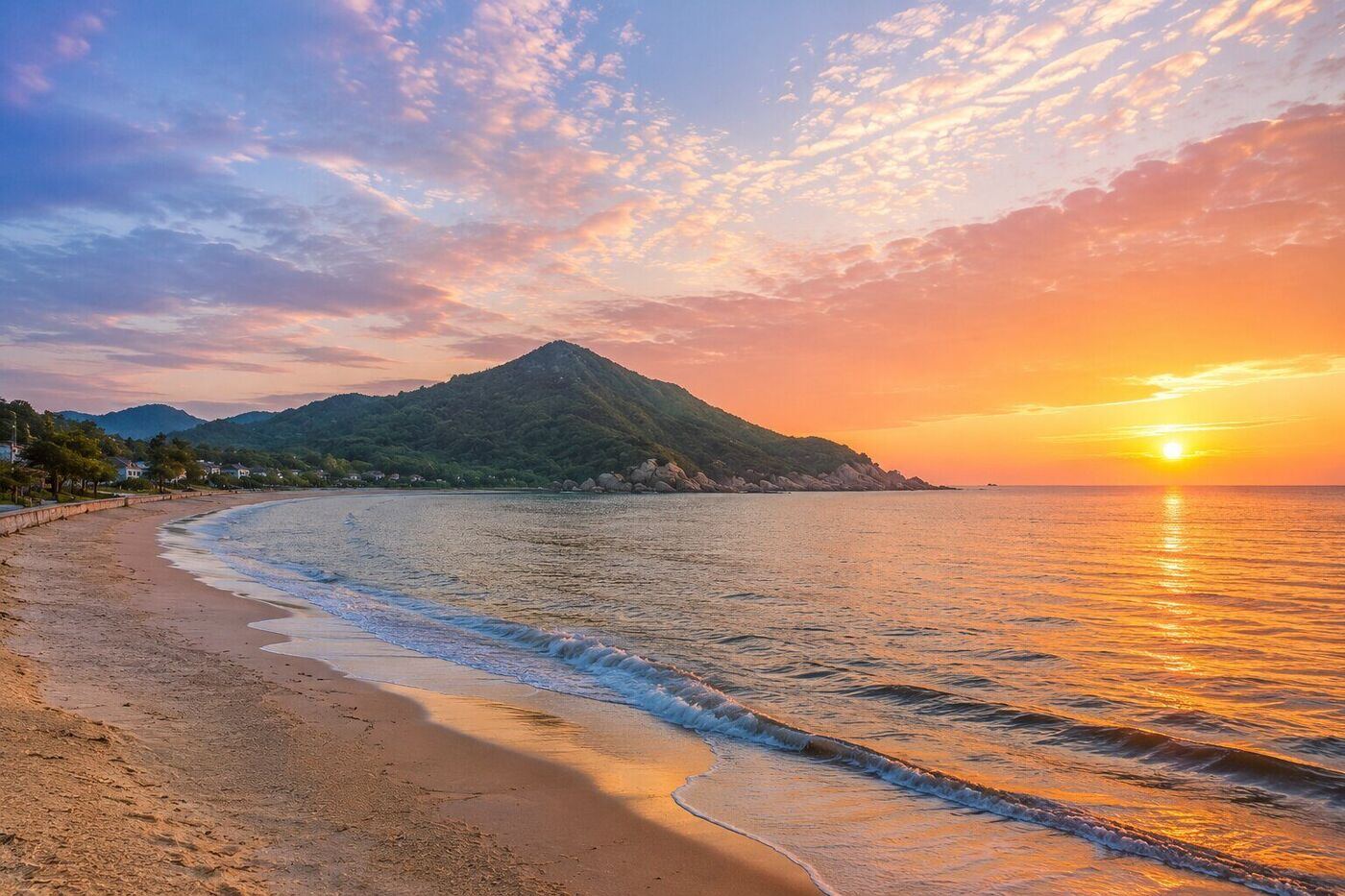
Thiên Cầm beach is located in Thiên Cầm town, Cẩm Xuyên district, about 20 km east of Hà Tĩnh city. The beach is about 3 km long, curving like a lute — legend has it that King Hồ Quý Ly named it 'Thiên Cầm' (heavenly lute) upon hearing the sound of waves and wind blowing through the mountains. The fine white-yellow sand, clear blue water, and moderate waves are suitable for families and beginner swimmers. Behind the beach is the Thiên Cầm mountain range with the ancient Thiên Cầm pagoda on its peak. Local cuisine is famous for sun-dried squid, ghẹ crabs, andỐc hương snails — eaten directly at casual beachfront eateries. The area still retains its rustic charm and has not been overly commercialized like many other beaches.
Things to do: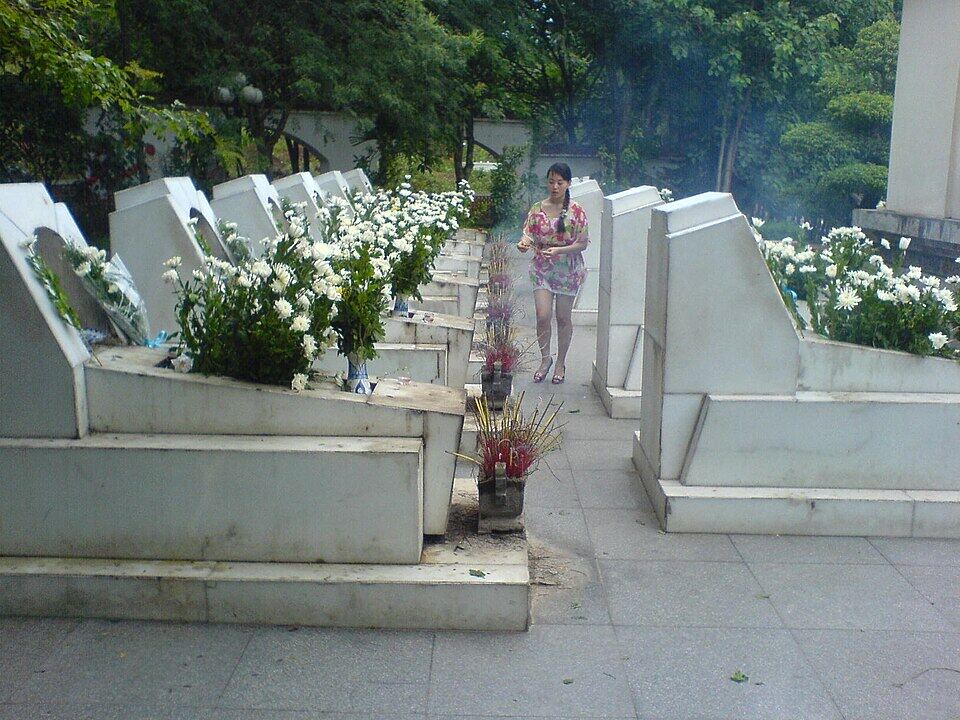
Ngã ba Đồng Lộc, located in Đồng Lộc commune, Can Lộc district, is the junction of three routes—a strategic transportation bottleneck on the Trường Sơn Trail during the American War. From 1964 to 1972, the US dropped over 50,000 bombs here—an average of 3 bombs per square meter of land. On July 24, 1968, a bomb struck the shelter of Youth Volunteer Squad 4, consisting of 10 young women aged 17 to 22—all sacrificed their lives while filling bomb craters to keep the road open. Today's monument complex includes the Victory Monument, Memorial Stele House, graves of the 10 girls, Bell Tower, and Đồng Lộc Museum—recognized as a Special National Monument in 2013.
Things to do: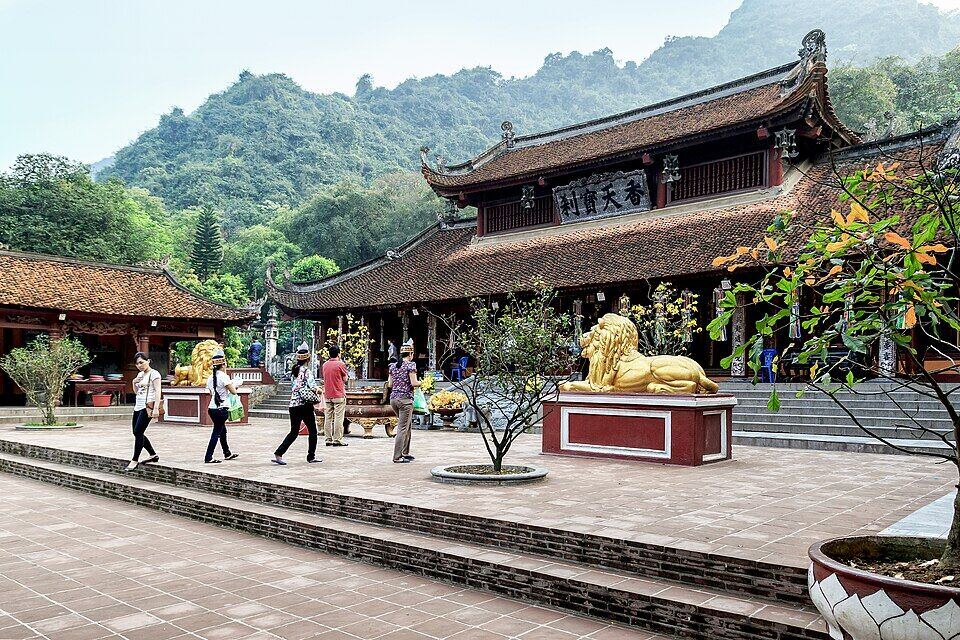
Hương Tích Pagoda is located on the peak of Hồng Lĩnh Mountain in Thiên Lộc commune, Can Lộc district, at an altitude of about 650 m. The pagoda was built during the Trần dynasty (13th century) and was originally one of the oldest Buddhist centers in the North Central Coast. According to legend, Princess Diệu Thiện (daughter of King Sở Trang Vương) attained enlightenment here—after the Hương Pagoda in Hà Nội was built (17th century), this pagoda was called 'Hương Tích Cổ Tự' to distinguish it. Visitors can take a cable car or climb 1,000 stone steps to the peak, admire the 12 m high bronze statue of Avalokiteshvara, and worship at the Đại Hùng Bảo Điện. The path to the pagoda goes through ancient forests and fascinating rock formations—a rare serene landscape.
Things to do:
Kẻ Gỗ Lake is located in Cẩm Mỹ commune, Cẩm Xuyên district, about 25 km southwest of Hà Tĩnh city. It is the largest irrigation project in Hà Tĩnh, storing water since 1976 with a capacity of 345 million m³, a surface area of over 30 km², extending 30 km through valleys amidst old-growth forests. The lake area and surrounding forest form the Kẻ Gỗ Nature Reserve, recording over 360 animal species and 567 plant species, including the white-crested pheasant — a rare bird species. Visitors can take a boat trip on the lake to enjoy the scenery, visit Bồng Lai island in the middle of the lake, and pay respects at the temple of former General Secretary Lê Duẩn — who directed the construction of the lake during the American War. The song 'Người đi xây hồ Kẻ Gỗ' by musician Nguyễn Văn Tý has linked the lake's name with the memories of generations of Vietnamese people.
Things to do: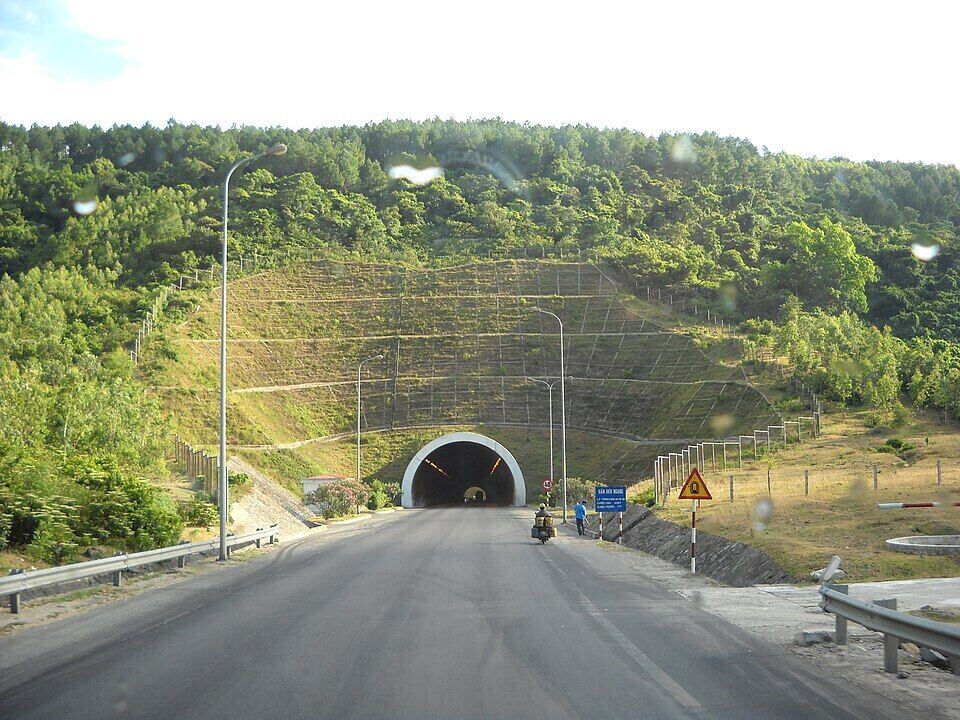
Đèo Ngang is about 6 km long, winding through the Hoành Sơn mountain range, serving as the natural border between Hà Tĩnh and the new Quảng Trị province (former Quảng Bình region). The pass is nearly 250 m high, and since ancient times, it has been a gateway for transport between the North and Central Vietnam. The 19th-century poem 'Qua Đèo Ngang' by Bà Huyện Thanh Quan — 'Stepping onto Đèo Ngang, the afternoon sun fades / Grass and trees intertwine with rocks, leaves with flowers' — has etched the name Đèo Ngang into the consciousness of generations of Vietnamese people. At the summit of the pass is Hoành Sơn Quan — a border gate built during the Minh Mạng dynasty in 1833 with the couplet 'Hoành Sơn nhất đới, vạn đại dung thân'. Currently, the 495 m long Đèo Ngang tunnel has been open since 2004, so coaches usually pass through the tunnel — but the old pass road above is still a stop for tourists to admire the scenery and check in.
Things to do: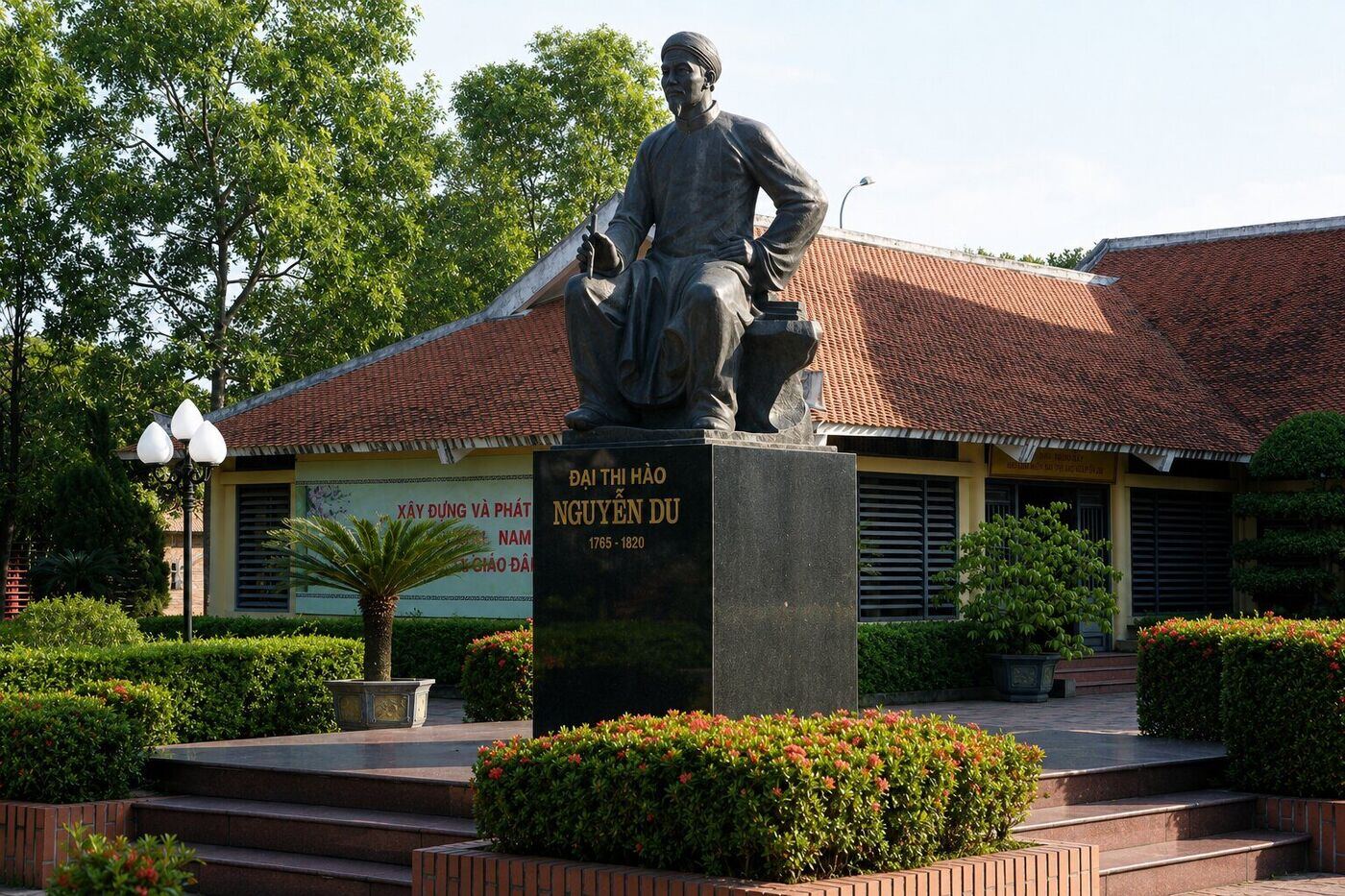
The Nguyễn Du Memorial Area is located in Tiên Điền commune, Nghi Xuân district, 50 km north of Hà Tĩnh city. This is the hometown of the Great Poet Nguyễn Du (1765–1820) — author of 'Truyện Kiều' (Đoạn trường tân thanh), a literary masterpiece written in chữ Nôm that has been translated into over 20 languages worldwide. In 2013, UNESCO honored Nguyễn Du as a World Cultural Celebrity. The memorial area includes: Nguyễn Du's tomb, a temple, and the Nguyễn Du Museum displaying his works, the chữ Nôm version of 'Truyện Kiều', personal belongings, and documents about the Nguyễn Tiên Điền lineage — one of the largest scholarly families during the Lê – Nguyễn dynasties. Recognized as a Special National Relic in 2013.
Things to do:No. Hà Tĩnh is one of 11 provinces that did not undergo provincial-level rearrangement according to Resolution 202/2025/QH15, maintaining its administrative boundaries. Commune-level units have been rearranged according to Resolution 1665/NQ-UBTVQH15.
Area 5,994.40 km², population 1,622,901 people (according to data after arrangement on 01/7/2025). The administrative center is in Hà Tĩnh city.
License plate number 38, phone area code 0239. No change after 01/7/2025.
In Đồng Lộc commune, Can Lộc district, 30 km from Hà Tĩnh city. It is a special national relic — where 10 young female volunteers sacrificed their lives on 24/7/1968 while filling bomb craters to keep Trường Sơn road open.
Approximately 6–7 hours by car (340 km on the North – South expressway), 5–6 hours by train to Vinh station then 1 hour by car. The nearest airport is Vinh airport (Nghệ An), 50 km from Hà Tĩnh city.
Chùa Hương Tích Hà Tĩnh was built during the Trần dynasty (13th century), on Hồng Lĩnh peak at an altitude of 650 m; chùa Hương in Hà Nội was established later (17th century). Therefore, chùa Hương Hà Tĩnh is traditionally believed to be the 'original' chùa Hương — 'Hương Tích Cổ Tự'.