Quảng Trị Province
Heroic land of fire — magnificent Phong Nha and DMZ memories
Central Vietnam · North Central Coast
Heroic land of fire — magnificent Phong Nha and DMZ memories
Central Vietnam · North Central Coast
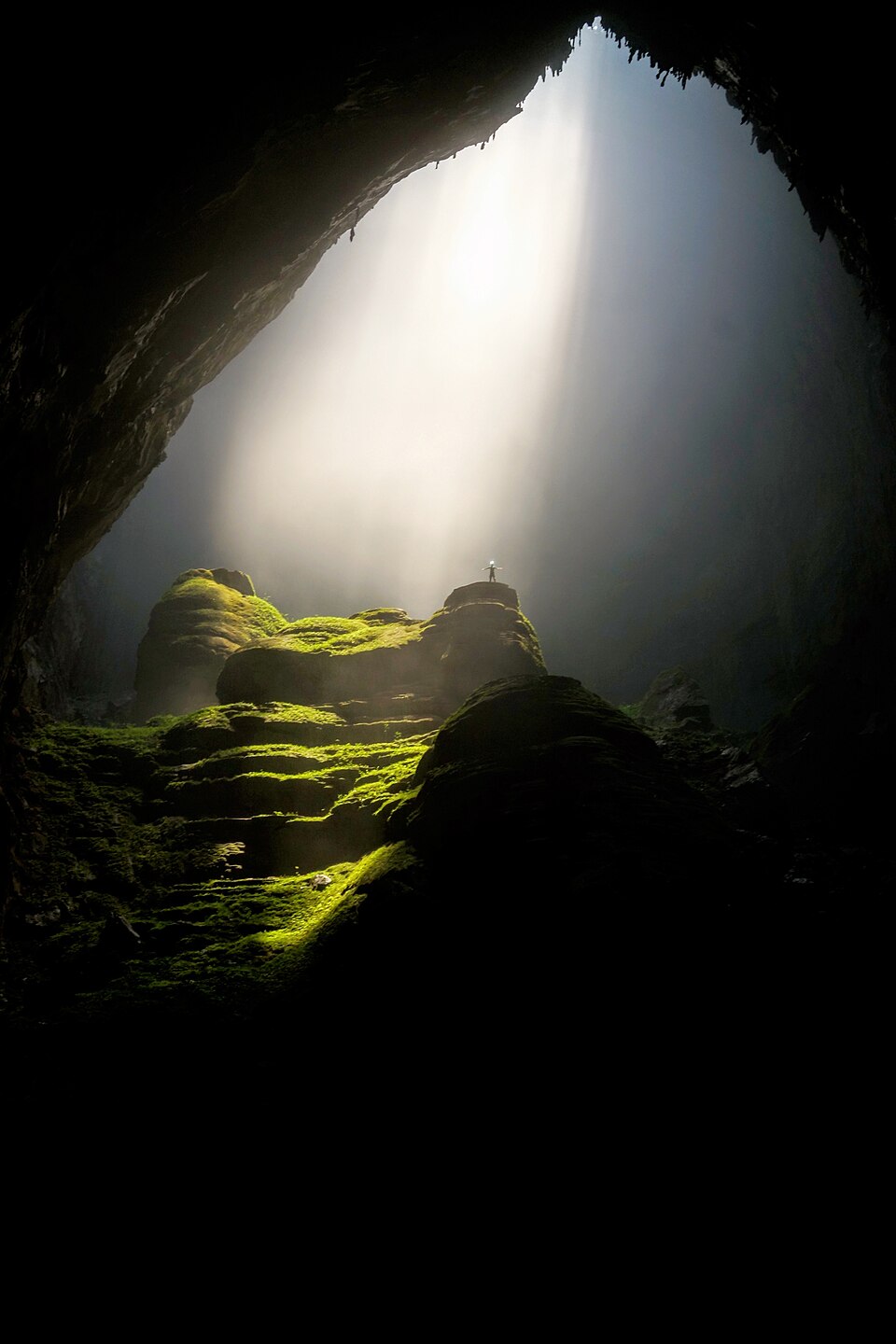
Quảng Trị was newly established according to Resolution 202/2025/QH15 based on the merger of former Quảng Trị province and Quảng Bình province. With an area of 12,700.00 km² and a population of 1,870,845 people, the province is located in the North Central Coast — a region that suffered the most during the Vietnam War with the 17th Parallel dividing the two regions and the DMZ (Demilitarized Zone) system. After the merger, Quảng Trị possesses both special heritage systems: Phong Nha – Kẻ Bàng National Park — a UNESCO World Natural Heritage site honored twice (2003, 2015) with the world's largest cave Sơn Đoòng; and the DMZ war relic complex — Quảng Trị ancient citadel, Hiền Lương bridge, Thạch Hãn river, Vĩnh Mốc tunnels. The administrative center is located in Đồng Hới city (former Quảng Bình), 500 km from Hà Nội.
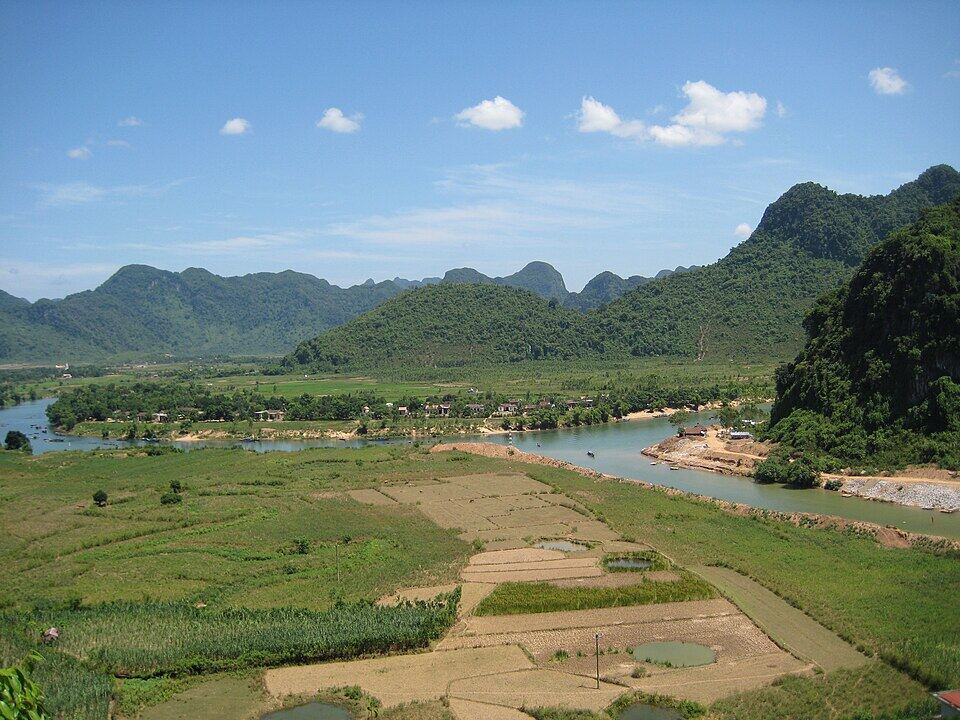
Phong Nha – Kẻ Bàng National Park is located in Bố Trạch and Quảng Ninh districts (former Quảng Bình, now part of Quảng Trị). Covering 123,326 ha, it was recognized by UNESCO as a World Natural Heritage site twice: in 2003 (geological value) and in 2015 (biodiversity and aesthetic value). The cave system here is over 300 km long — the largest in the world — with its 'star' being Hang Sơn Đoòng (Sơn Đoòng Cave), discovered in 2009, 200 m high, 175 m wide, and 9 km long — the largest natural cave on the planet. The Sơn Đoòng exploration tour lasts 4 days and 3 nights, costs approximately 3,000 USD/person, and is limited to 1,000 visitors/year. Popular open caves include: Phong Nha (boat trip through the cave), Thiên Đường (Paradise Cave, 31 km long), Tú Làn (a system of 8 caves, 2-day trekking), Hang Tối (Dark Cave — zip-line, swimming, mud bathing). Phong Nha tourism is developed sustainably with a homestay model pioneered by Oxalis Adventure.
Things to do: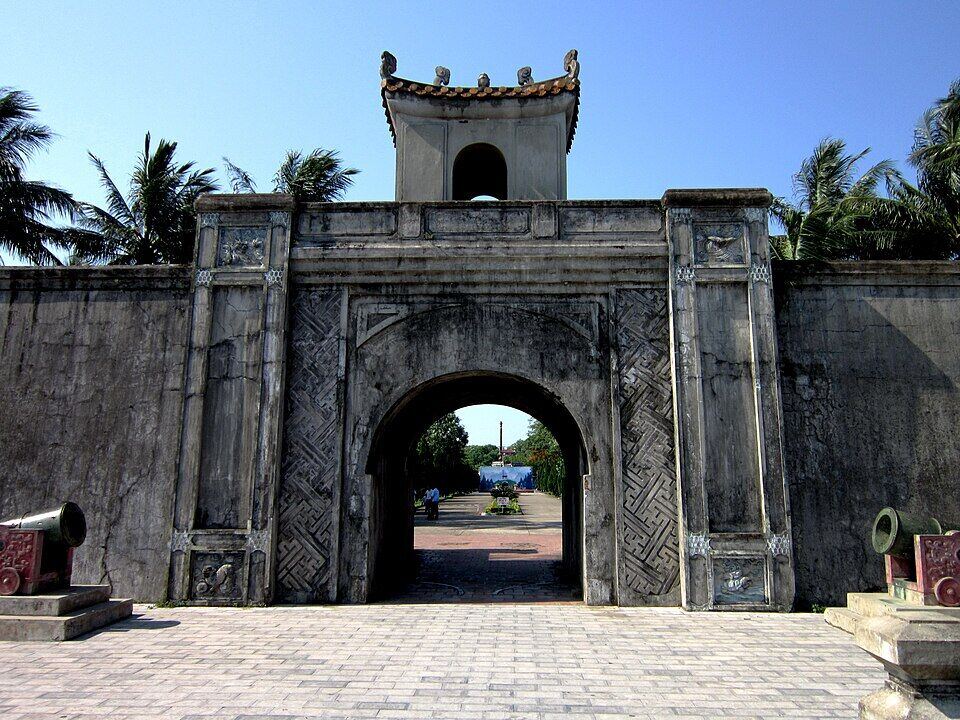
Quảng Trị Ancient Citadel is located right in the center of Quảng Trị town, 95 km south of Đồng Hới. This was the site of the fiercest battle of the 1972 Fiery Summer Offensive — 81 days and nights from June 28 to September 16, 1972, where thousands of soldiers sacrificed their lives to protect the ancient citadel. The relic complex is classified as a Special National Relic, including the square-shaped ancient citadel (500 × 500 m, built in the French Vauban style in 1824), the Ancient Citadel Museum displaying artifacts, bombs and bullets, and soldiers' handwritten letters. Next to the ancient citadel is the Thạch Hãn River — where every night people release floating lanterns in remembrance with the famous poem: 'Oh, boat going up Thạch Hãn... row gently / My friends still lie at the bottom of the river'. The lantern release ceremony on July 14 every year (War Invalids and Martyrs' Day) is the most moving event in Central Vietnam.
Things to do: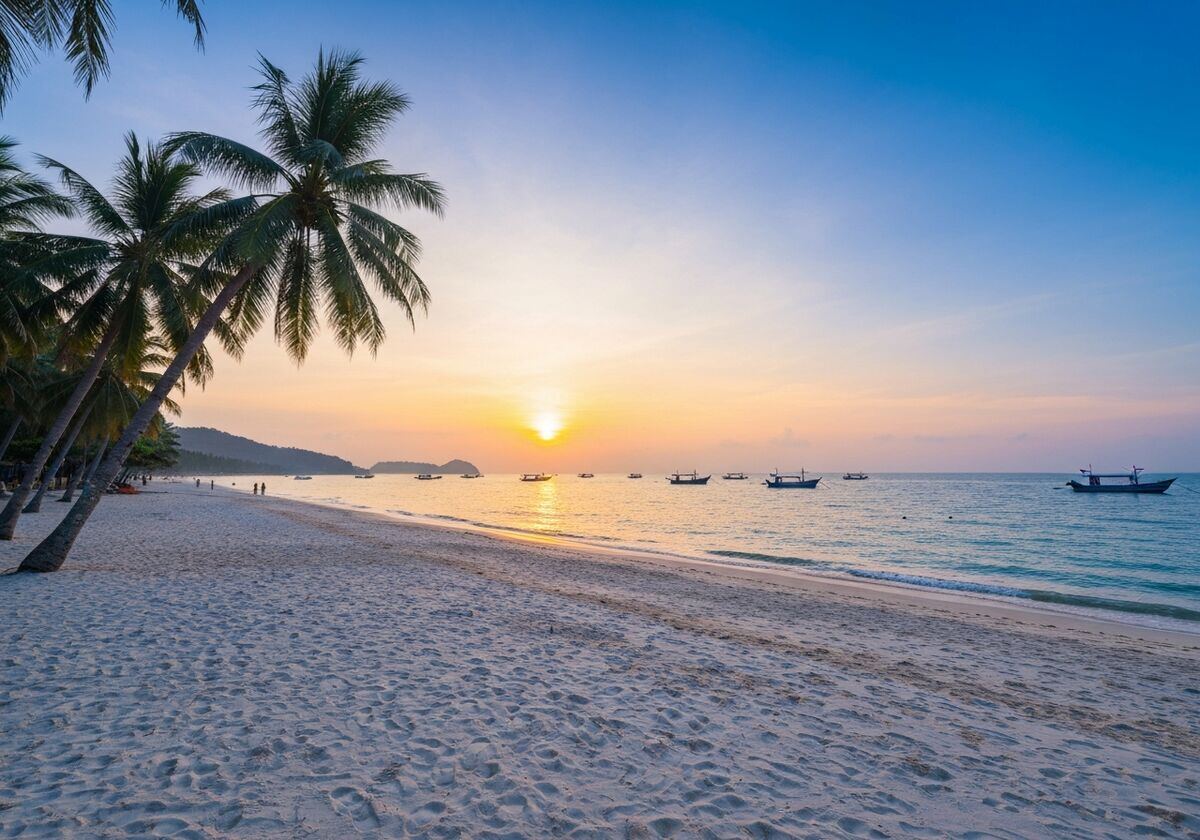
Nhật Lệ Beach is located right in the center of Đồng Hới city, 5 km from the airport. The beach is about 3 km long with fine white sand, clear blue water, and moderate waves — it is considered the most beautiful beach in North Central Vietnam. The name 'Nhật Lệ' means 'the setting sun sheds tears' — evoking a beautiful sunset over the sea. The Nhật Lệ River mouth flows into the sea, creating a bustling fishing port scene in the early morning. The Bảo Ninh area across the river has a more pristine beach with new resorts: Sun Spa Resort 5-star, Sunsea Hotel. From Nhật Lệ, you can take a boat to Bãi Đá Nhảy (20 km to the North) — a natural rock formation emerging from the sand in strange shapes. Đồng Hới also has Quảng Bình Quan — the only remaining ancient city gate on National Highway 1A.
Things to do: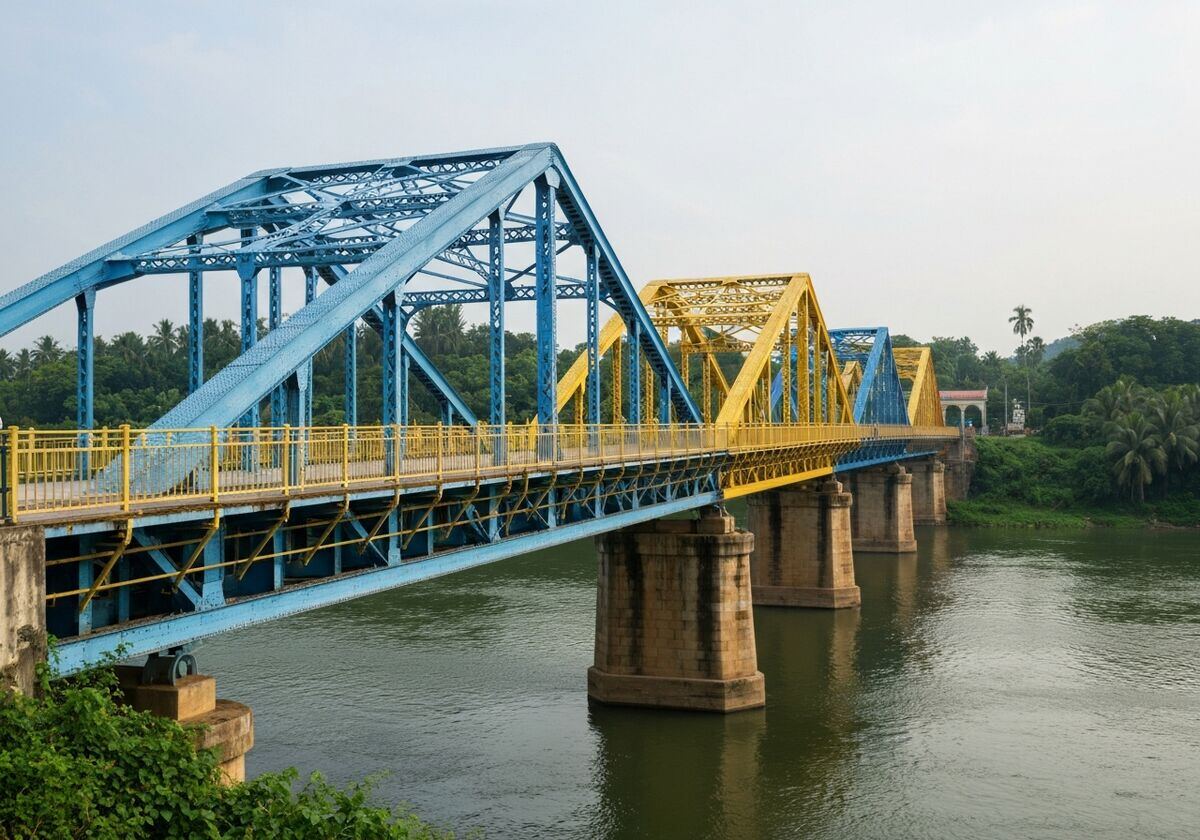
Hiền Lương Bridge spans the Bến Hải River at the 17th Parallel, in Vĩnh Linh district (former Quảng Trị). According to the 1954 Geneva Accords, the Bến Hải River and the 17th Parallel became a temporary military demarcation line dividing Vietnam into two regions for 21 years. The 178 m long bridge was painted in two colors: the northern half blue, the southern half yellow — a symbol of painful division. The Special National Relic site includes: the faithfully restored Hiền Lương Bridge, the Unity Aspiration Monument cluster, the 38.6 m high flagpole on the North side, and the Exhibition House displaying artifacts and images of the 17th Parallel. Nearby is the Vĩnh Mốc Tunnels (10 km to the East) — a 3-story tunnel system 30 m deep where 600 residents lived underground for 6 years (1966 – 1972) under American bombs, and 17 babies were born in the tunnels.
Things to do: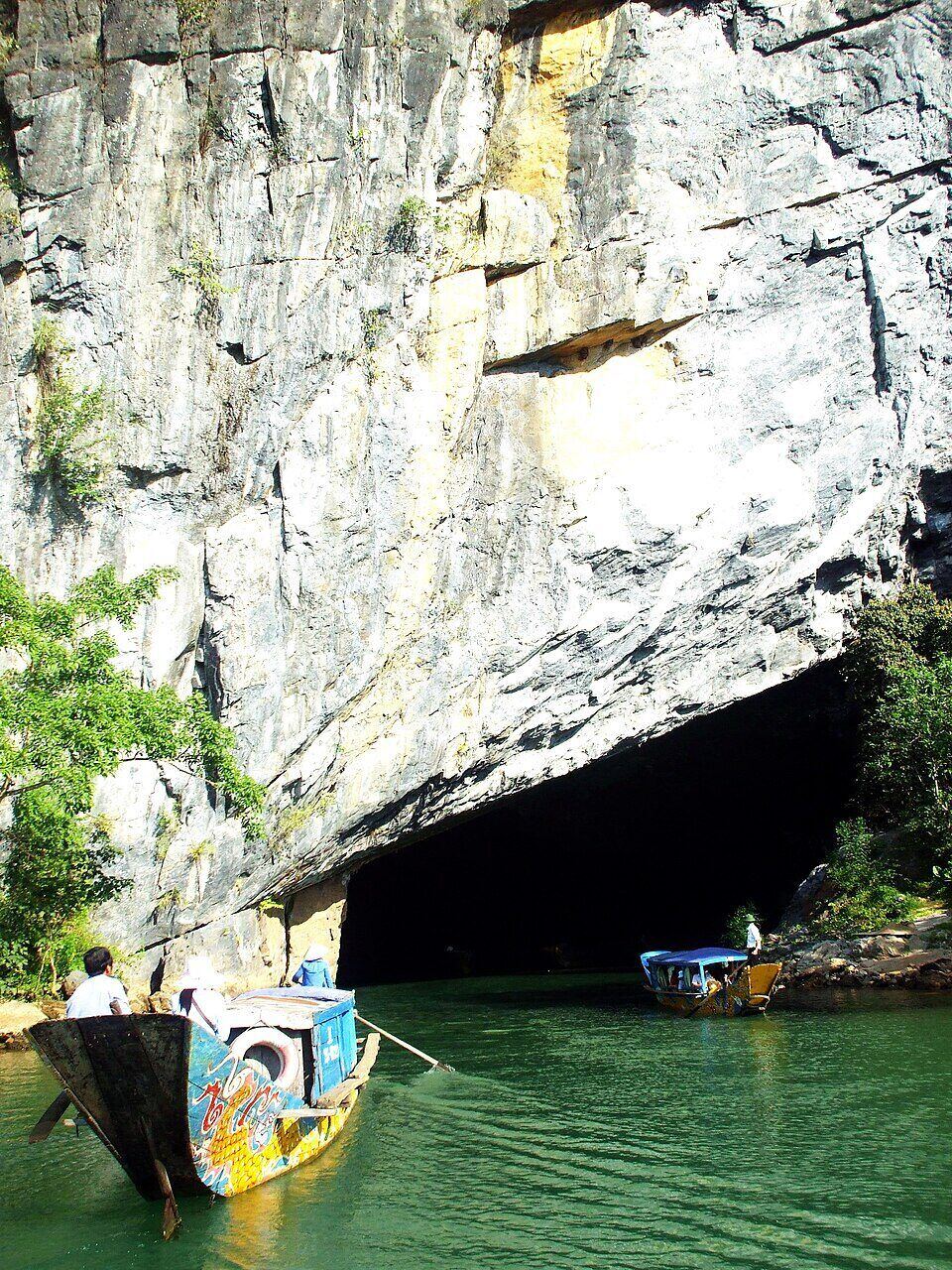
Suối Nước Moọc is located in the buffer zone of Phong Nha – Kẻ Bàng National Park, 60 km from Đồng Hới. The stream originates from the heart of limestone mountains, with clear emerald green water year-round at a cool temperature of 20 – 22°C. Suối Nước Moọc Ecotourism Area is managed by Jungle Boss company — designed sustainably: bamboo bridges, wooden rafts, forest trails, no concrete. Visitors can kayak on the green stream, swim through deep sections of the stream, and bathe in natural pools under the canopy of the primeval forest. The highlight is the 'Green Lake' area — where the stream widens into a green lake amidst the cliffs, like a natural swimming pool. From Suối Nước Moọc, you can combine a visit to hang Tối (Dark Cave, 8 km) and Phong Nha (20 km) on the same day.
Things to do: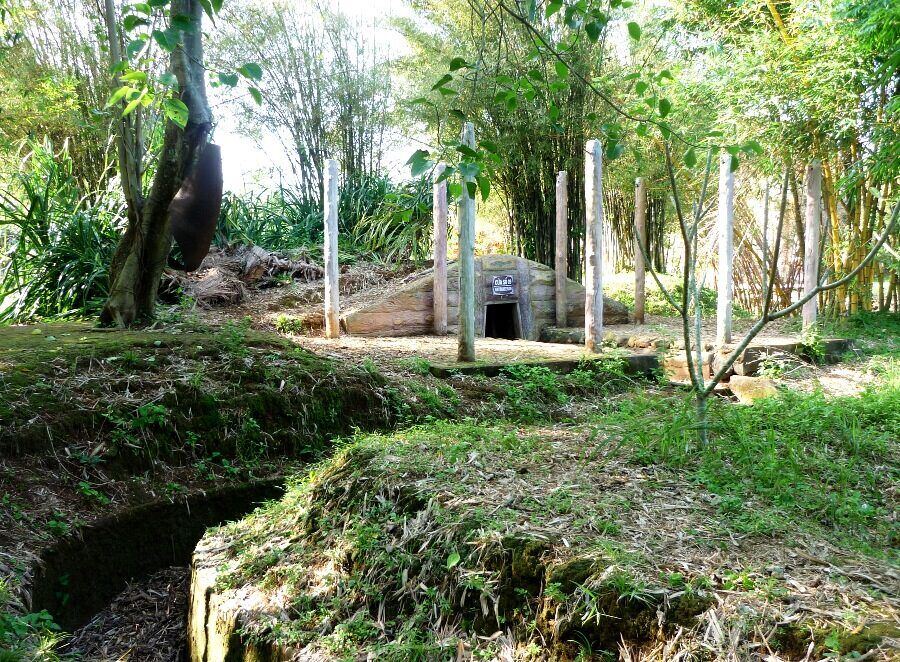
Vĩnh Mốc Tunnels are located in Vĩnh Thạch commune, Vĩnh Linh district, 10 km east of Hiền Lương Bridge. Dug from 1966 to 1972, the tunnels are 2,034 m long on 3 levels: level 1 at 12 m deep (families), level 2 at 15 m deep (meeting hall, infirmary), level 3 at 23 m deep (weapons storage). 600 residents of Vĩnh Mốc commune lived continuously underground for 6 years under 9,000 tons of American bombs. During this time, 17 babies were born in the tunnels — all survived. Unlike Củ Chi Tunnels (military), Vĩnh Mốc is a civilian tunnel — with family rooms, water wells, kitchens, and performance stages. The tunnels have 13 entrances: 7 to the sea, 6 to the hills — currently, visitors explore about 800 m of the original section, 1.5 – 1.8 m high, 1.2 m wide.
Things to do:According to Resolution 202/2025/QH15, the new Quảng Trị was merged from the former Quảng Trị province and Quảng Bình province. Effective from July 1, 2025.
No. After the merger, Phong Nha – Kẻ Bàng National Park belongs to the new Quảng Trị province. It still retains its UNESCO World Natural Heritage title.
4-day, 3-night tour, priced at about 3,000 USD/person (2025), limited to 1,000 guests/year. Book 6 – 12 months in advance through Oxalis Adventure — the only licensed operator.
Fly 1h to Đồng Hới airport, then 50 km (1h) by car to Phong Nha. Total about 2h30. Train from Hà Nội to Đồng Hới takes about 9 – 10h. Car takes about 8h (500 km).
DMZ (Demilitarized Zone) is the demilitarized zone along the 17th Parallel — Bến Hải River — the boundary that divided the two regions of Vietnam from 1954 – 1975. Main relics: Hiền Lương bridge, Vĩnh Mốc tunnels, Quảng Trị ancient citadel, Trường Sơn cemetery. DMZ tours are usually 1 day from Huế or Đồng Hới.
If prioritizing caves: stay in Phong Nha (homestays, close to caves). If you want both beach + caves: stay in Đồng Hới (better hotels, Nhật Lệ beach, 1 hour to Phong Nha). Ideal: 2 nights Phong Nha + 1 night Đồng Hới.