Huế Province
Ancient Capital Heritage — Dai Noi and Lang Co jade sea
Central Vietnam · North Central Coast
Ancient Capital Heritage — Dai Noi and Lang Co jade sea
Central Vietnam · North Central Coast
Hue is a centrally-run city established under Resolution 175/2024/QH15, effective from 01/01/2025 — based on the transfer of the entire Thua Thien Hue province. This is one of the six current centrally-run cities and the only city in the group NOT merged by Resolution 202/2025/QH15 — still retaining the former administrative boundaries of Thua Thien Hue province. It has an area of 4,947.11 km² with a population of 1,236,393 people. Hue was the capital of the nhà Nguyễn dynasty (1802 – 1945) — Vietnam's last feudal dynasty — possessing a unique UNESCO heritage complex comprising 7 categories: Complex of Hue Monuments (1993), Nha nhac, Vietnamese court music (2003), Woodblocks of Nguyen Dynasty (2009), Imperial Records of Nguyen Dynasty (2014), Literary and architectural art on Hue royal architecture (2016), Ca Hue (2015), and The practice of the Mother Goddesses of Three Realms (2016). The administrative center is located in Thuan Hoa district — former Hue city — along the romantic Perfume River.
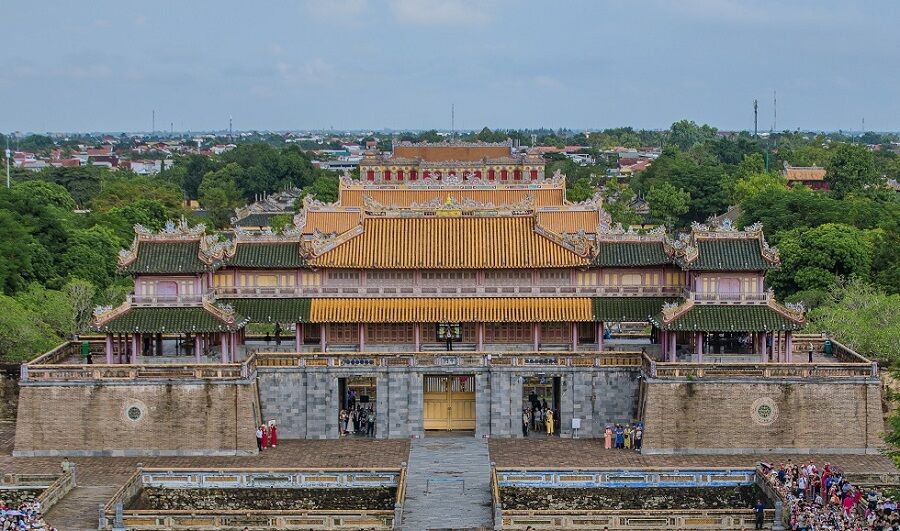
The Đại Nội Huế (also known as the Huế Imperial City) is a complex of the imperial city – royal city – forbidden purple city, covering approximately 520 ha on the North bank of the Hương River — the capital of 13 Nguyễn Dynasty emperors from 1802 to 1945. This is the main component of the Complex of Huế Monuments, recognized by UNESCO as a World Cultural Heritage site in 1993 — Vietnam's first UNESCO heritage site. The imperial city is square with 2.5 km sides and 10 large gates, built with bricks and stone in a French Vauban style mixed with East Asian tradition. Inside is the Royal City with Ngọ Môn (main gate, symbol of Huế), Thái Hoà Palace (where the emperor held court), Cần Chánh Palace (under restoration), Thế Miếu thờ 9 vua Nguyễn (Temple of Generations dedicated to 9 Nguyễn emperors), Hiển Lâm Các, and Cửu Đỉnh — 9 bronze urns symbolizing 9 emperors, currently recognized as a UNESCO World Documentary Heritage site in 2024. The Tử Cấm Thành in the center is the private area for the emperor and his family. In the evening, there are performances of Nhã nhạc cung đình — a 2003 UNESCO Intangible Cultural Heritage.
Things to do: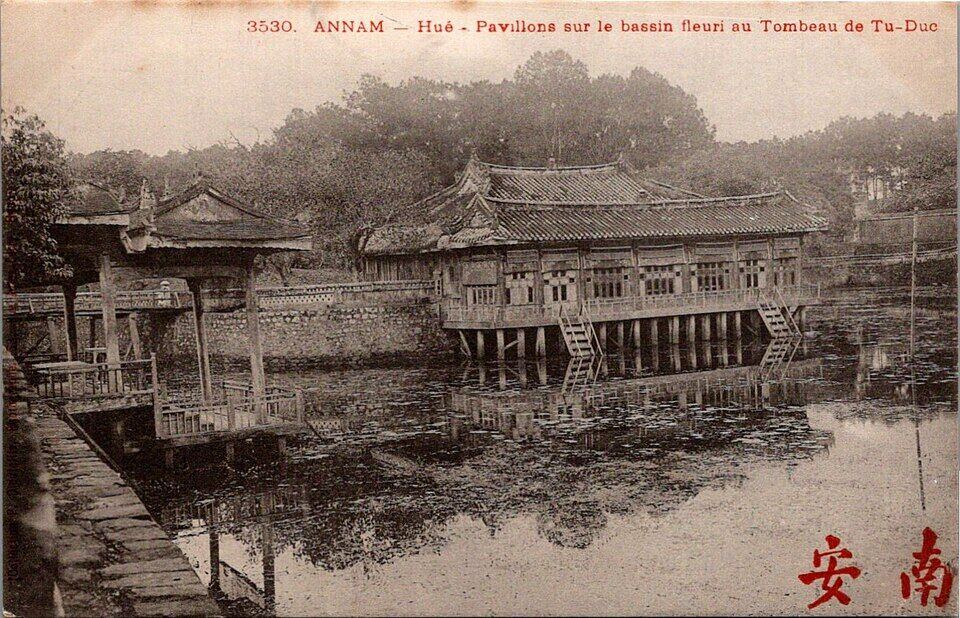
Lăng Tự Đức (Khiêm Lăng) is located on Vạn Niên hill in Thuỷ Xuân ward, 8 km southwest of Huế city center. It was built from 1864 to 1867 during the reign of Emperor Tự Đức (1848 – 1883) — the longest-reigning Nguyễn Dynasty emperor (35 years), who was passionate about poetry and architecture. Unlike other imperial tombs, Tự Đức designed his own tomb and came here to rest and compose poetry even while alive. The 12 ha complex comprises about 50 structures divided into two areas: the tẩm điện area (where the emperor rested) with Hoà Khiêm Palace, Lương Khiêm Palace, Xung Khiêm tạ, and Du Khiêm tạ by Lưu Khiêm Lake; and the tomb area with Bi đình, which contains a 5,000-character stele inscription written by the emperor himself — the longest stele inscription in Vietnam. The landscape of ancient pine forests and a poetic lotus lake — considered by many to be the most beautiful Nguyễn Dynasty tomb.
Things to do: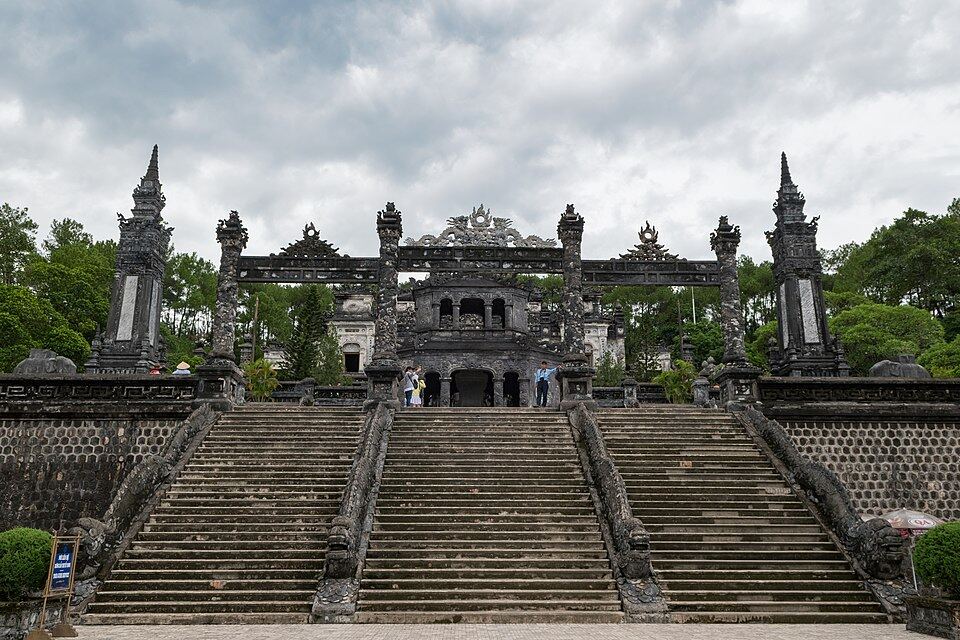
Lăng Khải Định (Ứng Lăng) is located on Châu Chữ mountain in Thuỷ Bằng ward, 10 km southwest of Huế city center. Built from 1920 to 1931—spanning 11 years under the reigns of Khải Định and Bảo Đại—this was the last and most expensive tomb built during the Nguyễn dynasty (costing 8% of the national budget at the time). Completely different from previous tombs, Lăng Khải Định boldly combines East Asian and European styles: iron, cement, glazed tiles, and especially the technique of mosaic with ceramic, glass, and broken pottery on the ceilings and walls. The centerpiece is Khải Thành Palace, featuring a 1.6 m tall bronze statue of Emperor Khải Định cast by three Frenchmen, placed above his actual remains. The palace ceiling depicts 'Cửu long ẩn vân' (9 dragons hidden in clouds) using a vacuum painting technique that was once recognized by Guinness for its size.
Things to do: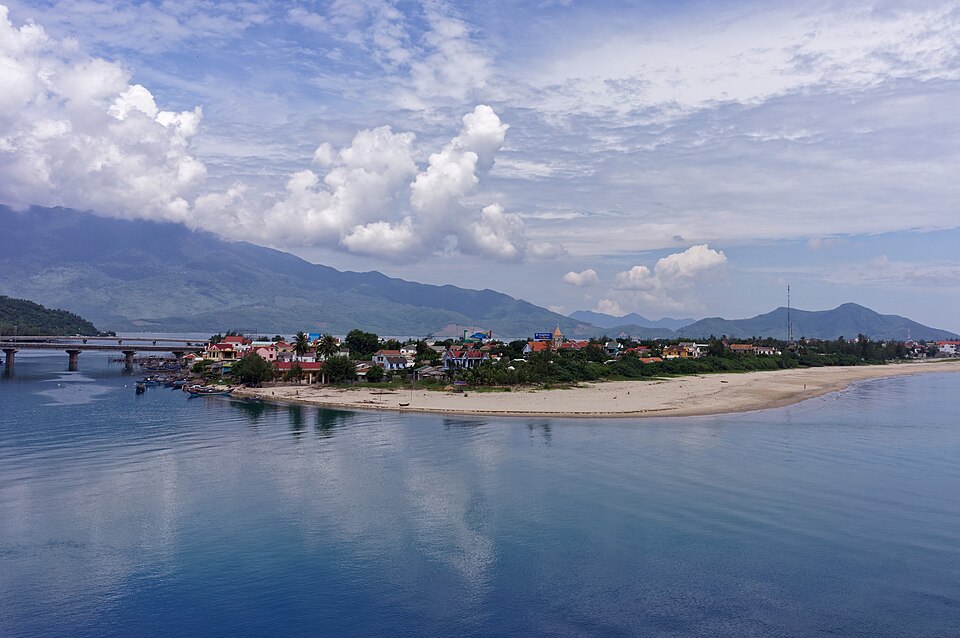
Lăng Cô Bay is located in Lăng Cô town, Phú Lộc district, 65 km south of Huế city center—adjacent to Hải Vân Pass bordering Đà Nẵng. The bay was admitted to the 'Club of the Most Beautiful Bays in the World' by the Worldbays Club in 2009—a prestigious title that Vietnam has 3 representatives for (along with Hạ Long Bay, Nha Trang Bay). Lăng Cô possesses rare beauty: on one side, a 10 km long blue sea; on the other, Lập An lagoon—a 1,500 ha brackish water lagoon famous for oyster farming; in the middle, the majestic Bạch Mã mountain range; and to the south, Hải Vân Pass—'the most magnificent pass under heaven'. The Lăng Cô area is home to many 5-star resorts: Banyan Tree, Angsana, Vedana Lagoon. A famous specialty is Lăng Cô milk oysters—eaten raw with mustard, grilled with spring onion oil, or cooked in porridge.
Things to do: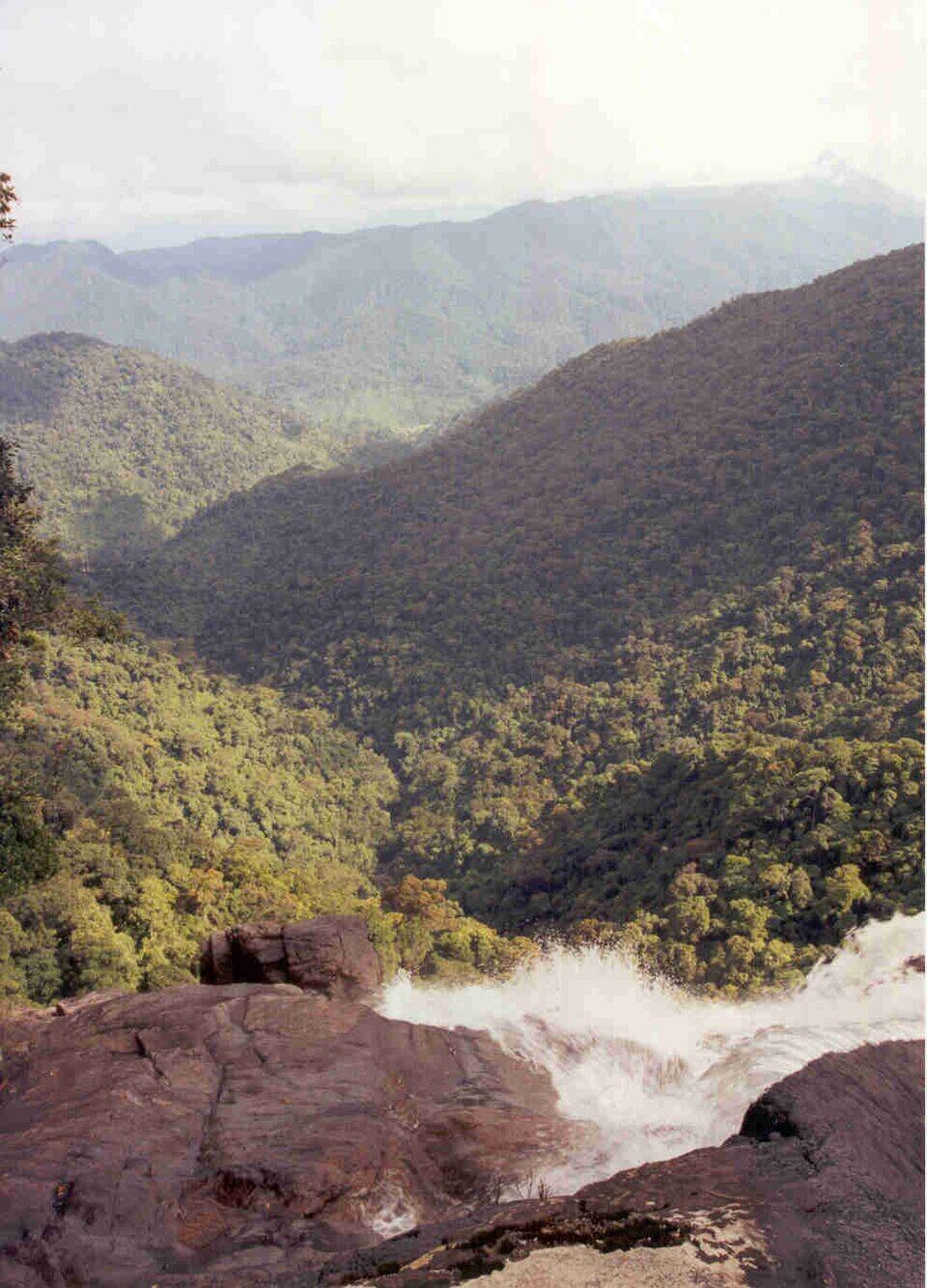
Bạch Mã National Park is located on the Trường Sơn mountain range, spanning Phú Lộc, Nam Đông, and Phú Vang districts — 40 km south of Huế city center. The park covers 37,487 ha with Bạch Mã peak reaching 1,450 m, making it one of Vietnam's most biodiverse regions: 1,715 plant species and 894 animal species have been recorded, including saola, red-shanked douc langur, and crested argus pheasant. The French began developing Bạch Mã in 1932, building 139 resort villas on the mountaintop — currently, only traces of a few villas remain, and some have been restored as hotels. Bạch Mã's climate is unique: 30°C at the foot of the mountain but only 18 – 22°C at the peak year-round, with thick fog similar to Đà Lạt. There is a trekking route 'Đường mòn Hải Vọng Đài' to the summit for panoramic views of the East Sea and Cầu Hai Lagoon; Đỗ Quyên waterfall is 300 m high within the park's core.
Things to do: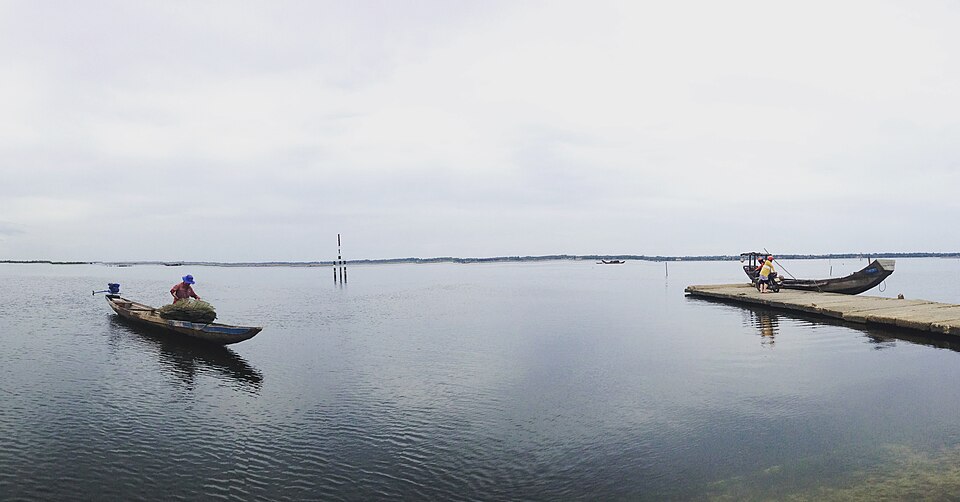
Phá Tam Giang is the common name for the brackish lagoon system stretching 68 km through Phong Điền, Quảng Điền, Hương Trà, Phú Vang, and Phú Lộc districts — with a total area of 22,000 ha. This is the largest brackish lagoon system in Southeast Asia, comprising Phá Tam Giang, Đầm Sam, Đầm Hà Trung, Đầm Thủy Tú, and Đầm Cầu Hai. The lagoon creates a unique ecosystem: inside are brackish waters with mangrove forests, and traditional fishing methods (rớ chữ) used by fishermen create a unique landscape; outside are long, thin sand dunes separating it from the East Sea. Sunsets over Phá Tam Giang are a classic photography subject — the silhouettes of fishermen pushing bamboo boats amidst the rớ chữ against an orange-red sky. Lagoon specialties include bánh khoái cá kình, cá dìa, oysters, crabs, and ghẹ phá. Tourists can take boat tours and stay overnight at Cồn Tè or Vĩnh Tu fishing village.
Things to do:No. Huế will become a centrally-governed city from January 1, 2025, according to Resolution 175/2024/QH15 — based on the full transfer of Thừa Thiên Huế province. After that, Huế will NOT be further merged by Resolution 202/2025/QH15 on the arrangement of provincial-level administrative units.
Huế is the 6th centrally-governed city of Vietnam, after Hà Nội, TP.HCM, Hải Phòng, Đà Nẵng, and Cần Thơ. Effective from January 1, 2025.
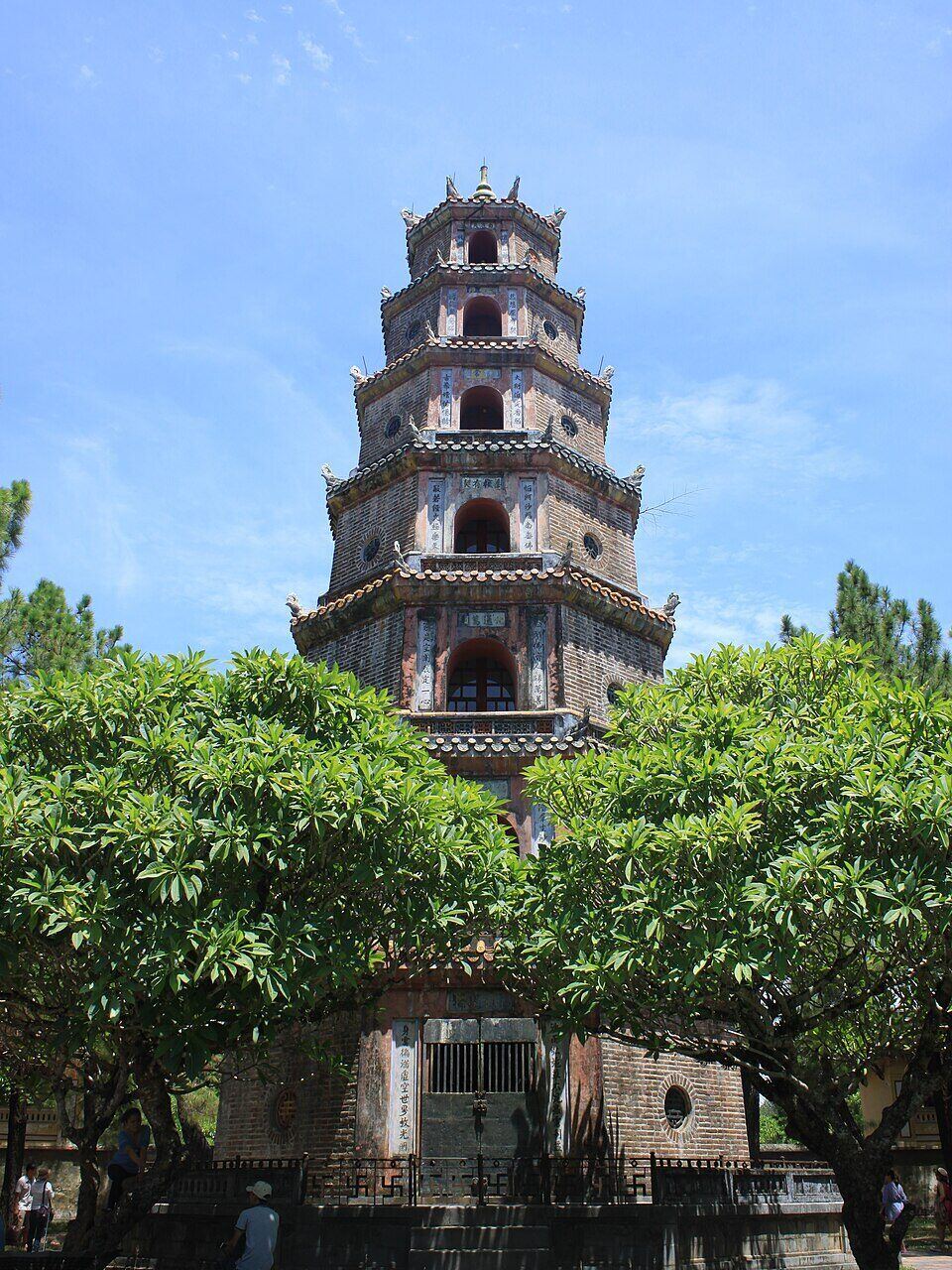
The complex was recognized by UNESCO as a World Cultural Heritage site in 1993, including: Kinh thành – Hoàng thành – Tử Cấm Thành, a system of 7 royal tombs (Gia Long, Minh Mạng, Thiệu Trị, Tự Đức, Đồng Khánh, Khải Định, Bảo Đại), Đàn Nam Giao, Hổ Quyền – Voi Ré, chùa Thiên Mụ, and many other structures.
Approximately 660 km. By plane, 1h10 to Phú Bài airport (fastest). By train (SE), 13 – 15 hours. By car via National Highway 1A and Cao Bồ – Cam Lộ expressway, about 11 – 12 hours.
Approximately 100 km. Through Hải Vân tunnel by car, about 2 hours. Over Hải Vân Pass (for sightseeing), about 2h30. By train, 2h30 with Vietnam's most beautiful scenery — hugging Hải Vân Pass, viewing Lăng Cô Bay from above.
Festival Huế is organized every 2 years (even years), usually from April to June. This is Vietnam's largest international cultural and artistic event — gathering art troupes from 30 – 40 countries to perform at the Imperial City's relics, Hương River, and Lê Lợi street.