Thanh Hoá Province
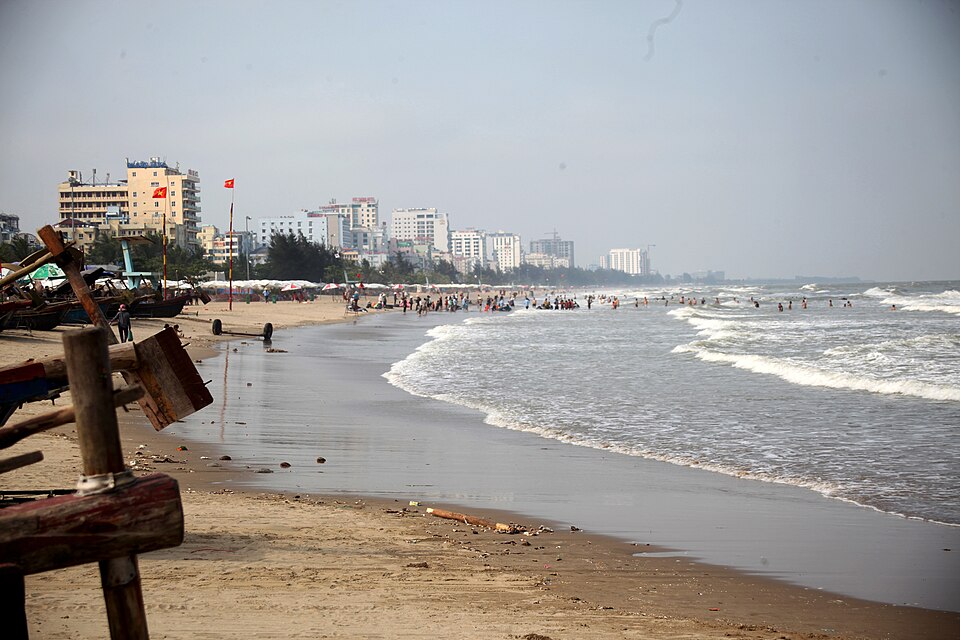
Thanh Hóa region — Sầm Sơn beach, Thành nhà Hồ heritage site, and Pù Luông forest
Central Vietnam · North Central Coast
Thanh Hóa region — Sầm Sơn beach, Thành nhà Hồ heritage site, and Pù Luông forest
Central Vietnam · North Central Coast
Thanh Hoá province will retain its boundaries after the 2025 merger, not merging with any other province according to Resolution 202/2025/QH15. With an area of 11,114.71 km² and a population of 4,324,783 people, Thanh Hoá is the third most populous province in the country. This is a land of 'outstanding people and sacred land' in the North Central Coast — the birthplace of many dynasties and national heroes: Tiền Lê, Hậu Lê, Hồ Quý Ly, Trịnh – Nguyễn. Tourism in Thanh Hoá is diverse and rich in value: from the famous Sầm Sơn beach in the North, the lush primeval forest of Pù Luông, to Thành nhà Hồ — a UNESCO World Cultural Heritage site — and Lam Kinh, the homeland of King Lê Lợi. Mường and Thái people living in the western mountainous districts preserve rich indigenous culture.
Sầm Sơn is the most famous beach in the North, developed by the French as a resort in the early 20th century. The fine, pale yellow sand stretches for about 6 km, with moderate waves and clear blue water — suitable for families and large groups. Sầm Sơn is also famous for Hòn Trống Mái — two rock formations shaped like a rooster and a hen standing next to each other on top of Sầm Sơn, associated with the legend of a fisherman couple's love. In summer (May–August), Sầm Sơn is packed with tourists from the North; outside of this season, the beach is quiet and peaceful — suitable for a relaxing getaway.
Things to do: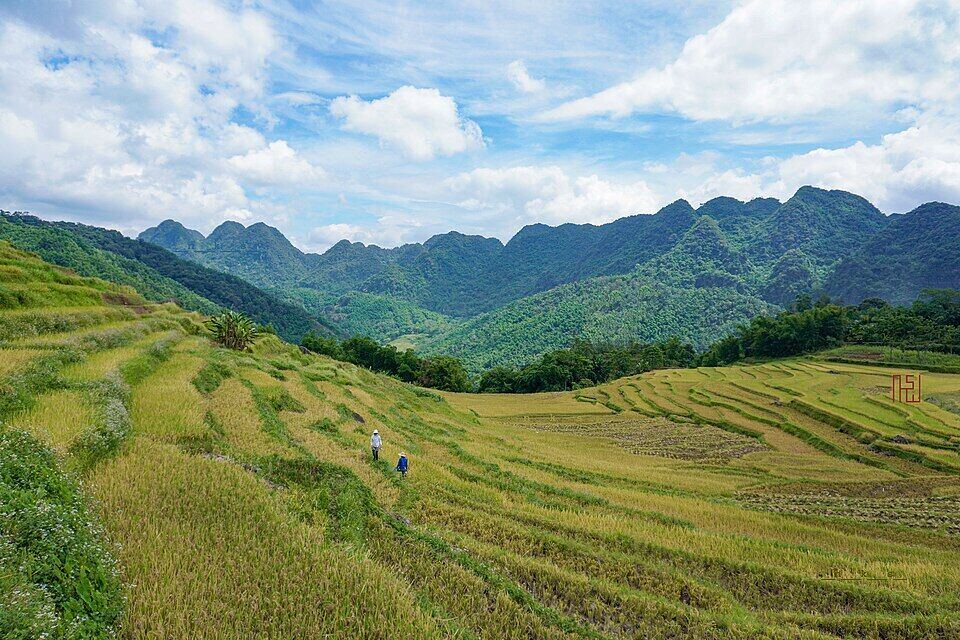
Pù Luông Nature Reserve is located in the Bá Thước and Quan Hoá districts in the Northwest of Thanh Hoá, established in 1999 with an area of 17,662 ha. 'Pù Luông' in Thái language means 'big mountain'. This is a famous eco-tourism destination with terraced fields stretching across valleys, Thái and Mường villages that still retain their traditional way of life, and primary forests rich in flora and fauna. During the ripe rice season (late May – early June or late September – early October), Pù Luông's hillsides are covered in gold — the most beautiful moment of the year.
Things to do: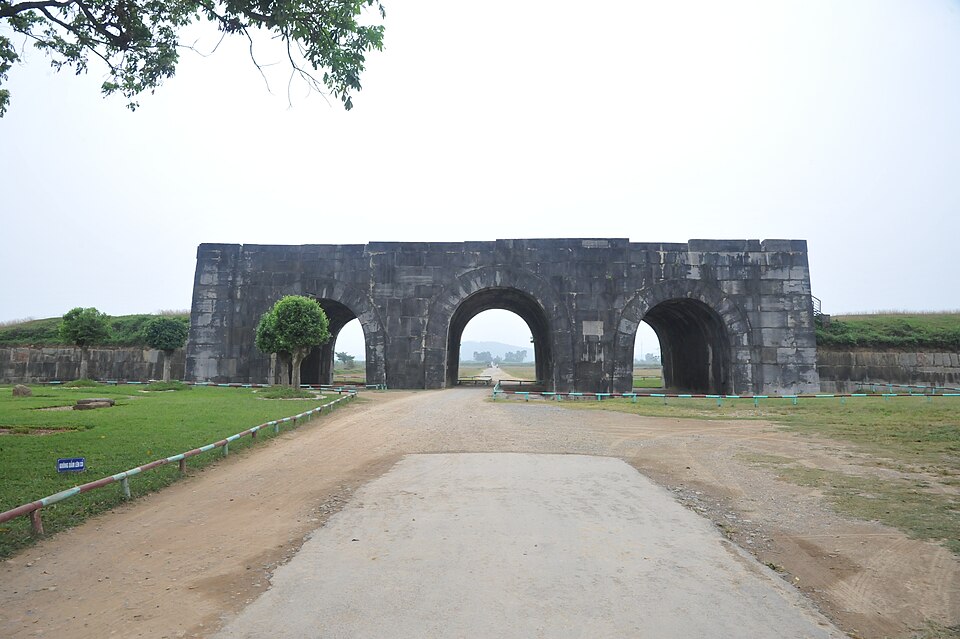
Thành nhà Hồ (Tây Đô) is located in Vĩnh Long commune, Vĩnh Lộc region. It was built by Hồ Quý Ly in 1397 under the Trần dynasty in preparation for moving the capital. In 1400, Hồ Quý Ly established the nhà Hồ dynasty — one of the shortest dynasties in Vietnamese history (only 7 years). Notably, the citadel was built entirely with large stone blocks weighing from 10 to 26 tons, fitted tightly together without mortar — a construction technique that remains a mystery to this day. The four arched gates of Đông, Tây, Nam, and Bắc are still intact. In 2011, UNESCO recognized Thành nhà Hồ as a World Cultural Heritage site — one of the rare remaining stone citadels in Southeast Asia.
Things to do: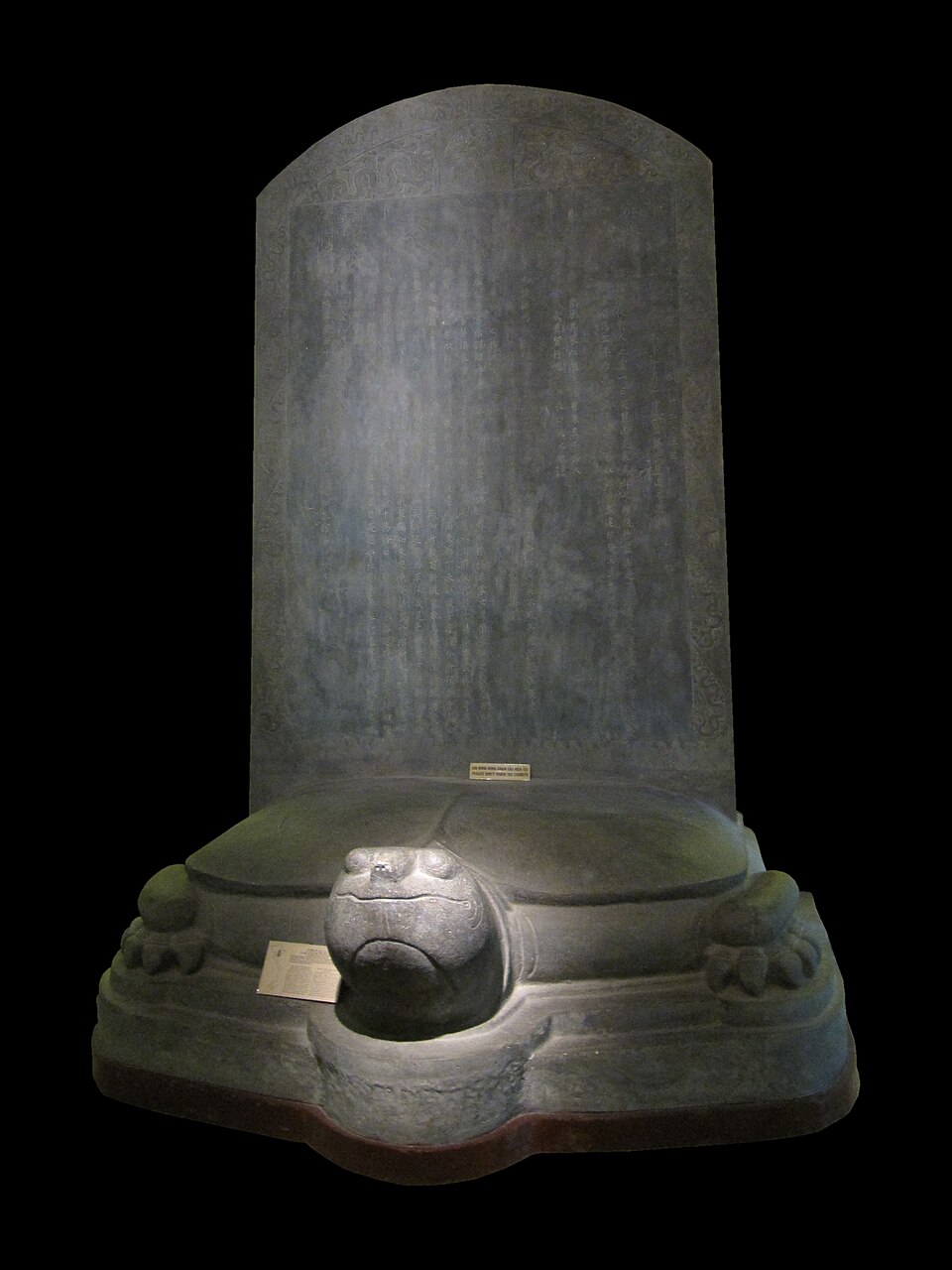
The Lam Kinh historical site is located in Thọ Xuân region, the homeland of Lê Lợi — the hero who liberated the nation from Minh domination and established the early Lê dynasty in 1428. After ascending the throne, Lê Lợi and subsequent Lê kings chose Lam Kinh as their 'sơn lăng' — a place to bury and worship Lê kings and queens. The historical site covers about 200 ha, including Điện Lam Kinh, the tombs of Lê Thái Tổ, Lê Thái Tông, Lê Thánh Tông, and many ancient steles. Ancient trees, lotus ponds, and stone bridges create a solemn spiritual space — especially during the Lam Kinh festival (22/8 lunar calendar annually).
Things to do: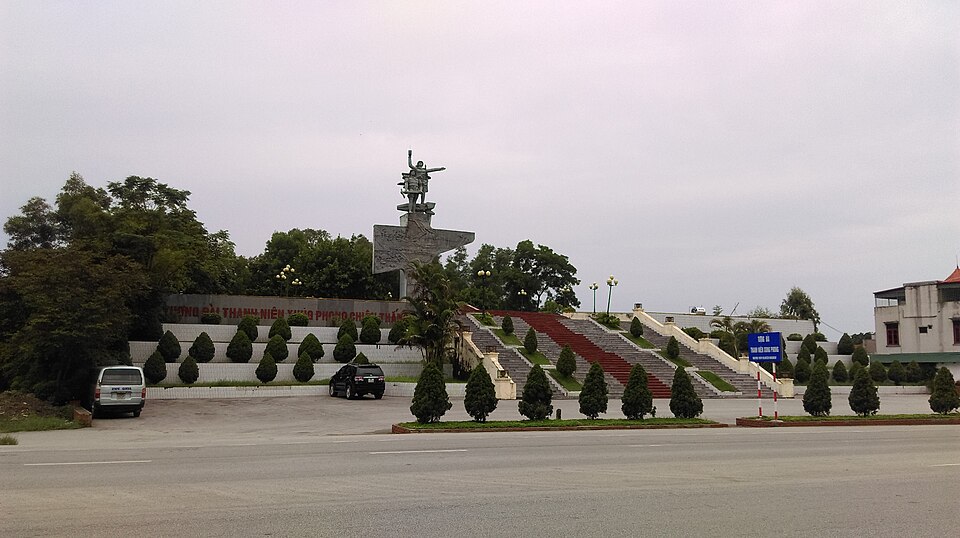
Hàm Rồng Bridge, spanning the Mã River right at the gateway to Thanh Hóa city, is a legendary steel bridge from the American War. Between 1965 and 1972, the US attacked this bridge hundreds of times with thousands of bombs, but the bridge stood firm — becoming a symbol of Vietnamese will. The Hàm Rồng area is also a scenic spot with Rồng Mountain (Long Lĩnh) shaped like a dragon reaching out to the river, Hàm Rồng field, and Long Quang Cave. This is a meeting point of history and nature characteristic of Thanh Hóa city.
Things to do: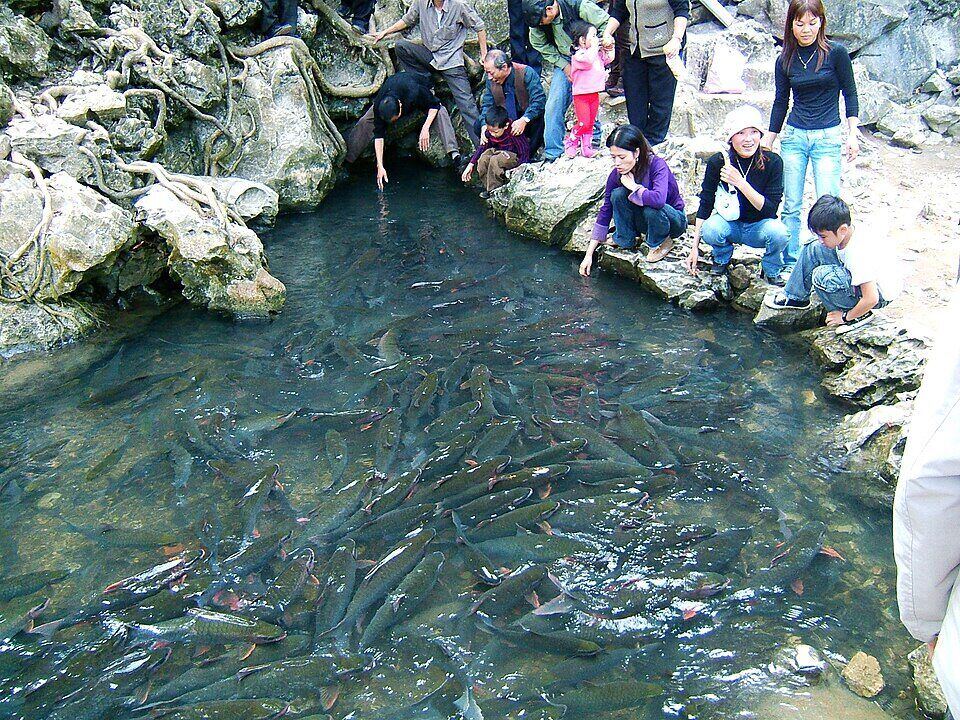
Cẩm Lương 'divine fish' stream in Cẩm Lương commune, Cẩm Thủy region, is a fascinating natural phenomenon: in a small stream only about 100 m long, thousands of 'divine' fish swim — the fish have shimmering scales and can weigh up to 5–7 kg. Notably, the school of fish is not afraid of people and never leaves the stream, even during floods. Local Mường people consider these 'divine fish' and no one dares to catch them — if caught, bad luck will follow. The stream flows from a cave in the mountain, with clear, cool water year-round. This area also has Cây Đăng Cave and a Mường village to explore.
Things to do:Thanh Hoá province retains its boundaries and will not merge with any other province. With an area of 11,114.71 km² and a population of 4,324,783 people, it is the third most populous province in the country. The administrative center remains in Thanh Hoá city.
Via the Pháp Vân – Cao Bồ – Mai Sơn – Thanh Hoá expressway, it takes about 3 – 3.5 hours by car (~180 km). Via the old National Route 1, it takes about 4 hours.
Pù Luông, located in Thanh Hoá, features primary forests, Thái – Mường ethnic groups, and spectacular terraced fields. Mai Châu (now in Phú Thọ) is purely a valley with the famous bản Lác. The two points are about 40 km apart and can be combined.
License plate prefix 36, phone area code 0237. Documents issued before the merger remain valid.
May–August: swimming at Sầm Sơn beach. Late May or September–October: ripe rice season in Pù Luông. September–April: visiting historical sites like Thành nhà Hồ and Lam Kinh.
Yes. A popular 3-day itinerary is: Hà Nội – Sầm Sơn – Thành nhà Hồ – Lam Kinh – Pù Luông – Hà Nội. Each destination offers unique features: beach, history, ecology.