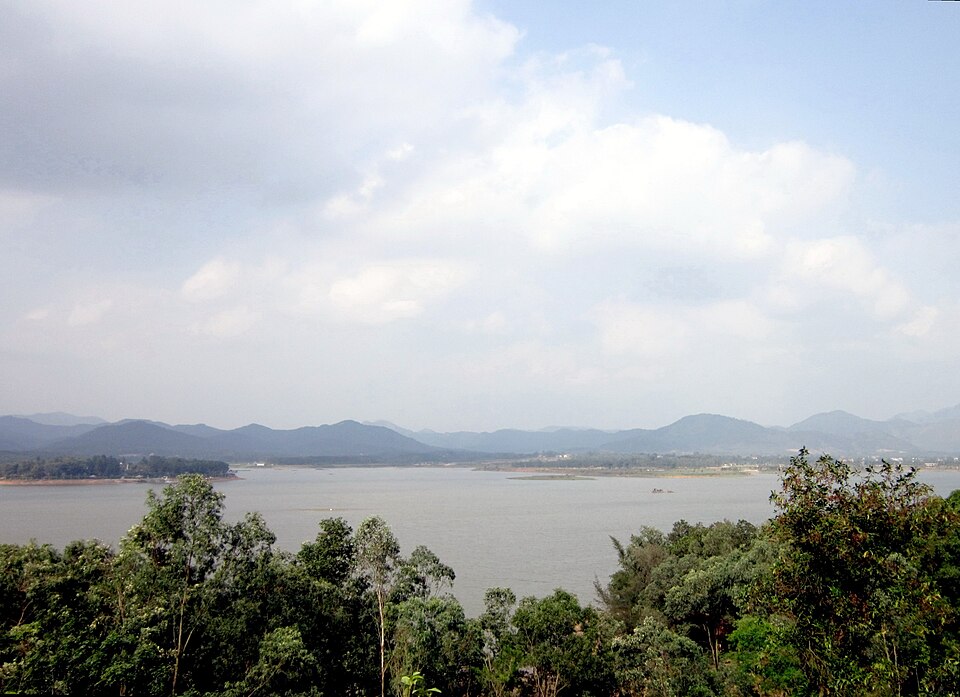
Phú Thọ Province
Ancestral Land of the Hùng Kings — from Đền Hùng to Tam Đảo and Mai Châu
Northern Vietnam · Northern Midlands and Mountainous region
Ancestral Land of the Hùng Kings — from Đền Hùng to Tam Đảo and Mai Châu
Northern Vietnam · Northern Midlands and Mountainous region
Phú Thọ province was newly formed by the merger of three provinces: Phú Thọ, Vĩnh Phúc, and Hoà Bình, according to Resolution 202/2025/QH15, officially operating from July 1, 2025. With an area of 9,361.38 km² (ranking 15th nationwide) and a population of over 4 million people, it is one of the most populous provinces in the Northern mountainous region. This merged land combines three distinct identities: Phú Thọ — the ancestral land of the Hùng Kings with the sacred Đền Hùng historical site, where the Hùng Kings who founded the nation are worshipped; Vĩnh Phúc — a dynamic industrial region with the Tam Đảo resort town at an altitude of 900 m and Trúc Lâm Tây Thiên Zen Monastery; Hoà Bình — with its ancient Mường culture, the 8,000 ha Hoà Bình lake, and the poetic Mai Châu village. The administrative center is located in Việt Trì city.
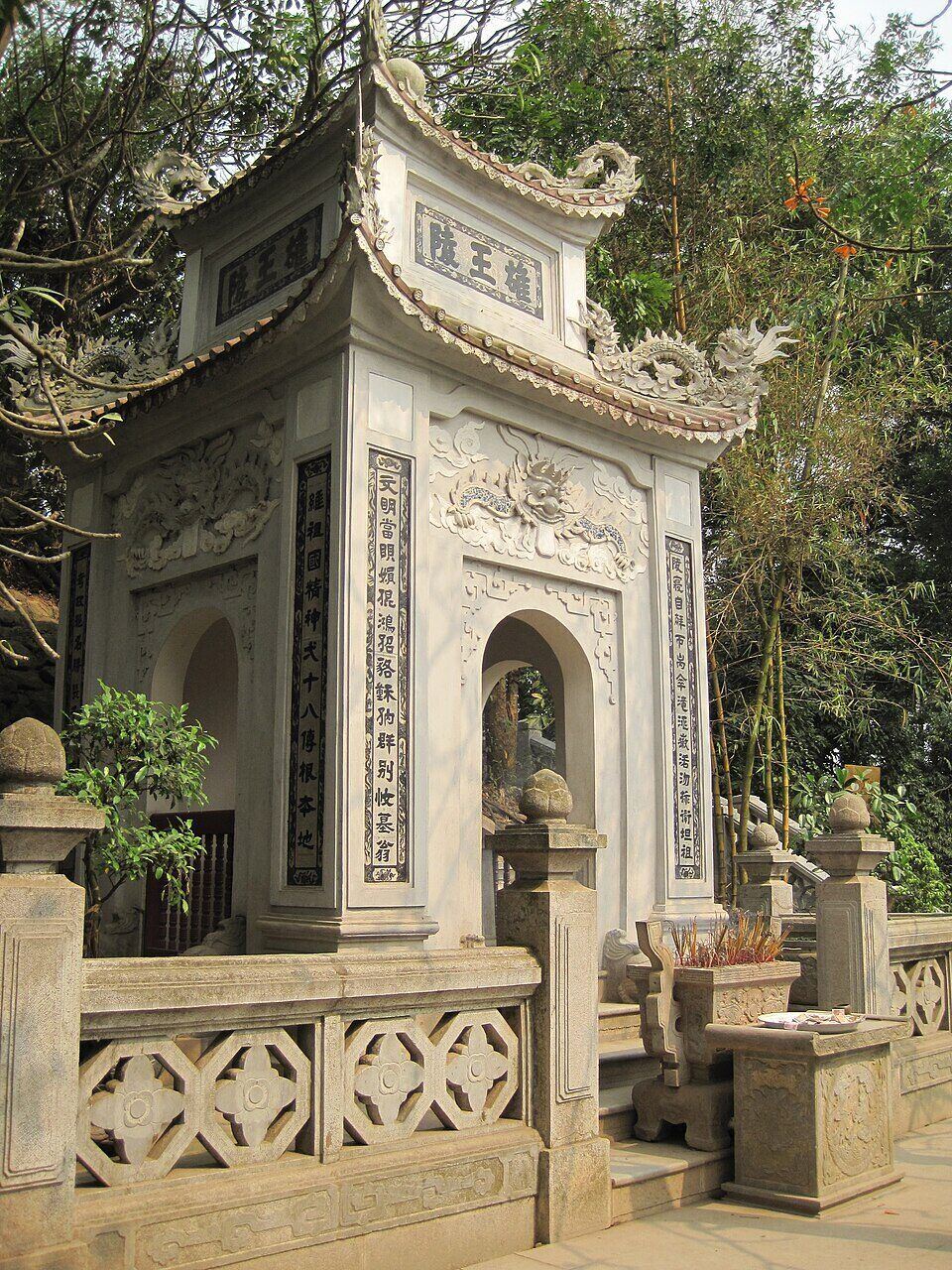
The Hùng Temple historical relic site is located on Nghĩa Lĩnh mountain in Hy Cương commune, Việt Trì city — about 90 km northwest of Hà Nội. This is where the Hung Kings, who founded the Văn Lang nation, are worshipped. It was recognized as a Special National Relic in 2009. The complex consists of four main temples along an axis from low to high: Đền Hạ, Đền Trung, Đền Thượng, and Lăng Hùng Vương, along with Đền Giếng behind them. Visitors climb 538 stone steps to reach the mountaintop, surrounded by ancient old-growth forest hundreds of years old. Giỗ Tổ Hùng Vương on the 10th day of the 3rd lunar month annually is a National Holiday — attracting millions of people to offer incense to their ancestors. 'The Worship of Hùng Vương' was recognized by UNESCO as a Representative Intangible Cultural Heritage of Humanity in 2012.
Things to do: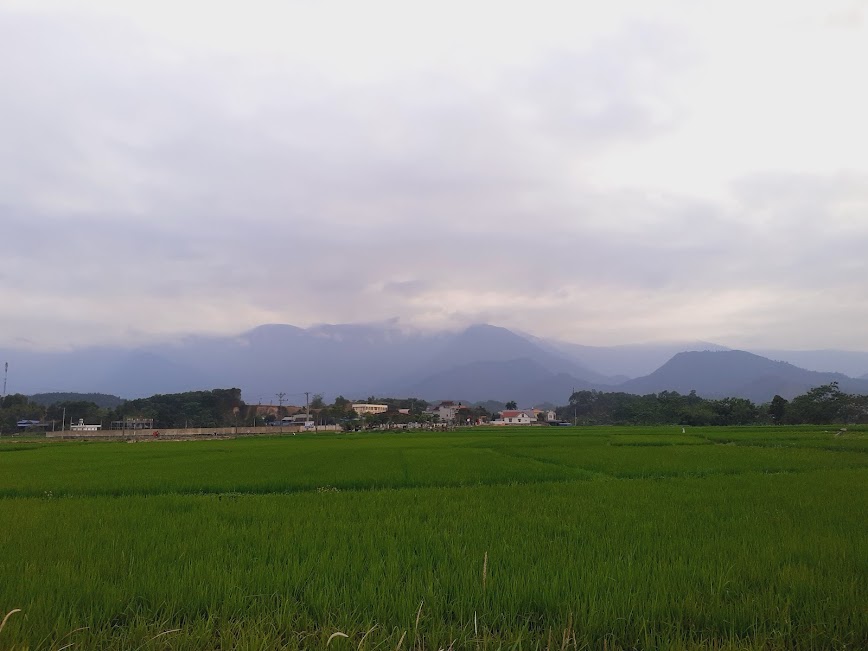
Tam Đảo town is located on the Tam Đảo mountain range at an altitude of about 900 m above sea level, about 80 km from Hà Nội. Discovered and built by the French in the early 20th century as a summer resort, Tam Đảo still maintains a cool climate all year round — temperatures are about 7°C lower than the delta. Tam Đảo is characterized by dense fog, clouds drifting through the streets, and a mountainous landscape covering the tops of the three peaks. Visitors can climb the Television Tower, visit the ancient French-style Stone Church, and eat red-faced chicken hotpot and Tam Đảo chayote. At night, the town sparkles in the mist — a very suitable atmosphere for couples and families.
Things to do: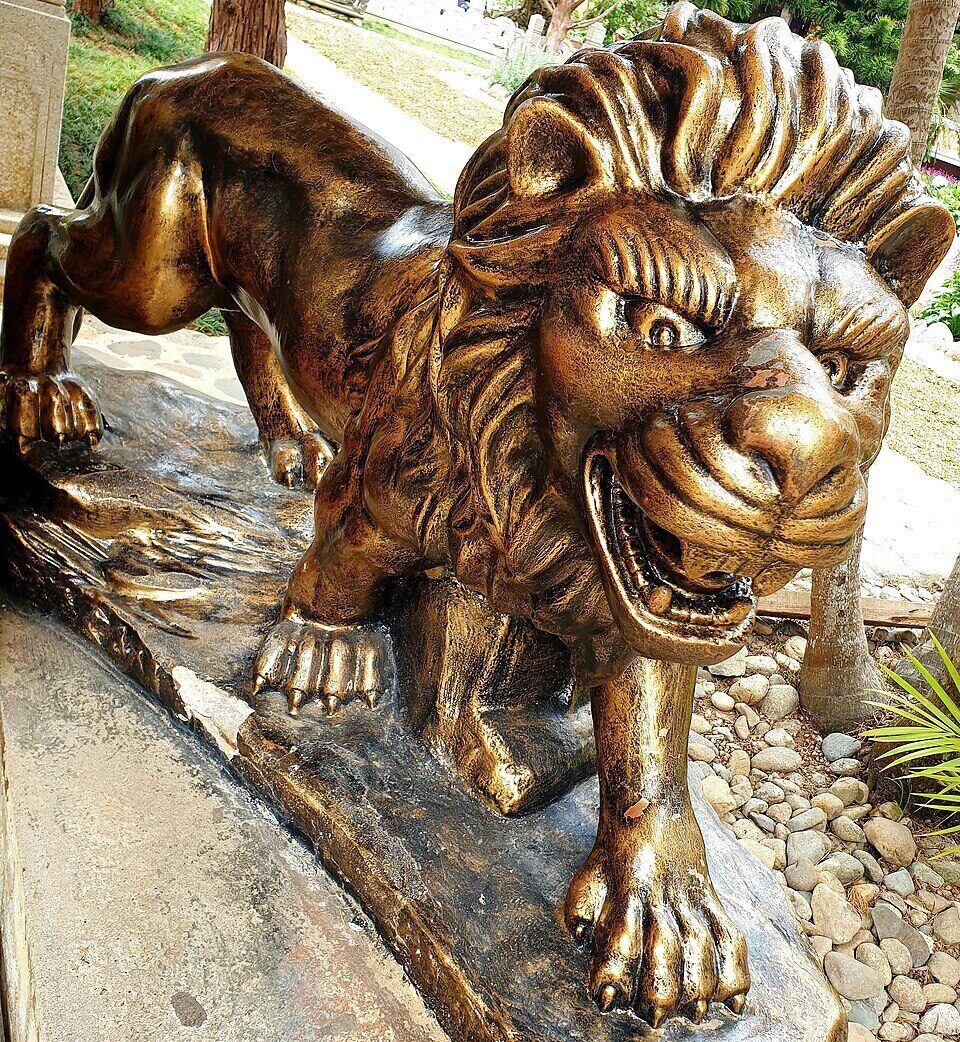
Trúc Lâm Tây Thiên Zen Monastery is located in Đại Đình commune, Tam Đảo region (former Vĩnh Phúc), about 85 km from Hanoi. Inaugurated in 2005, the monastery is one of the three largest Zen monasteries in Vietnam belonging to the Trúc Lâm Yên Tử Zen sect founded by Emperor Trần Nhân Tông. The complex is situated on the slopes of Tam Đảo mountain at an altitude of nearly 300 m, comprising Đại Hùng Bảo Điện, a bell tower, a drum tower, and the ancestral hall — a majestic architectural ensemble amidst a pine forest. The nearby Tây Thiên area also features the Quốc Mẫu Tây Thiên Temple dedicated to Quốc Mẫu Lăng Thị Tiêu, considered one of the most important spiritual relic sites in the Northern Delta region — associated with the legend of her helping King Hùng fight invaders.
Things to do: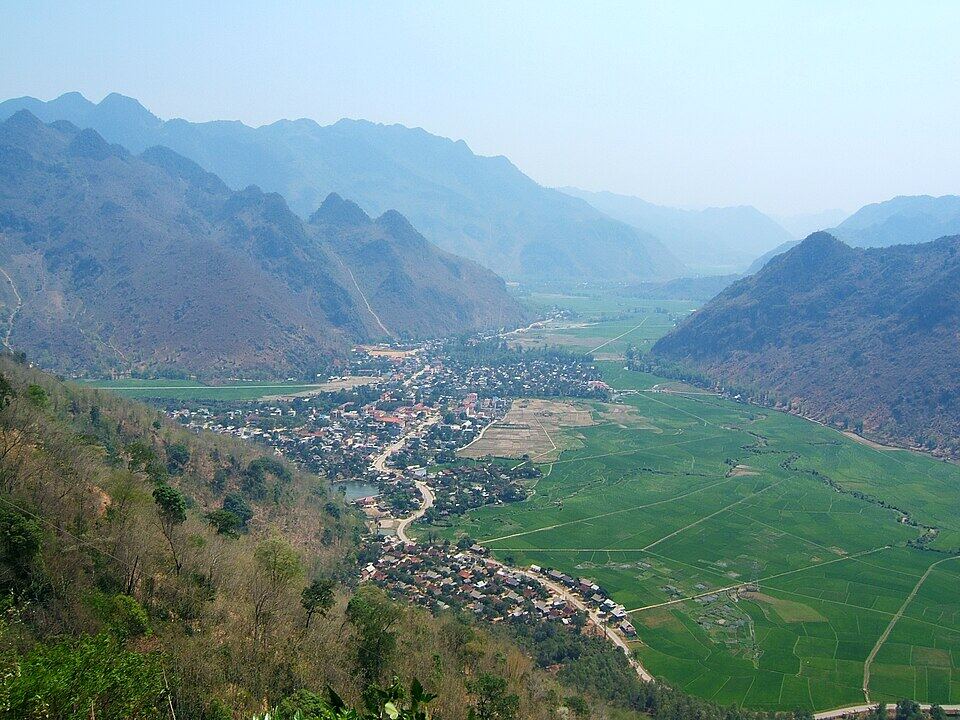
Bản Lác is located in Mai Châu town (former Hoà Bình region), about 140 km southwest of Hanoi. This is a White Thai village with a history of over 700 years — one of Vietnam's first and most famous community tourism destinations. The village is nestled in a valley surrounded by mountains and forests, with over 100 traditional stilt houses with thatched roofs and wooden floors; below are lush green rice fields during planting season and golden yellow during harvest season. Visitors can stay in stilt house homestays, eat cơm lam, grilled chicken, stream fish, drink rượu cần, and enjoy the xòe and sạp dances of the Thai people. Mai Châu is also an ideal starting point for trekking trips to nearby Pù Luông.
Things to do: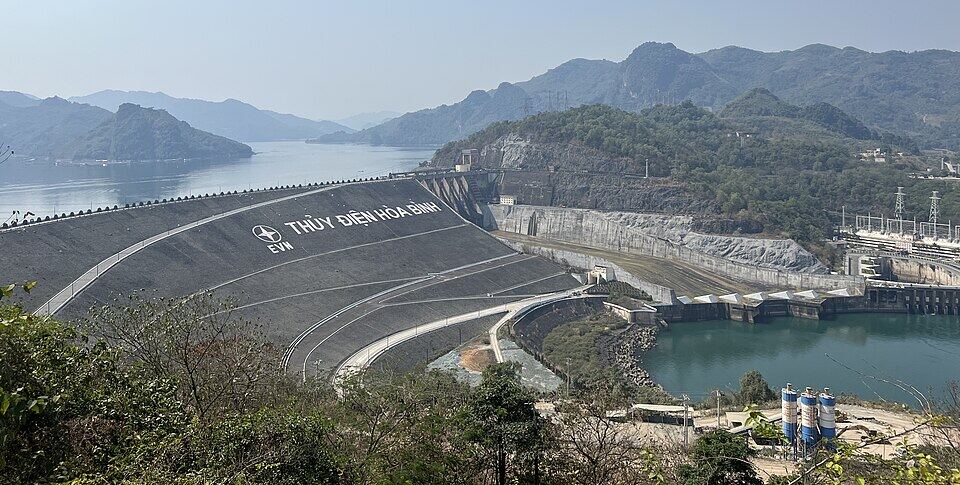
Hoa Binh Lake was formed after the Hoa Binh Hydropower Plant began impounding water in 1989, and is one of the largest artificial lakes in Southeast Asia. The lake surface area is about 8,000 ha, stretching over 200 km along the former Da River bed, with hundreds of large and small islands covered with green forests — which many people compare to 'Ha Long Bay on mountains'. Visitors can take a boat trip on the lake to admire the scenery, visit Dao Sung, Dao Dua, and the Muong villages along the lake. The Hoa Binh Hydropower Dam is 128 m high, a century-defining project of Vietnam — visitors can tour the diversion tunnel and the monument to Soviet experts. In autumn and winter, the calm lake surface and fog create a very impressive landscape.
Things to do:
Kim Boi mineral spring is located in Ha Bi commune, Kim Boi area (Hoa Binh (former)), about 80 km from Hanoi. The mineral water source naturally spouts from underground with a stable temperature of about 36°C year-round, containing many minerals beneficial for health. Local Muong people have long known how to use this water for bathing to treat bone and joint diseases and skin conditions. Currently, the area has many resorts and spas that combine mineral bathing — suitable for families and middle-aged people. Visitors can combine mineral bathing with visiting nearby Muong villages, eating com lam, Muong pork, and buying forest honey as gifts.
Things to do:The new Phú Thọ province was merged from three provinces: Phú Thọ, Vĩnh Phúc, and Hoà Bình, according to Resolution 202/2025/QH15, effective from 01/7/2025.
In Việt Trì city — the center of the former Phú Thọ province. The new province has an area of 9,361.38 km² (ranking 15th nationwide) and a population of 4,022,638 people.
The new Phú Thọ uses license plate prefixes 19 (former Phú Thọ), 88 (former Vĩnh Phúc), and 28 (former Hoà Bình); telephone area codes 0210, 0211, and 0218. Documents issued before 01/7/2025 remain valid.
After the merger, the entire Đền Hùng historical relic complex is located in Việt Trì city, belonging to the new Phú Thọ province. Its location and the Giỗ Tổ festival on the 10th day of the 3rd lunar month remain unchanged.
Yes. Tam Đảo (former Vĩnh Phúc), Mai Châu (former Hoà Bình), and Đền Hùng (former Phú Thọ) all now belong to the new Phú Thọ province — a 3-day tour through these three points is entirely within the province.
Depends on the destination: Đền Hùng (Việt Trì) 1.5 hours via Nội Bài – Lào Cai Expressway; Tam Đảo 1.5 hours; Mai Châu 3 hours via National Route 6; Hoà Bình 2 hours via National Route 6.