Thái Nguyên Province
The tea capital of Vietnam — Tân Cương tea hill and historical ATK
Northern · Midlands and Mountains
The tea capital of Vietnam — Tân Cương tea hill and historical ATK
Northern · Midlands and Mountains
Thái Nguyên is a midland and mountainous province in the Northern Midlands and Mountains region, maintaining its administrative boundaries according to Resolution 202/2025/QH15 (no merger). With an area of 8,375.21 km² and a population of 1,799,489 people, Thái Nguyên is famous as the 'tea capital of Vietnam' — Tân Cương Thái Nguyên tea is considered the best tea in the country. The province plays a special historical role: An toàn khu (ATK) Định Hoá was the 'resistance capital' from 1947 – 1954 where President Hồ Chí Minh and the Central Party directed the resistance against the French. Hồ Núi Cốc — a 2,500 ha artificial lake with the legend of the love between Nàng Công and Chàng Cốc — is the largest tourist area in the province. Thái Nguyên is also home to the Khu gang thép Thái Nguyên (1963) — a symbol of industrialization in the North, and the Viện Bảo tàng Văn hoá các dân tộc Việt Nam — the largest ethnological museum in the North. It is 80 km from Hà Nội.
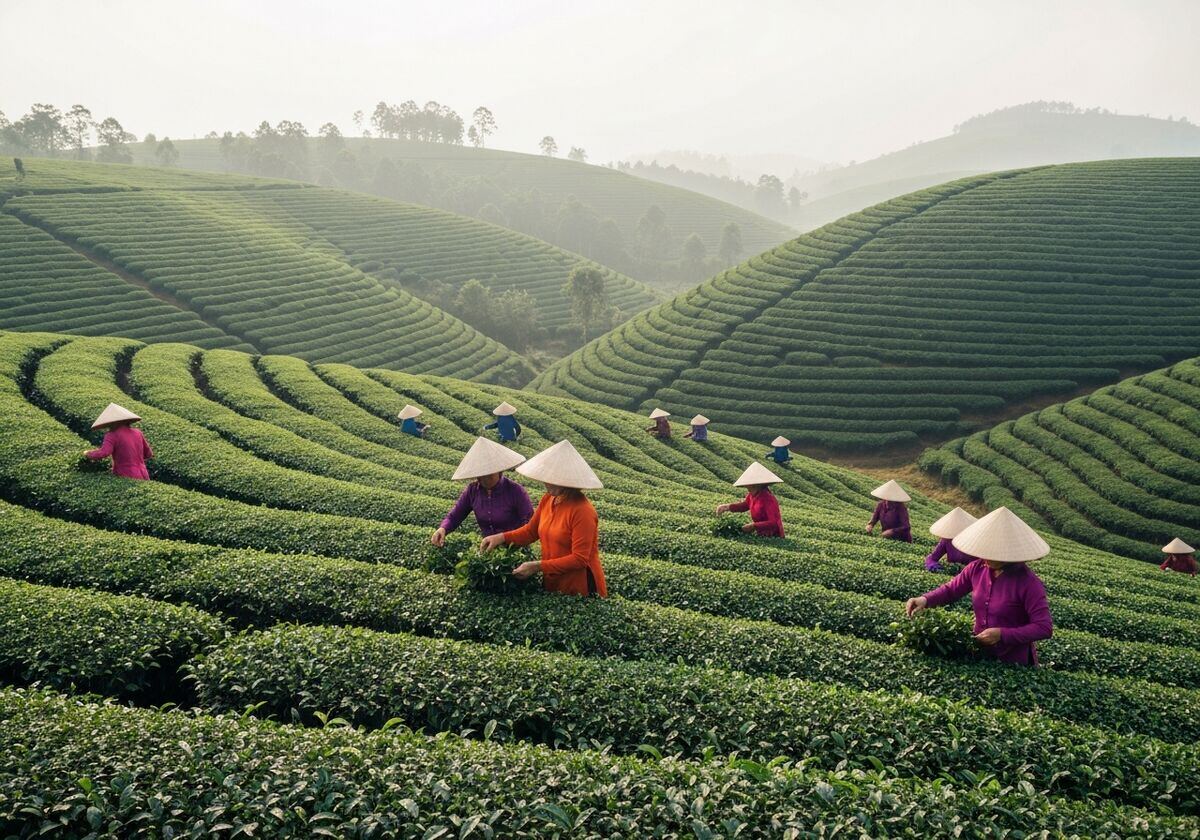
Tân Cương commune is located 12 km west of TP Thái Nguyên — it is the oldest and most famous tea growing region in Vietnam. Tân Cương Thái Nguyên tea is considered the best green tea in the country thanks to its special soil: red-yellow ferralite soil, cool climate, and morning mist. The tea region spans hundreds of hectares across gentle hills — the landscape of lush green tea hills interspersed with palm forests is very beautiful. Visitors can visit traditional tea-growing families, observe the process of picking — drying — roasting — rolling — sorting, and enjoy tea right at the workshop. Here, there is the Hợp tác xã chè Tân Cương and the Làng nghề chè Tân Cương, recognized as a National Intangible Cultural Heritage. The best tea picking season is from March to May (spring tea) when the young buds are lush green.
Things to do: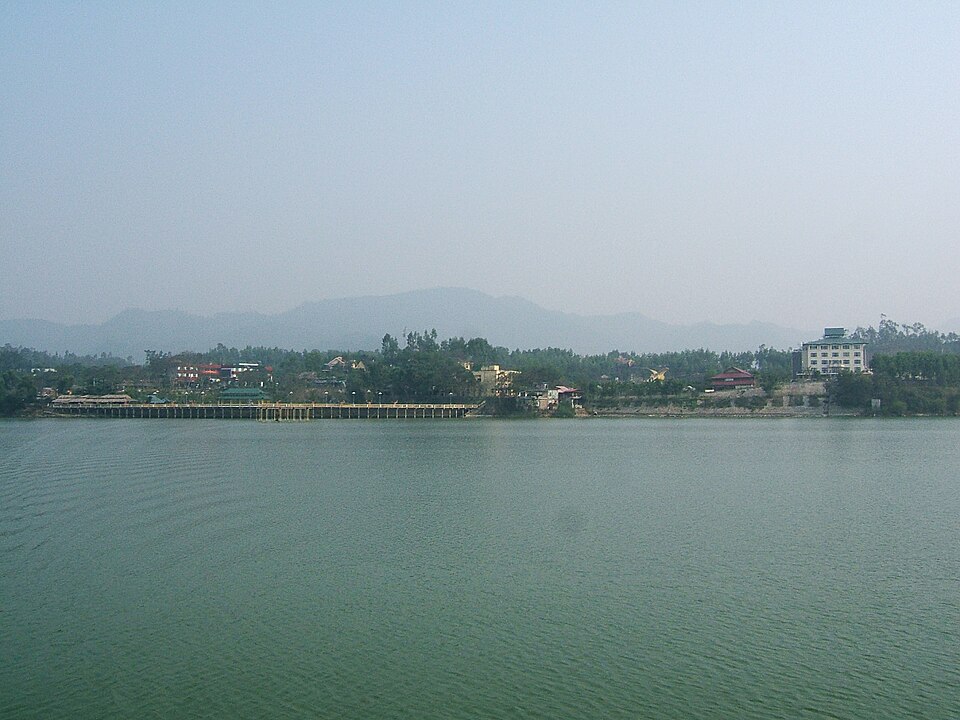
Hồ Núi Cốc is located in Đại Từ district, 16 km west of Thái Nguyên city. The lake was built in 1973 on the Công River, covering 2,500 ha of water with 89 large and small islands. The name 'Núi Cốc' is associated with a tragic legend: chàng Cốc loved nàng Công but they were separated, his tears formed the lake, and she transformed into a mountain. The Hồ Núi Cốc tourist area features a system of resorts, lakeside guesthouses, cruises, kayaking, and fishing. Núi Cốc Island has a temple dedicated to chàng Cốc and nàng Công. Nearby are the Wyndham Grand Flamingo Đại Lải tourist area (Vĩnh Phúc side) and the Phượng Hoàng ecological tourist area. The lake is most beautiful at dawn when mist covers the water and the islands emerge like a watercolor painting.
Things to do: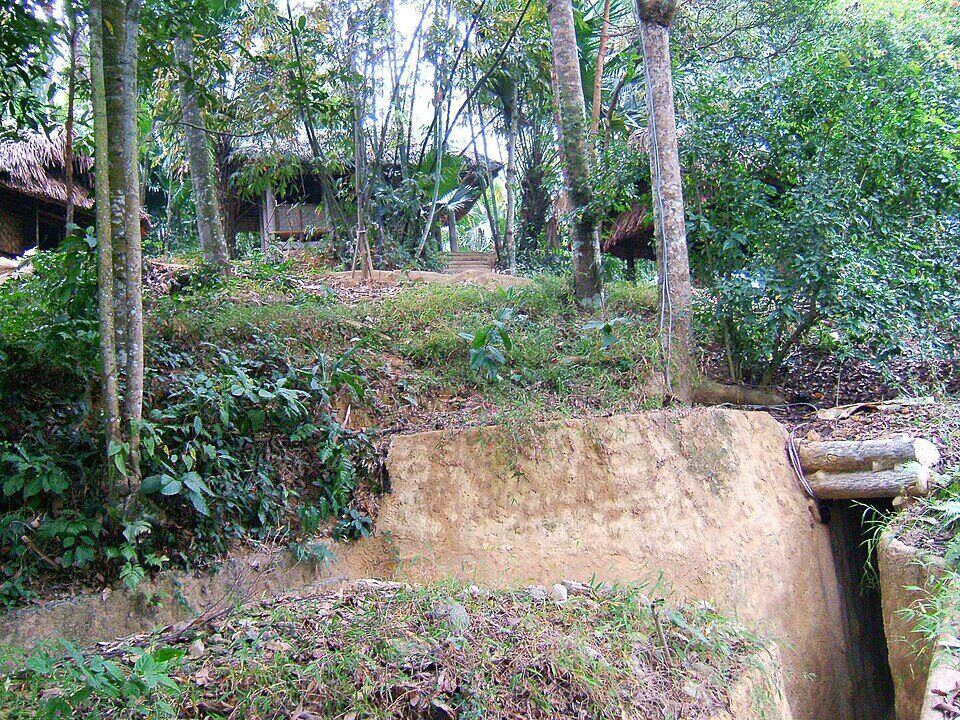
An toàn khu (ATK) Định Hoá is located in Định Hoá district, 50 km north of Thái Nguyên city. This was the 'resistance capital' from 1947 to 1954 — where President Hồ Chí Minh, the Party Central Committee, and the Government established their command centers for the resistance against the French, including the Điện Biên Phủ campaign in 1954. The Special National Relic complex spans 14 communes, including: Tỉn Keo shack (where Uncle Hồ held a Politburo meeting to decide on opening the Điện Biên Phủ campaign), Khau Tý hill (where Uncle Hồ lived and worked from 1947 – 1953), the Nhân Dân newspaper printing house, Voice of Vietnam radio station, and the Ministry of National Defense agency. Visitors can trek through old-growth forests and visit original wooden shacks amidst wild nature. ATK Định Hoá is called the 'Northern Trường Sơn' due to its immense historical role.
Things to do: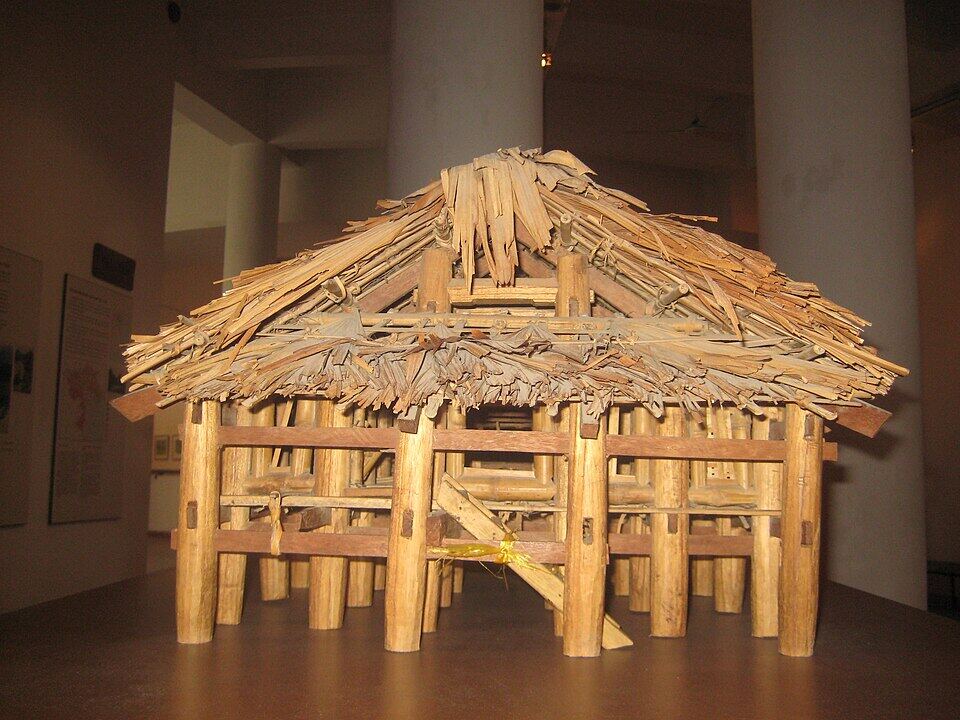
The Museum of Cultures of Vietnam's Ethnic Groups is located on Hoàng Văn Thụ street, Thái Nguyên city — it is the largest ethnology museum outside Hanoi. Established in 1960, the museum displays over 20,000 artifacts and 50,000 documents about the culture of 54 Vietnamese ethnic groups, divided into 5 language groups. The outdoor area features a Tây Nguyên communal house, a Thái stilt house, a Hà Nhì rammed-earth house, and a Kinh ground-level house — all authentically reconstructed. Inside, costumes, musical instruments (gongs, đàn tính, khèn), farming tools, wedding items, and funeral items of each ethnic group are displayed. This is an ideal educational attraction — understand the complete picture of Vietnam's multi-ethnic landscape in a few hours. Each year, the museum organizes the Ethnic Culture Festival with gong performances, xòe dancing, and regional cuisine.
Things to do: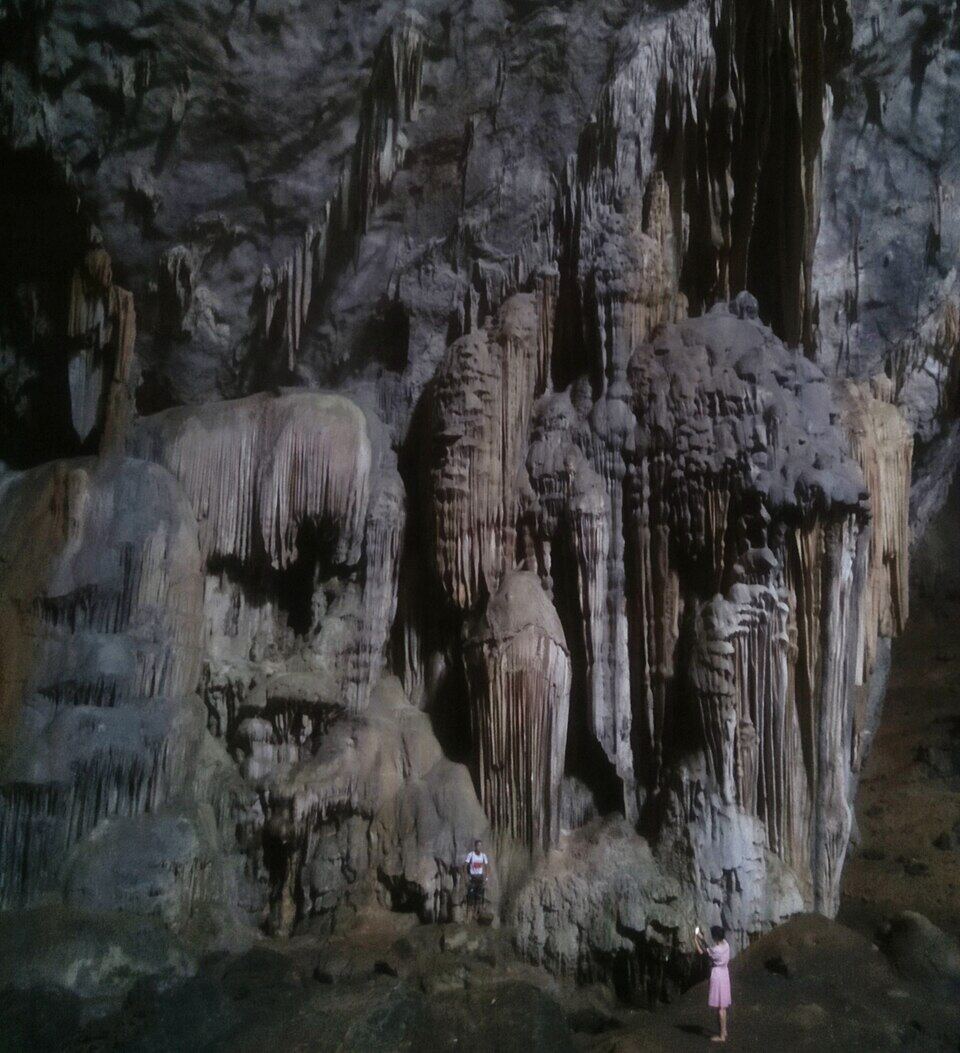
Hang Phượng Hoàng and suối Mỏ Gà are located in Võ Nhai district, 45 km northeast of Thái Nguyên city. Hang Phượng Hoàng is a limestone cave system over 1,000 m long xuyên through the mountain — inside are millions-of-years-old stalactites and stalagmites of diverse shapes: phoenix, dragon, lotus. Suối Mỏ Gà flows out from the cave, forming an emerald green stream winding between the rock faces — a beautiful natural swimming spot. The Võ Nhai area is a karst limestone region with many other undeveloped caves — great potential for adventure tourism. The Tày, Dao, Sán Dìu ethnic groups live around the area with peaceful villages, terraced fields, and primary forests.
Things to do: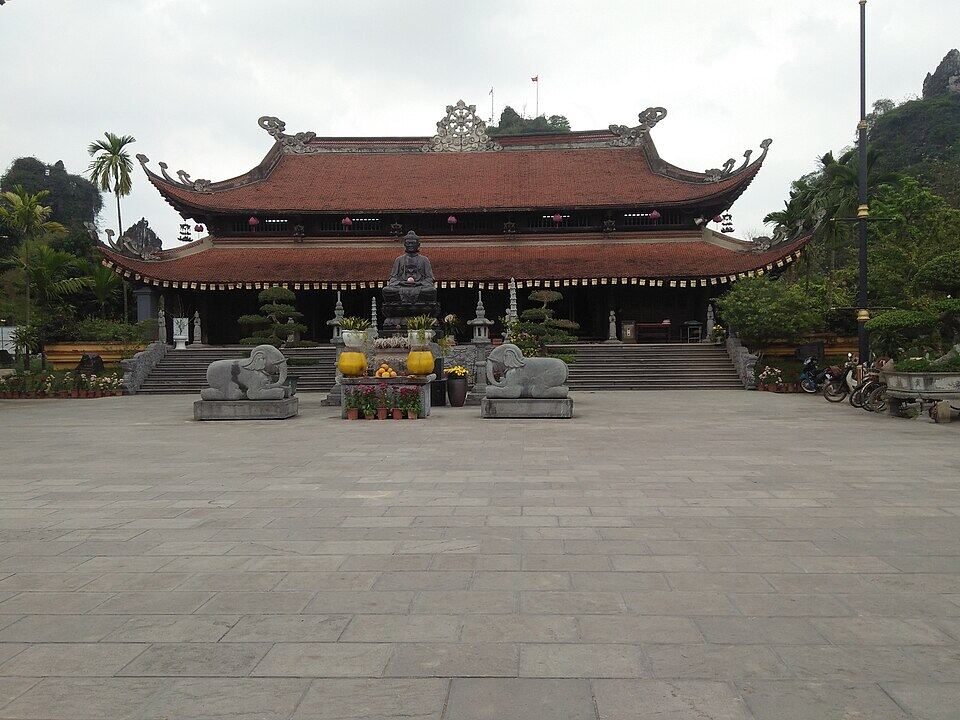
Chùa Hang (Tiên Lữ Tự) is located in Khôi Kỳ commune, Đại Từ district, 20 km from Thái Nguyên city. The pagoda was built inside a large natural rock cave on the mountainside — a unique architecture combining nature and religion. The cave is about 200 m long and 15 m high, with Buddha statues and altars inside. During the resistance against the French, the cave was used to hide weapons and print documents for the Việt Bắc war zone. Nearby is Vai Miếu lake — a small, tranquil lake amidst a pine forest, ideal for fishing and camping. The Đại Từ area also has Đuổm temple (National Relic) dedicated to Dương Tự Minh — the leader of Phủ Phú Lương during the Lý dynasty who protected the northern border.
Things to do:No. Thái Nguyên retains its administrative boundaries according to Resolution 202/2025/QH15.
Tân Cương commune, 12 km from Thái Nguyên city — the most famous tea region. Buy authentic tea at Tân Cương Tea Cooperative or from tea-growing families in the commune.
80 km — Hanoi – Thai Nguyen expressway takes about 1h15 by car. Bus takes about 2h. No airport.
Resistance safe zone from 1947 – 1954, where Uncle Ho and the Party Central Committee directed the resistance against the French. Main relics: Tỉn Keo shack, Khau Tý hill. 50 km from Thái Nguyên city.
95 km — about 1h45 by car. The lake is 2,500 ha with 89 islands. There are resorts, cruises, kayaks. Most beautiful at misty sunrise.
Hồ Núi Cốc (2,500 ha, 89 islands), ATK Định Hoá (resistance capital), Museum of Cultures of Vietnam's Ethnic Groups, hang Phượng Hoàng – suối Mỏ Gà, Thái Nguyên Iron and Steel Complex (industrial heritage).