Bắc Ninh Province
Kinh Bắc region — quan họ folk singing, ancient pagodas, and Lục Ngạn lychee
Northern Vietnam · Red River Delta
Kinh Bắc region — quan họ folk singing, ancient pagodas, and Lục Ngạn lychee
Northern Vietnam · Red River Delta
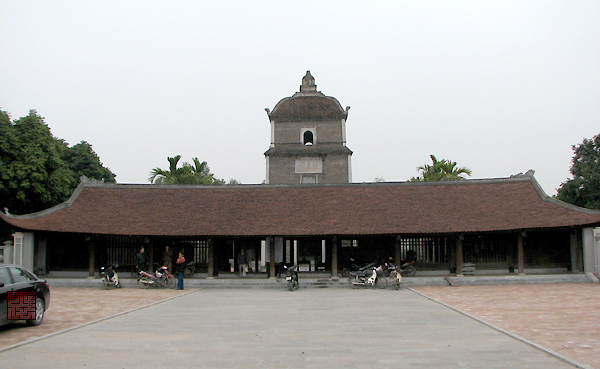
The new Bắc Ninh province was established under Resolution 202/2025/QH15 by merging the former Bắc Ninh province and Bắc Giang province. With an area of 4,718.60 km² and a population of over 3.17 million people, the province is located immediately northeast of Hà Nội — the ancient Kinh Bắc region with the highest density of historical relics in Northern Vietnam. The former Bắc Ninh province was famous for quan họ folk singing — a Representative Intangible Cultural Heritage of Humanity (UNESCO 2009), Bút Tháp Pagoda, Đền Đô Temple dedicated to 8 Lý dynasty kings, Đông Hồ painting village, and the largest Samsung industrial park in Southeast Asia. Bắc Giang province offered Vĩnh Nghiêm Pagoda — the ancestral temple of the Trúc Lâm Zen sect, the scenic Mỡ Stream – Khe Rỗ, and especially Lục Ngạn lychee — exported to 30 countries. The administrative center is located in Bắc Ninh city, 30 km from Hà Nội.
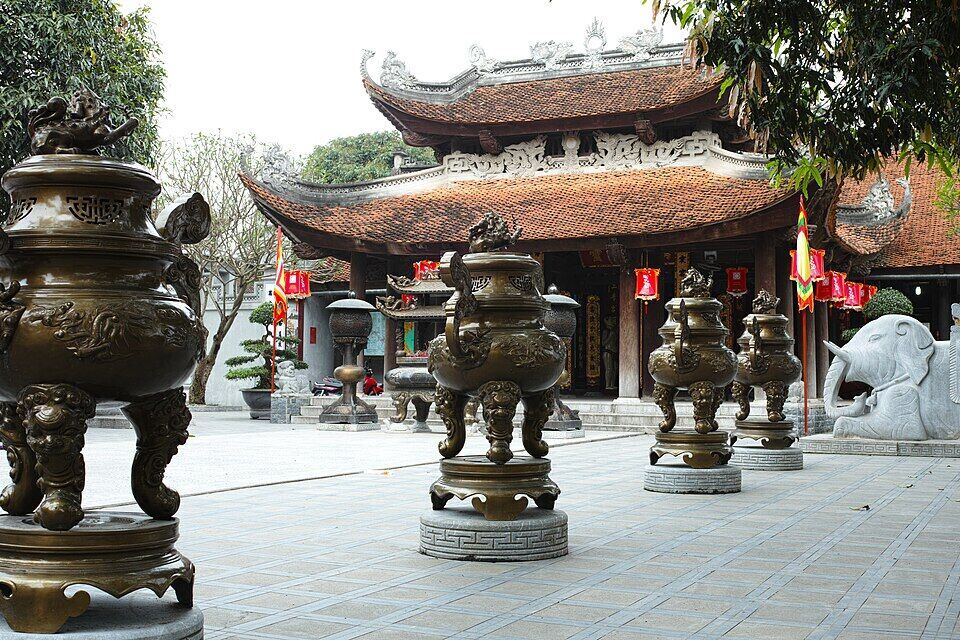
Đền Đô (Cổ Pháp Điện) is located in Đình Bảng ward, Từ Sơn city, 20 km from Hanoi. It is dedicated to 8 Lý dynasty kings (1010 – 1225) — the dynasty that founded Thăng Long (Hanoi), and is classified as a Special National Relic. Đình Bảng is the hometown of Lý Công Uẩn (Lý Thái Tổ) — the king who moved the capital from Hoa Lư to Thăng Long in 1010. The complex spans 31,250 m² with characteristic Northern *lim* wood architecture, comprising: an inner sanctuary dedicated to 8 Lý kings with gilded wooden statues, and an outer area featuring Đình Bảng communal house — Vietnam's most beautiful wooden communal house (18th century, 60 *lim* wood columns). The Đền Đô festival is held annually on the 15th day of the 3rd lunar month — commemorating King Lý Thái Tổ's enthronement (1010), featuring palanquin processions, *quan họ* folk singing, and a ceremony to inform heaven and earth.
Things to do: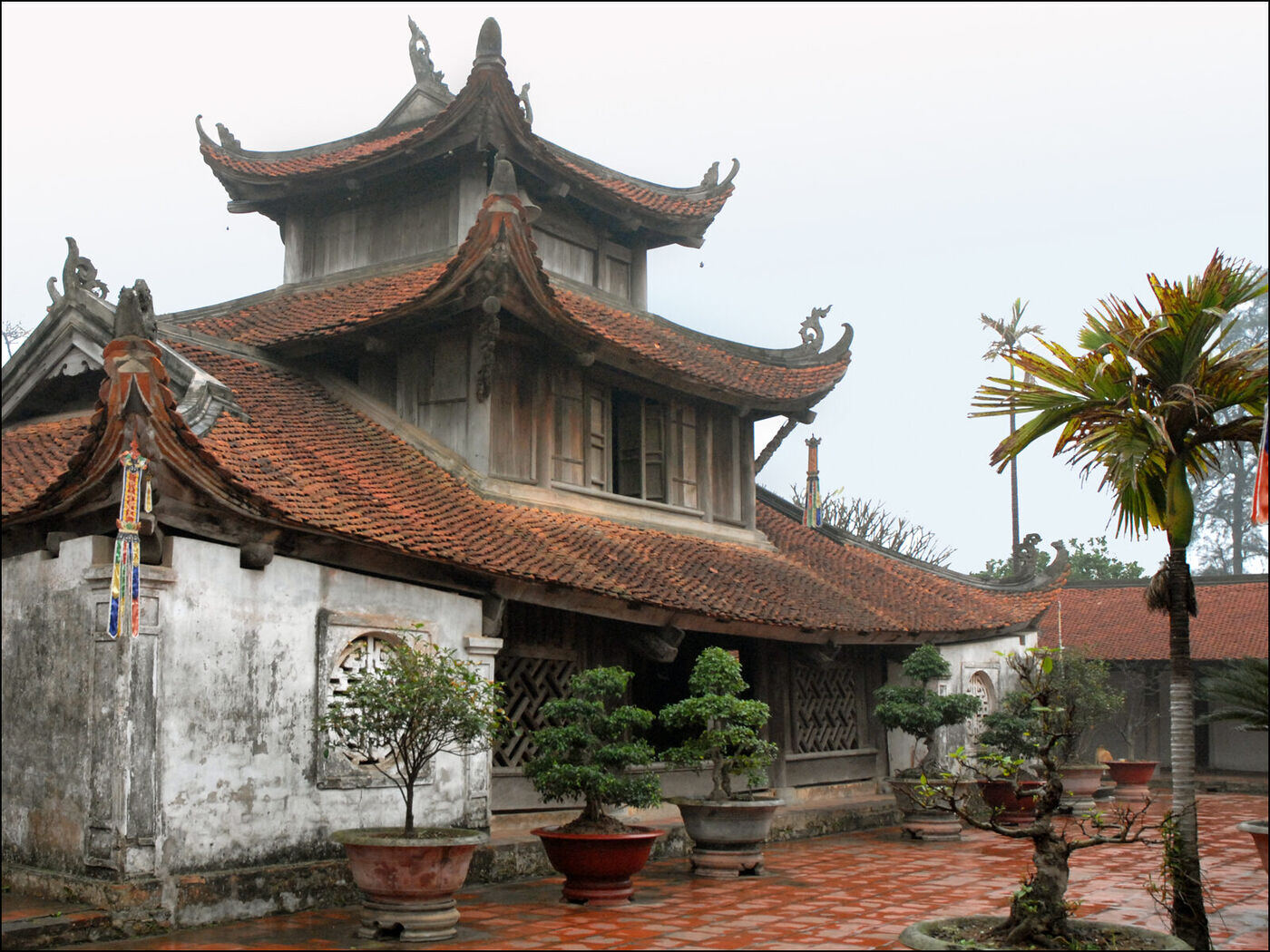
Bút Tháp Pagoda (Ninh Phúc Tự) is located in Đình Tổ commune, Thuận Thành district, 30 km from Hà Nội. Built in the 13th century and extensively renovated in the 17th century, it is a Special National Monument featuring typical wooden architecture from the Lê – Trịnh period. The pagoda's priceless treasure is the Thousand-Armed, Thousand-Eyed Avalokiteshvara Buddha statue, carved in 1656. This 3.7 m tall wooden statue, with 11 heads, 42 large arms, and 952 small arms, is recognized as a National Treasure and considered a masterpiece of Vietnamese Buddhist sculpture. The Cửu phẩm liên hoa (a rotating 9-story lotus tower) is also a National Treasure. The pagoda's architecture follows the distinctive 'nội Công ngoại Quốc' layout, with the 5-story green stone Bút Tháp (pen tower) placed in front of the pagoda, from which it derives its name.
Things to do: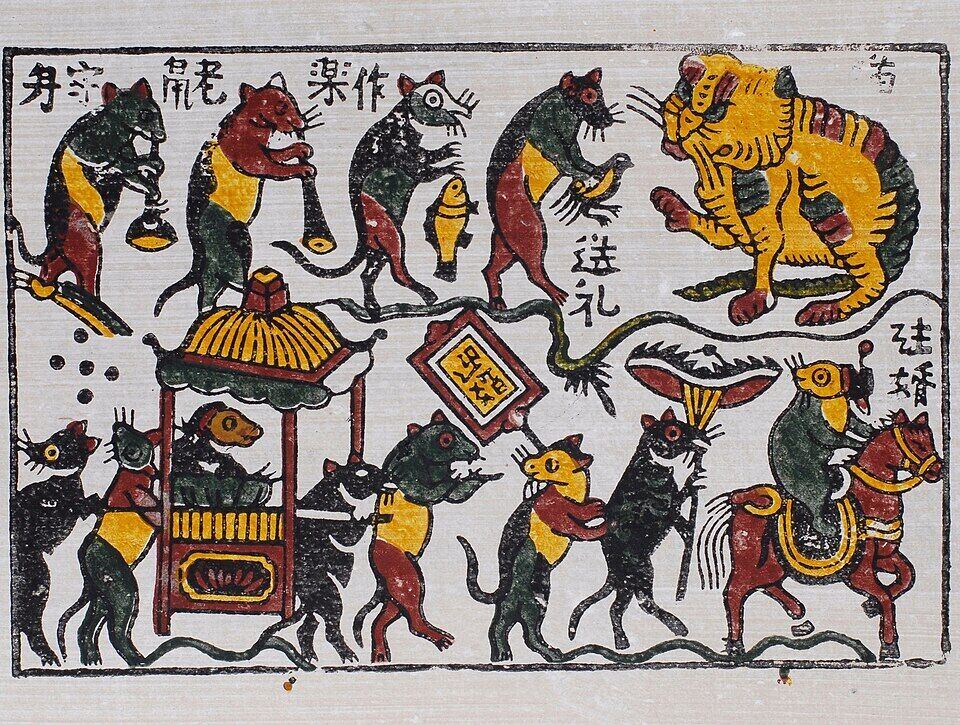
Đông Hồ village, located in Song Hồ commune, Thuận Thành district, is 33 km from Hanoi. It is Vietnam's oldest folk painting village—over 500 years old—producing woodblock prints on *giấy dó* paper coated with *điệp* (finely ground scallop shells creating a shimmering ivory background). The most famous paintings include 'Đám cưới chuột', 'Hứng dừa', 'Vinh hoa phú quý', 'Đánh ghen', 'Lợn đàn', 'Gà đàn'—each carrying profound social satire or blessings. Currently, only two families in the village preserve the craft: artisan Nguyễn Đăng Chế's family and Nguyễn Hữu Sam's family—visitors can observe the woodblock carving and printing process firsthand and purchase original paintings. Đông Hồ paintings have been submitted to UNESCO for recognition as an Intangible Cultural Heritage.
Things to do: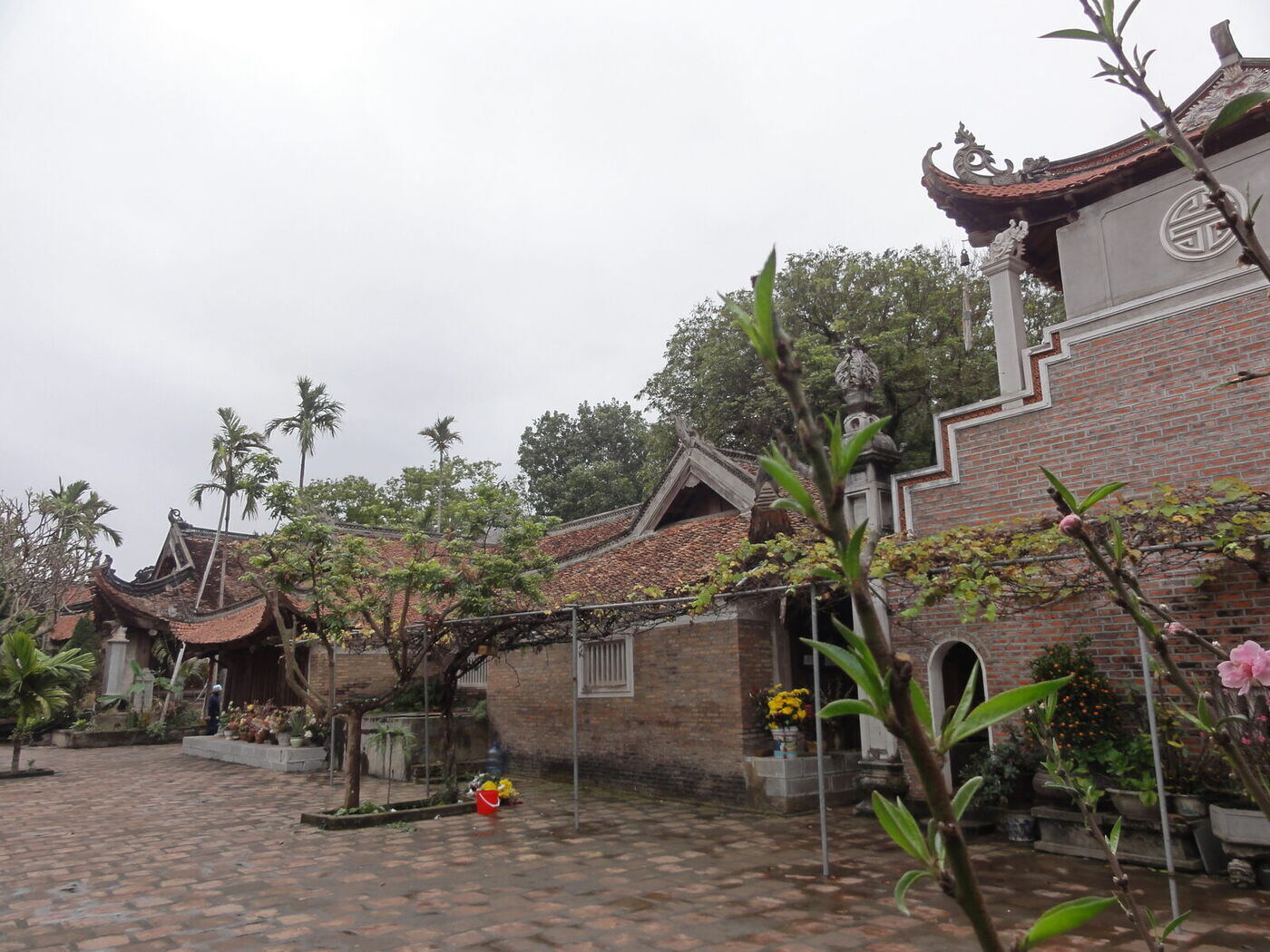
Vĩnh Nghiêm Pagoda (Đức La) is located in Trí Yên commune, Yên Dũng district (formerly Bắc Giang, now part of Bắc Ninh), 20 km from Bắc Giang city center. The pagoda was founded in the 13th century by three patriarchs of the Trúc Lâm Zen sect: Trần Nhân Tông, Pháp Loa, and Huyền Quang—it is the ancestral temple of the Trúc Lâm Yên Tử Zen lineage, representing Vietnamese Buddhist identity. Classified as a Special National Relic, the pagoda preserves a collection of Buddhist woodblocks comprising 3,050 carved planks—a Memory of the World for the Asia-Pacific region (UNESCO 2012). The pagoda boasts a massive 'nội Công ngoại Quốc' style architecture with many ancient wooden statues from the 14th – 17th centuries. It is surrounded by ancient pine forests, small streams, and a tranquil atmosphere.
Things to do: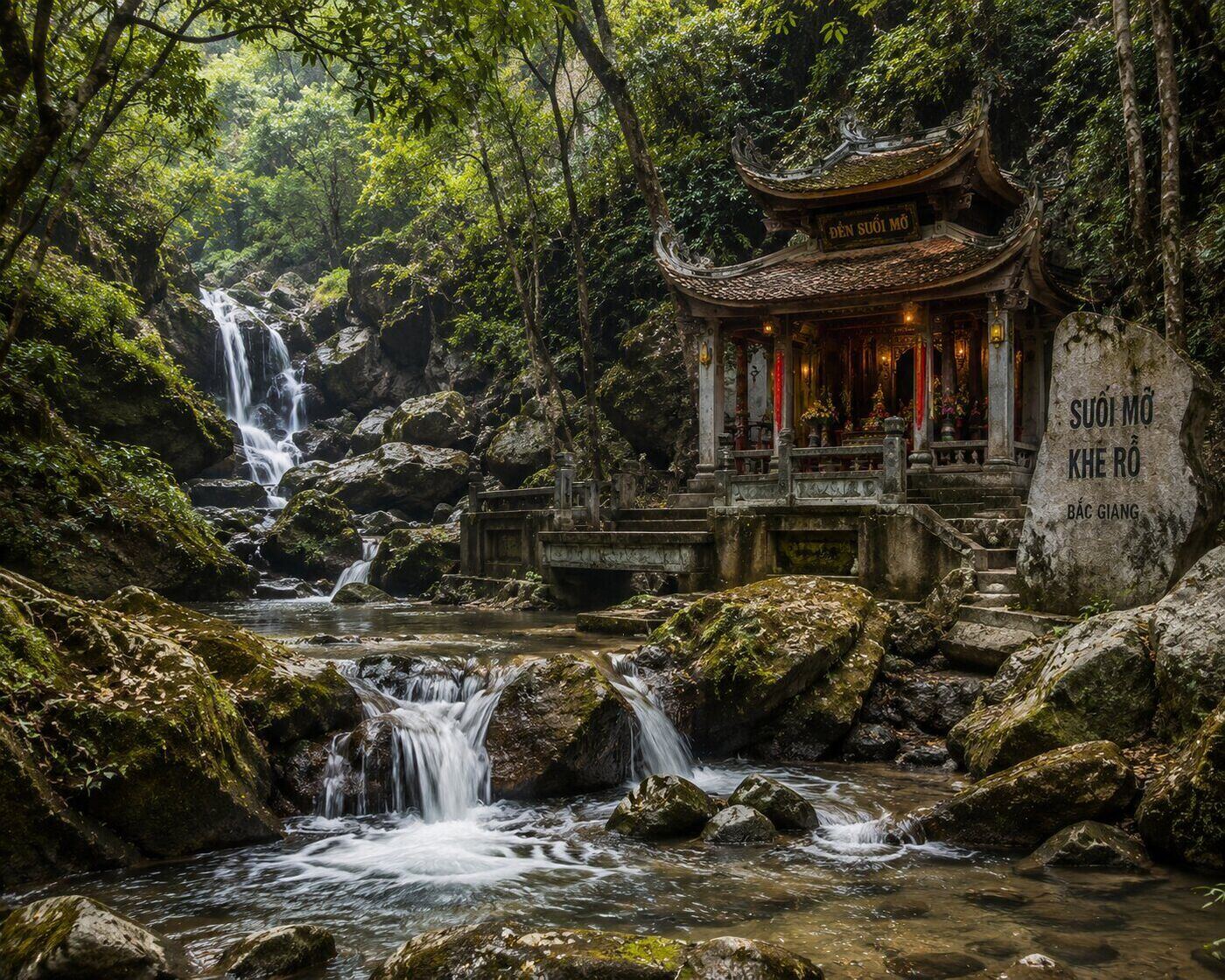
Mo Stream in Luc Nam District (former Bac Giang Province), is a 1,500 ha scenic area located on the Huyen Dinh mountain range, 30 km from Bac Giang City. Mo Stream consists of 3 waterfalls: Bac Waterfall (upper), Mo Waterfall (middle), and Mo Stream Lake (lower) — visitors hike for about 1 hour through forest paths to reach the highest waterfall. The stream water is clear blue, and you can swim and soak your feet at the natural rock pools. Khe Ro is 40 km away in Son Dong District — a 15,000 ha nature reserve, primeval forest with large trees, recording 236 bird species and 60 mammal species. Both locations are suitable for trekking and weekend picnics — an alternative to Ba Vi (Hanoi) when you want to explore a more pristine forest.
Things to do: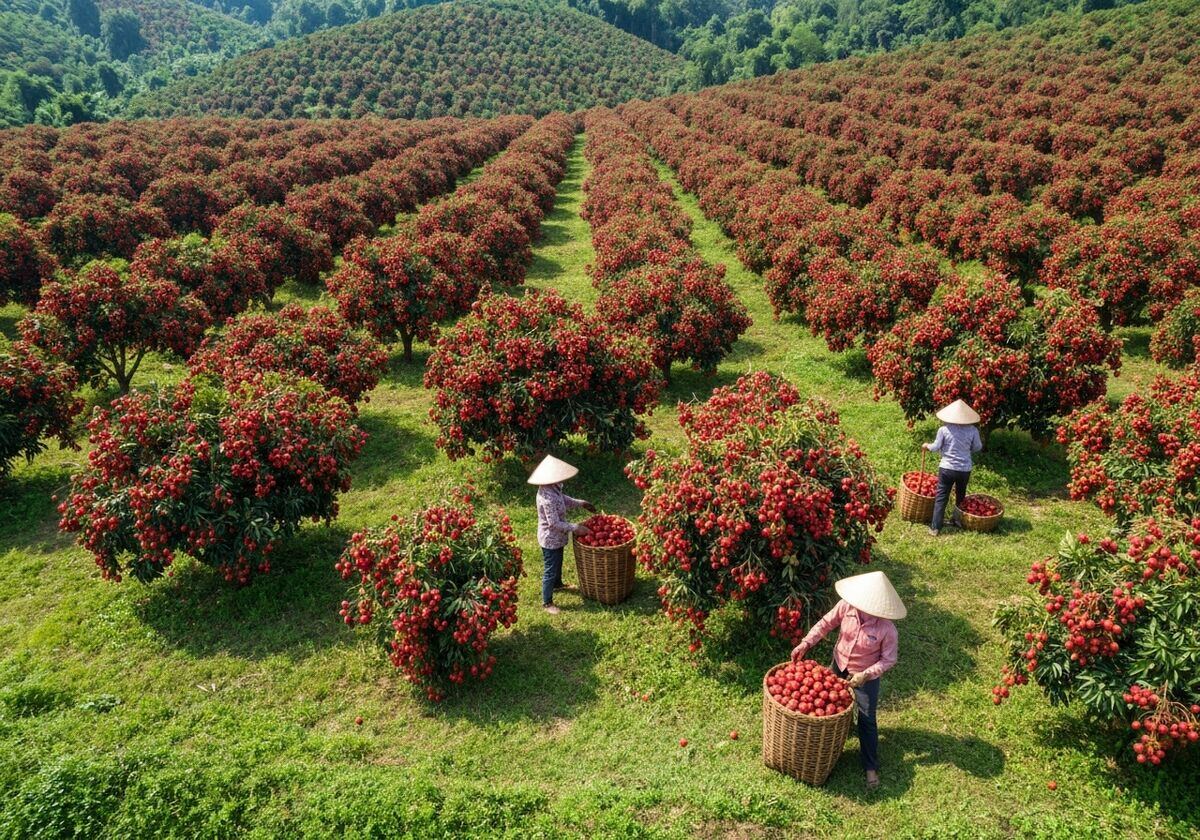
Lục Ngạn is a mountainous district in the former northeastern Giang province (now part of Bắc Ninh), known as 'Vietnam's Lychee Capital' with the largest lychee cultivation area in the country — approximately 30,000 ha. The harvest season is from June to July, when the entire district is red with ripe lychee clusters. Tourists can pick lychees themselves at orchards, with prices starting from 30,000 – 50,000 VND/kg for premium lychees. Lục Ngạn lychees have been officially exported to Japan, the EU, the US, Australia, and 30 other countries. In 2020, the first batch of lychees to Japan had a retail price of 500,000 VND/kg in Japanese supermarkets. Besides lychees, Lục Ngạn also boasts beautiful mountainous landscapes: the serene Khuôn Thần Lake, Am Vãi Pagoda atop a mountain, and the Suối Nước Vàng ecological tourist area.
Things to do:According to Resolution 202/2025/QH15, the new Bac Ninh province was formed by merging the former Bac Ninh province and Bac Giang province. Effective from July 1, 2025.
In Bac Ninh city — a Type II urban area, 30 km northeast of Hanoi.
Quan ho Bac Ninh folk singing is a type of call-and-response singing between men and women characteristic of the Kinh Bac region, recognized by UNESCO as an Intangible Cultural Heritage of Humanity in 2009. Characteristics: male and female singers perform without musical instruments, with smooth, lyrical melodies.
Only 30 km — via National Highway 1A North or the expressway, about 35-45 minutes by car. Traveling to Bac Giang adds another 50 km (totaling about 1 hour 15 minutes).
From June to July annually, peaking in the latter half of June. Visitors can pick lychees themselves at orchards. It is advisable to book homestays or hotels in Bac Giang in advance as the lychee season is very crowded.
Dedicated to 8 kings of the Lý Dynasty (1010 – 1225): Lý Thái Tổ, Lý Thái Tông, Lý Thánh Tông, Lý Nhân Tông, Lý Thần Tông, Lý Anh Tông, Lý Cao Tông, and Lý Huệ Tông. Located in Đình Bảng — hometown of Lý Thái Tổ.