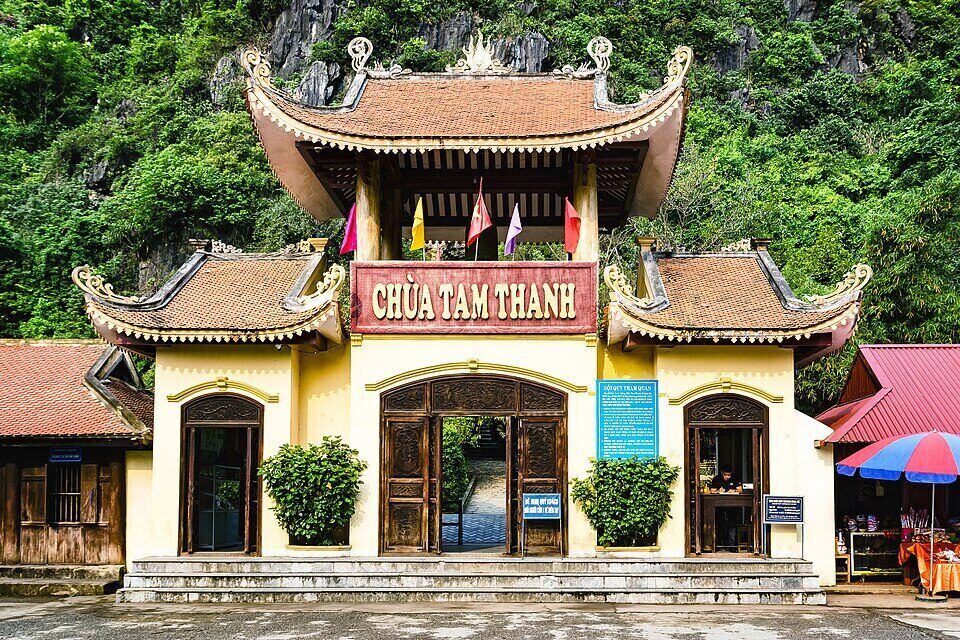
Lạng Sơn Province
Xứ Lạng — northern border, border trade market and Mẫu Sơn mountain
Northern Vietnam · Northern Midlands and Mountains · Northeast
Xứ Lạng — northern border, border trade market and Mẫu Sơn mountain
Northern Vietnam · Northern Midlands and Mountains · Northeast
Lạng Sơn is one of 11 provinces that did not undergo mergers according to Resolution 202/2025/QH15, retaining its administrative boundaries. It has an area of 8,310.20 km² and a population of 813,978 people. As the northern gateway of the country with 231 km of border with China, Lạng Sơn has Hữu Nghị international border gate and Đồng Đăng border gate — two of Vietnam's most important border trade hubs. Its culture is diverse with over 80% of the population being ethnic Tày, Nùng, Dao, Sán Chay people. Tourism in Lạng Sơn combines three distinct features: historical sites (Ải Chi Lăng — where Lê Lợi defeated the Ming army in 1427), spiritual sites (đền Mẫu Đồng Đăng), and resorts (Mẫu Sơn mountain at an altitude of 1,541 m). The administrative center is in Lạng Sơn city.
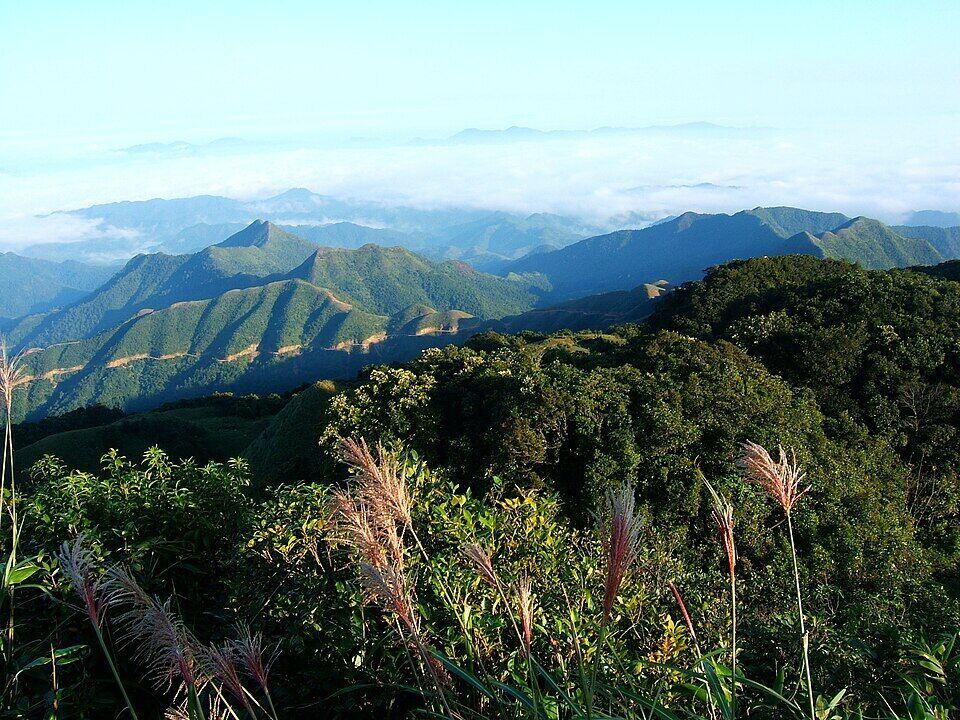
Mẫu Sơn tourist area is located on the Mẫu Sơn mountain range, 1,541 m high, about 30 km east of Lạng Sơn city. It was built by the French in the early 20th century as a resort station with about 100 French-style villas — many of which remain today in picturesque ruins. Mẫu Sơn's climate is cool year-round, with an average temperature of 15–18°C; in winter, temperatures drop below 0°C, and ice and snow may appear — a rare phenomenon in Northern Vietnam. Mẫu Sơn cha and Mẫu Sơn con peaks are two famous viewpoints, looking down at the Red Dao villages hidden in the clouds. Specialties on the peak include Mẫu Sơn six-toed chicken (multi-clawed chicken), Mẫu Sơn medicinal wine, and Mẫu Sơn peaches in season.
Things to do: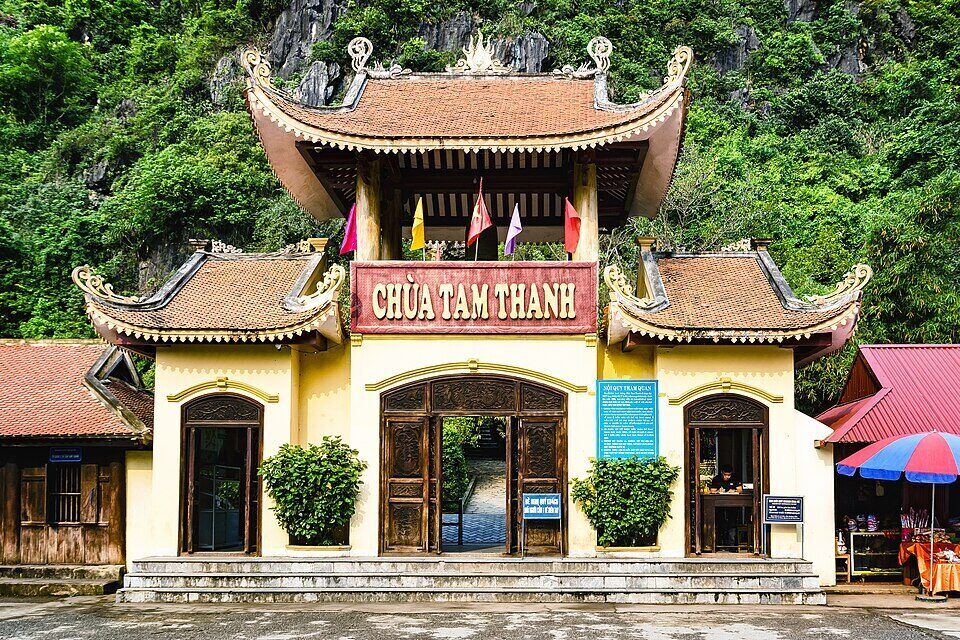
Tam Thanh Cave, located in Tam Thanh ward, right in the center of Lạng Sơn city, is one of the most famous scenic spots in Xứ Lạng, popularly ranked among Lạng Sơn's 'eight scenic beauties'. The cave is about 60 m long, with many natural stalactites of fascinating shapes: Âm Ti Lake, the road to heaven, the path to hell, etc. Inside the cave is Tam Thanh Pagoda, built during the Lê dynasty (15th–16th centuries), dedicated to Buddha and Mẫu. It is one of Vietnam's most unique ancient pagodas because it is situated within a limestone cave. On the cave walls, there are still preserved ma nhai steles (poems carved directly into stone) by literati from the Lê – Nguyễn dynasties, the most famous of which is a poem by Ngô Thì Sĩ. The Tam Thanh Cave area connects with Nhị Thanh Cave and Nàng Tô Thị, forming a complex of attractions within Lạng Sơn city.
Things to do: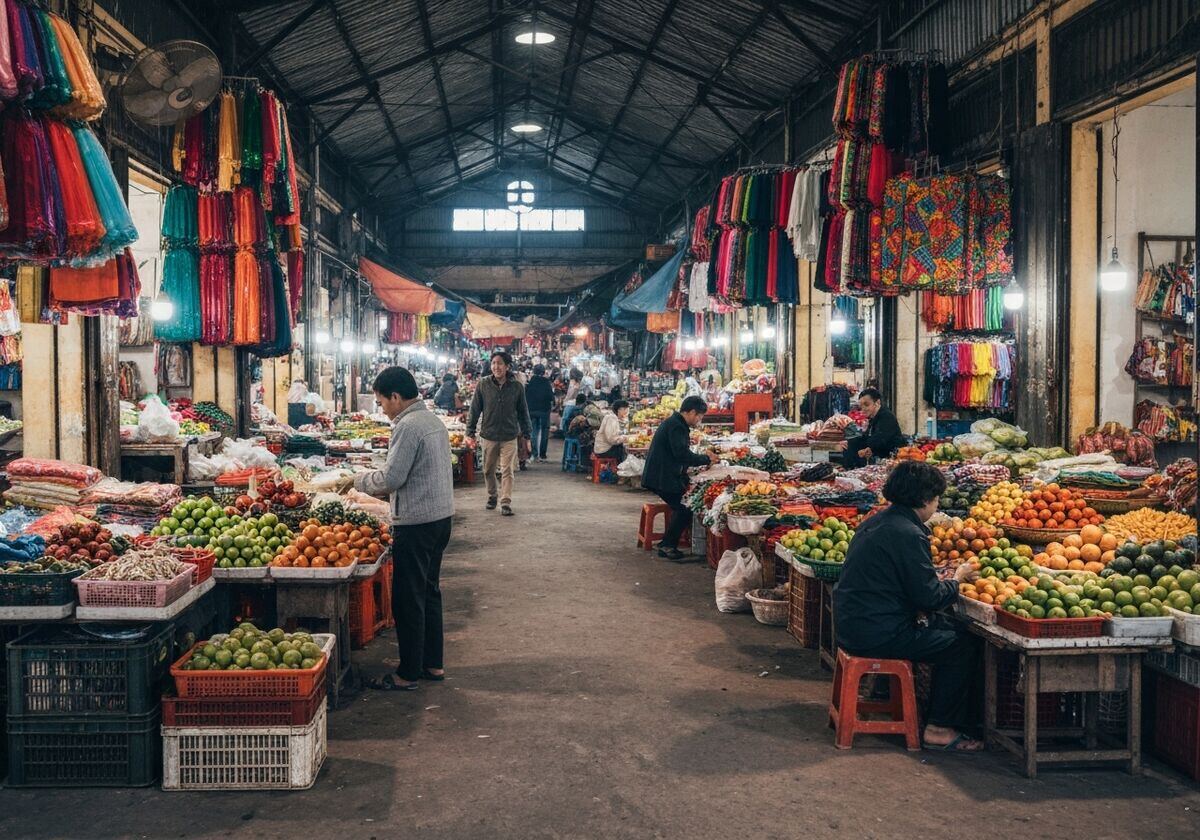
Đông Kinh Market is located right in the center of Lạng Sơn city, it is the largest market in the Northeast border region and one of Vietnam's most important commercial hubs. The three-story market building has thousands of stalls selling all kinds of goods: clothes, shoes, electronics, household items, food, toys, etc., with many items imported from China via Hữu Nghị and Đồng Đăng border gates. The 1st floor mainly sells consumer goods, the 2nd floor is for clothes and accessories, and the 3rd floor is for electronics. Note to bargain — the initial price is often much higher than the actual price; the experience is to offer 30–50% of the initial price. The area around the market also has many traditional roasted duck, roasted pork, and phở chua eateries — worth visiting after shopping.
Things to do: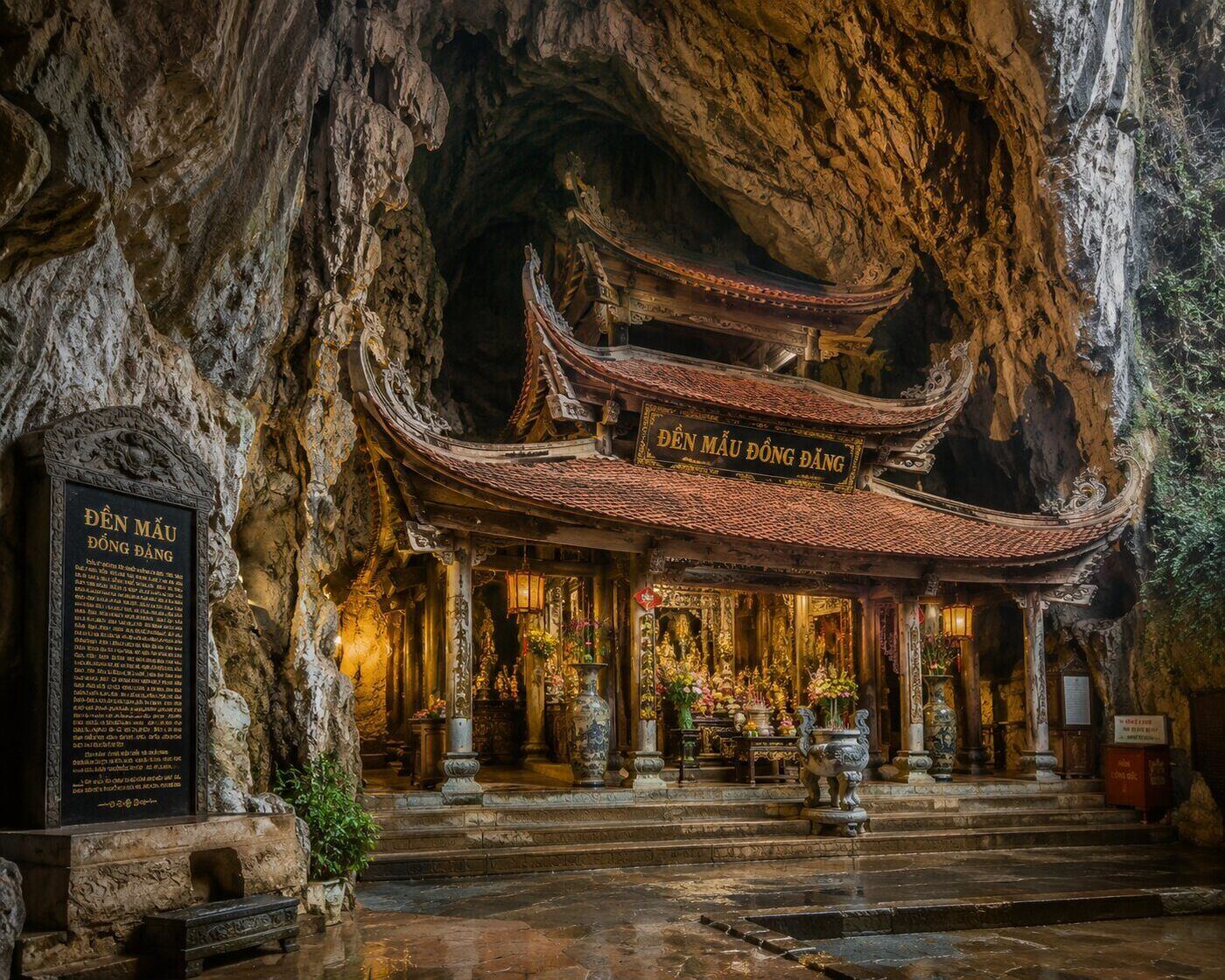
Đền Mẫu Đồng Đăng (also known as Đền Mẫu Sòng) is located in Đồng Đăng town, Cao Lộc district, only 4 km from Hữu Nghị International Border Gate. The temple worships Liễu Hạnh Công Chúa — one of the 'Four Immortals' of Vietnamese folk religion, especially revered by traders in the border region. The temple is situated on a small hill, with ancient architecture featuring the Mẫu殿, Quan Âm殿, and Sơn Trang殿. Every year on the 10th day of the first lunar month, the temple holds a major festival — tens of thousands of people from all over flock to pray for good fortune at the beginning of the year, especially traders hoping for prosperous business. Along with Đền Bắc Lệ (Hữu Lũng) and Đền Kỳ Cùng (Lạng Sơn city), Đền Mẫu Đồng Đăng forms the famous 'spiritual triangle' of Lạng province.
Things to do: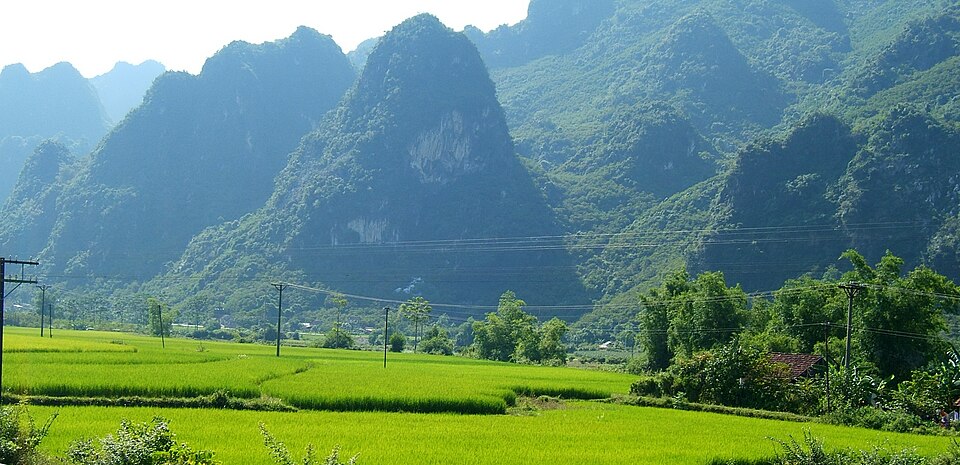
Ải Chi Lăng is located in Chi Lăng district, about 50 km south of Lạng Sơn city on National Highway 1A. As a strategic and dangerous pass on the route from China to the Northern Delta, Chi Lăng was considered the 'throat' of northern border defense from the Lý – Trần dynasties. The most famous Battle of Chi Lăng took place on October 10, 1427 (9th lunar month of the Dinh Mùi year): the Lam Sơn insurgents, under the command of Lê Lợi and Nguyễn Trãi, ambushed and annihilated 100,000 Ming reinforcements and beheaded their commander Liễu Thăng at Mã Yên mountain — decisively contributing to ending 20 years of Ming domination. Today's relic site includes Mã Yên mountain (shaped like a saddle), Đầm Lầy swamp where Ming troops got bogged down, Quan Vân Trường temple, and ancient stone pass — classified as a Special National Monument in 2019.
Things to do: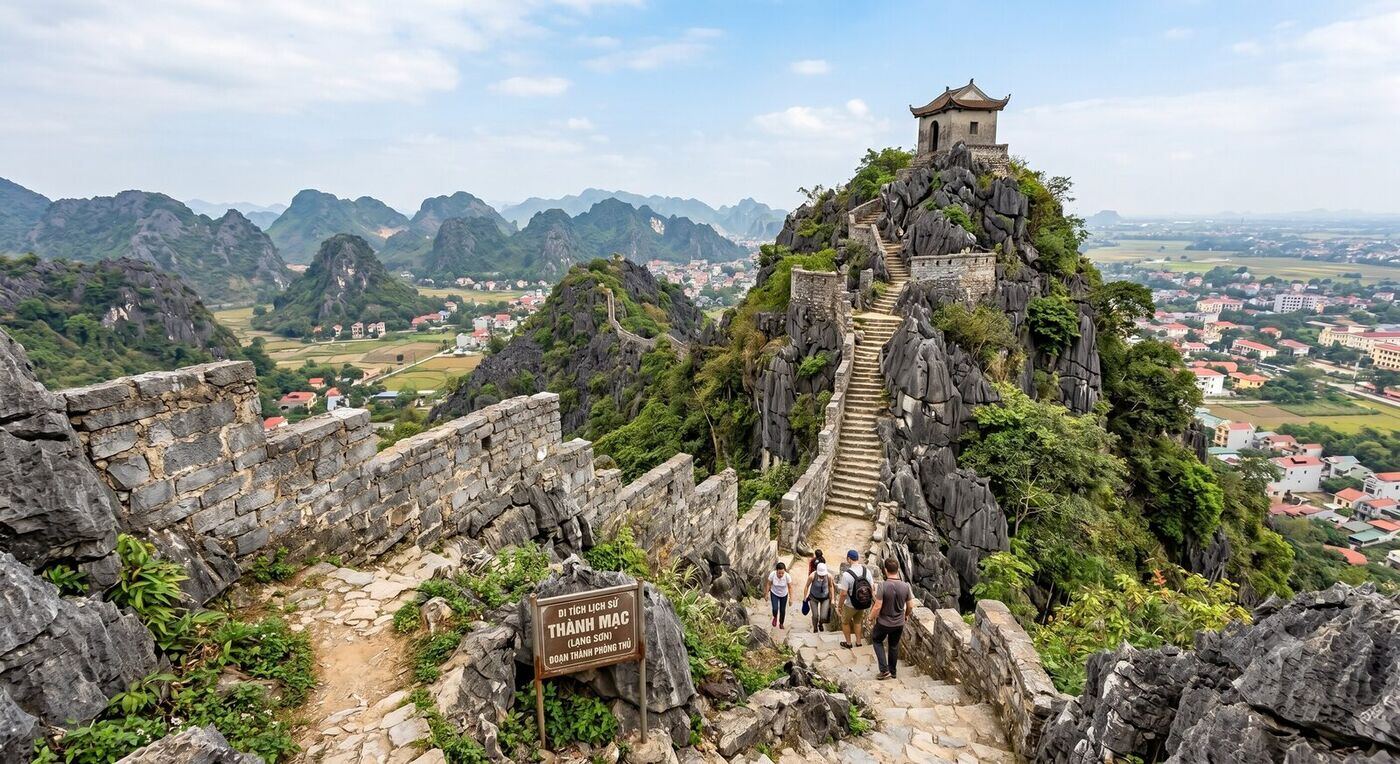
The Mạc Citadel is located on top of a hill in Tam Thanh ward, right in the center of Lạng Sơn city. Built in the 16th century under the Mạc dynasty — when the Mạc dynasty retreated from Thăng Long to establish their base in the Cao Bằng – Lạng Sơn region, the citadel was one of the last defensive fortifications of this dynasty. The walls were built with natural stone without mortar, 4 m high, over 300 m long, following the ridge of the hill. Today, only the northern section of the stone wall and two gates remain — standing there overlooking the impressive panoramic view of Lạng Sơn city. The area has been renovated into a park with 500 stone steps leading to the top, serving as a sightseeing spot and morning exercise area for local residents. From the top of the citadel, Tam Thanh Cave and the adjacent Tô Thị mountain range can be seen.
Things to do:No. Lạng Sơn is one of 11 provinces that did not undergo provincial-level rearrangement according to Resolution 202/2025/QH15, maintaining its original boundaries with an area of 8,310.20 km² and a population of 813,978 people.
In Lạng Sơn city — a type II urban area, 154 km northeast of Hà Nội via National Highway 1A and the Bắc Giang – Lạng Sơn Expressway.
About 2–3 hours by car via the Bắc Giang – Lạng Sơn Expressway (154 km), or about 4 hours by train. The expressway is fully open — this is the most popular option.
Remember to bargain — initial prices are often 2–3 times the actual price. Open daily from 7 AM to 5 PM. Avoid buying genuine electronics (many fakes, poor quality); prioritize specialties and clothing. The market is right in the city center, within walking distance.
Yes. Every winter (December – February), when temperatures drop below 0°C, Mẫu Sơn peak can experience frost covering the trees — a rare phenomenon in Northern Vietnam. Snow is rarer, occurring only once every few years.
Enough for a short itinerary: morning express highway, lunch with roasted duck, afternoon visit to Đông Kinh market + Tam Thanh cave + Mạc Citadel, evening return to Hà Nội. If you want to visit Mẫu Sơn and Ải Chi Lăng, you should plan for 2 days and 1 night.