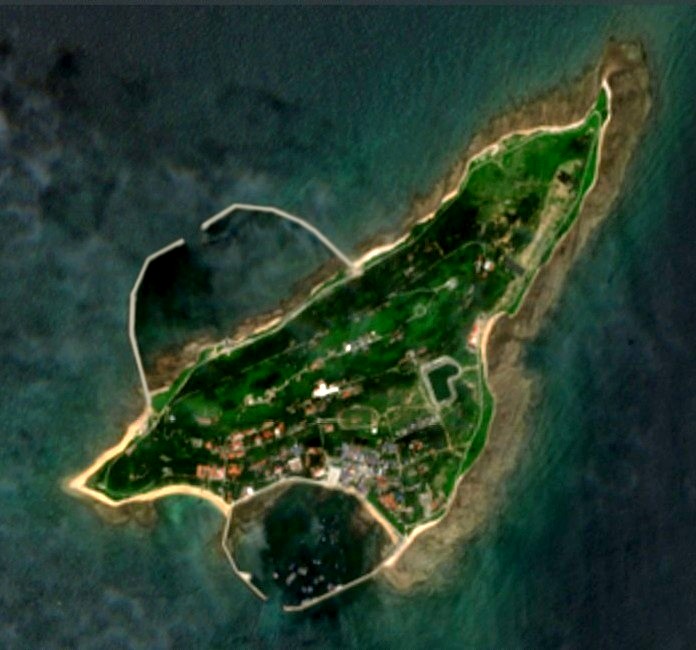
Hải Phòng Province
Port city — Vịnh Hạ Long and đảo Cát Bà
Northern Vietnam · Red River Delta
Port city — Vịnh Hạ Long and đảo Cát Bà
Northern Vietnam · Red River Delta
The new Hải Phòng was established under Resolution 202/2025/QH15 based on the merger of the former Hải Phòng city, Quảng Ninh province, and Hải Dương province. With an area of 3,194.72 km² and a population of over 5.25 million people, it is the third largest centrally-governed city in the country. After the merger, Hải Phòng boasts Vietnam's top-tier tourism ecosystem: Vịnh Hạ Long — a UNESCO World Natural Heritage site with 1,969 islands, quần đảo Cát Bà — a UNESCO Biosphere Reserve, Đồ Sơn beach, Yên Tử scenic area — the birthplace of the Trúc Lâm Zen sect, and the Côn Sơn – Kiếp Bạc relic complex dedicated to the famous figures Nguyễn Trãi and Hưng Đạo Vương Trần Quốc Tuấn. The administrative center is located in Hồng Bàng district (former Hải Phòng), 120 km east of Hà Nội.
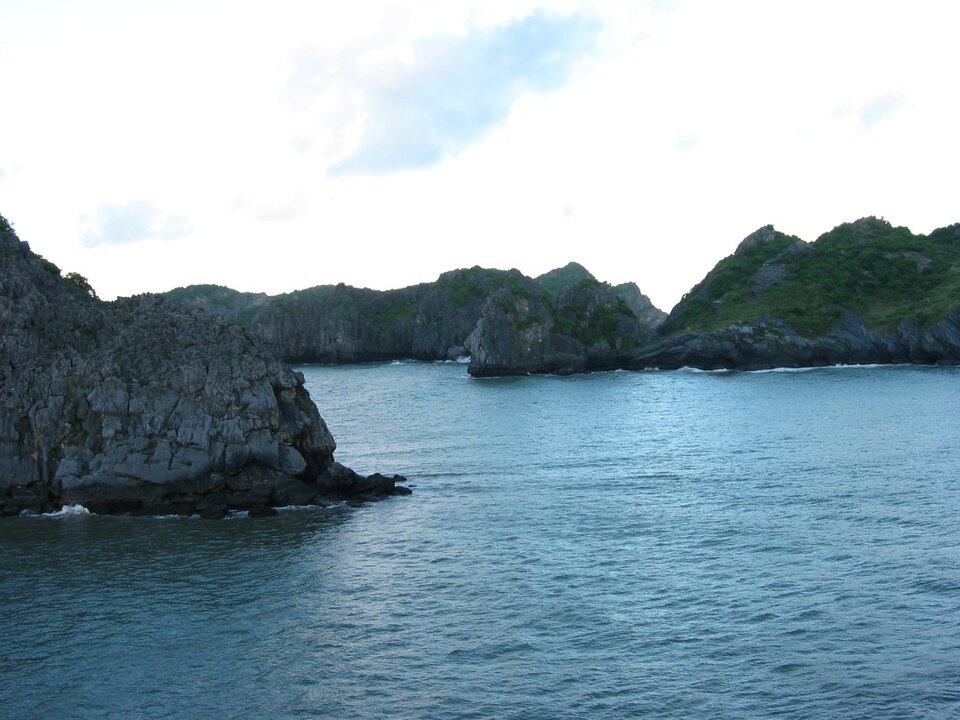
Hạ Long Bay is located in Hạ Long city (former Quảng Ninh province, now part of Hải Phòng), covering 1,553 km² with 1,969 large and small limestone islands. The bay was recognized as a UNESCO World Natural Heritage site twice: in 1994 (for its aesthetic value) and in 2000 (for its geological value). It was also voted one of the 'New7Wonders of Nature' in 2012. Tourists often take 1-3 day cruises, weaving among the islands, admiring hang Sửng Sốt (the most beautiful cave in the bay), hang Đầu Gỗ, đảo Ti Tốp, hòn Gà Chọi (Hạ Long's symbol), Cửa Vạn fishing village, and kayaking in vịnh Lan Hạ — a small bay south of Cát Bà with turquoise water and pristine sandy beaches. Tuần Châu International Cruise Port is the main departure point for bay tours.
Things to do: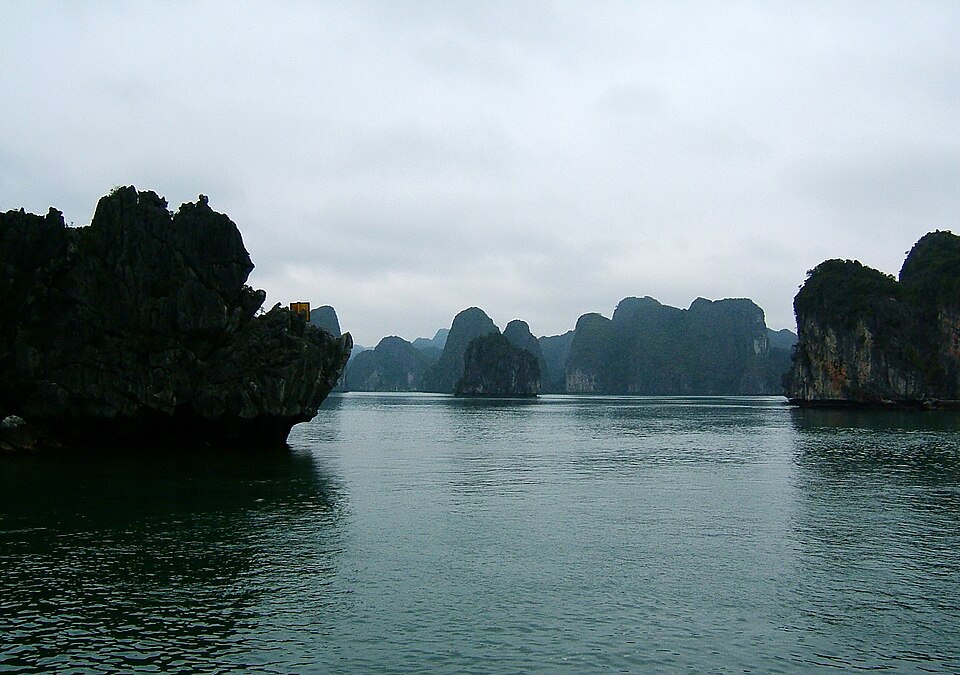
The Cát Bà Archipelago consists of 366 islands located south of Hạ Long Bay, in Cát Hải district (Hải Phòng). The largest island, Cát Bà, covers 285 km² and was recognized as a UNESCO World Biosphere Reserve in 2004. Cát Bà National Park, spanning 15,200 ha, covers most of the island, recording 3,860 species of flora and fauna, notably the Cát Bà langur (Trachypithecus poliocephalus) — an endemic primate species with only about 70 individuals remaining, making it one of the world's most endangered. To the south of the island is Lan Hạ Bay, with over 300 small islands and water clearer than Hạ Long Bay, making it a paradise for kayaking and rock climbing. Cát Bà town is bustling with hotels, restaurants, and a pier for boats to other islands. Cát Cò beaches 1, 2, and 3 are located right next to the town.
Things to do: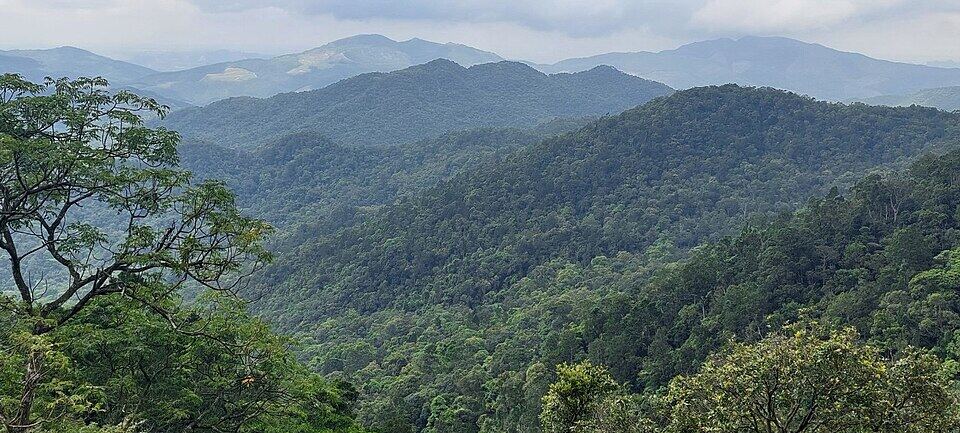
The Yên Tử scenic area is located in Uông Bí city (former Quảng Ninh, now part of Hải Phòng), with a peak of 1,068 m. This is the 'Cradle of Vietnamese Buddhism' — where King Trần Nhân Tông, after defeating the Mongol invaders for the third time, renounced his throne to practice Buddhism on the mountain in 1299, establishing the Trúc Lâm Yên Tử Zen sect — the only Zen lineage with a distinct Vietnamese identity. The 6 km climb of 6,000 stone steps passes through a system of ancient pagodas and hermitages: Chùa Giải Oan, Chùa Một Mái, Chùa Bảo Sái, Chùa Hoa Yên (Trúc Lâm headquarters), reaching the summit where Chùa Đồng (Thiên Trúc Tự) stands — a 70-ton solid bronze pagoda on the peak of Yên Tử. A two-stage cable car shortens the journey from 4 hours to 1 hour 30 minutes. The Yên Tử Festival takes place from the first to the third lunar month, attracting millions of Buddhists.
Things to do: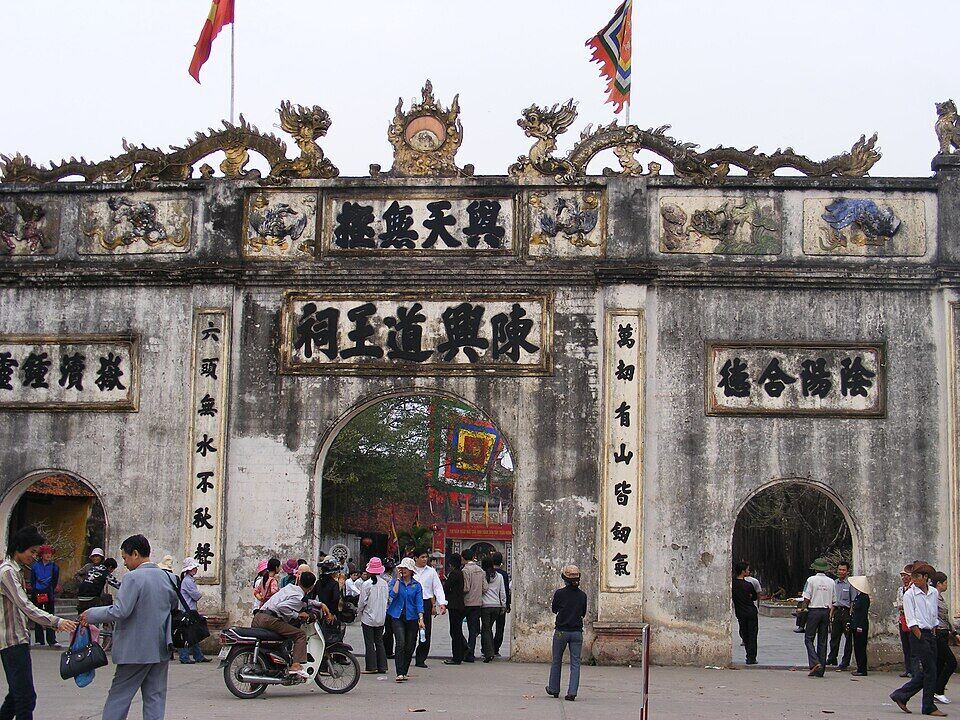
The Côn Sơn – Kiếp Bạc historical site, located in Chí Linh city (former Hải Dương, now part of Hải Phòng), was recognized as a Special National Relic in 2012. The complex consists of two main clusters 5 km apart: Côn Sơn with Côn Sơn Pagoda (Thiên Tư Phúc Tự, built in the 14th century) — where Nguyễn Trãi lived in seclusion and composed 'Côn Sơn ca', the fairy chessboard, Thạch Bàn, and Côn Sơn stream; and Kiếp Bạc with Kiếp Bạc Temple dedicated to National Hero Hưng Đạo Vương Trần Quốc Tuấn — the general who defeated the Nguyên Mông army three times. The Côn Sơn – Kiếp Bạc Festival, held annually from the 15th to the 20th of the 8th lunar month, is the largest festival in the Northeast region — featuring the 'Hội quân trên sông Lục Đầu' (Troop Muster on Lục Đầu River) ceremony reenacting the great victory of 1288. In 2024, the complex completed its application for UNESCO World Cultural Heritage recognition.
Things to do: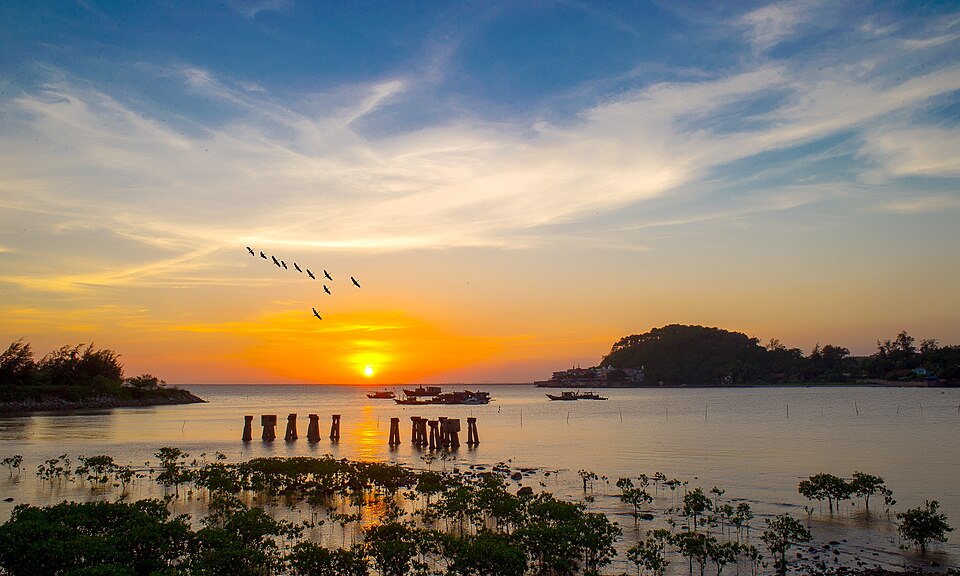
Đồ Sơn is a peninsula located 20 km southeast of Hải Phòng city center, comprising nine hills jutting out into the sea. Developed by the French in the late 19th century, Đồ Sơn is one of Vietnam's three oldest coastal resorts (along with Sầm Sơn and Vũng Tàu). The beach is about 4 km long, divided into three areas: Area I, Area II, Area III — with Area I preserving many ancient French villas. Đồ Sơn is famous for its Buffalo Fighting Festival on the 9th day of the 8th lunar month annually — a National Intangible Cultural Heritage, believed to date back to the 18th century. The area also features Đồ Sơn Casino, Hòn Dáu island with an ancient lighthouse, and Bà Đế Temple dedicated to the sea goddess. Đồ Sơn is the most popular weekend choice for residents of Hà Nội and Hải Phòng when they don't want to travel far to Hạ Long.
Things to do:Lan Hạ Bay is located southeast of Cát Bà island, directly connected to Ha Long Bay via a small strait. The bay covers an area of about 7,000 ha with over 300 small islands, 139 of which have sandy beaches — significantly more than Ha Long Bay. The waters of Lan Hạ Bay are more emerald and clearer than Ha Long due to less large vessel traffic and no coastal residential areas. This is the kayak paradise of the North: visitors can paddle through caves, visit deserted beaches, and swim amidst cliffs. Famous beaches include: Monkey Island (đảo Khỉ), Áng Thảm beach, Áng Sỏi, Tư Do beach. Many luxury cruises (Heritage, Paradise, Orchid, Perla Dawn) operate the Lan Hạ 2-day 1-night route from Tuần Châu pier or Cát Bà pier. The bay is also home to the Cửa Vạn floating fishing village — one of the 10 most beautiful fishing villages in the world according to Journeyetc.com.
Things to do:According to Resolution 202/2025/QH15, the new Hải Phòng was merged from the former Hải Phòng city, Quảng Ninh province, and Hải Dương province. Effective from 01/7/2025.
No. After the merger, Ha Long Bay belongs to the new Hải Phòng city. However, the bay still retains its name and UNESCO World Natural Heritage title.
9,409.15 km² with a population of 5,251,282 people — the third largest among centrally-governed cities (after TP.HCM and Đà Nẵng).
Approximately 170 km — Hanoi – Ha Long expressway (via Hai Duong) takes about 2h30 by car. Van Don Airport is 50 km from Ha Long, serving flights from Ho Chi Minh City and some international routes.
High-speed boat from Ben Binh pier (HP city center) to Cat Ba takes 50 minutes. Alternatively, take the Got ferry (Dinh Vu) for 25 minutes, then a 30-minute bus ride to Cat Ba town. The Got ferry is more convenient if you are traveling by private car.
Climbing 6,000 stone steps to Dong Pagoda takes 3 – 4 hours. Taking two cable car sections (section 1 + section 2) shortens the climb to 1h30 for the final section. It is recommended to go early, 5 – 6 AM, to avoid the sun and crowds.