Hưng Yên Province
Phố Hiến xưa — the plain of longan and Thái Bình chèo land
Northern Vietnam · Red River Delta
Phố Hiến xưa — the plain of longan and Thái Bình chèo land
Northern Vietnam · Red River Delta
The new Hưng Yên was established under Resolution 202/2025/QH15 based on the merger of the former Hưng Yên province and Thái Bình province. With an area of 2,514.81 km² and a population of over 3.1 million people, this is one of the most fertile alluvial plains in the North. The former Hưng Yên has a rich history with Phố Hiến — the busiest trading port in Đàng Ngoài in the 16th – 17th centuries, where the proverb 'first Kinh Kỳ, second Phố Hiến' originated, along with the nationally famous nhãn lồng specialty. Thái Bình is known as the 'homeland of Năm Tấn' — the rice granary of the Red River Delta, the birthplace of Lý Bôn (Lý Nam Đế) — the king who founded the Vạn Xuân nation, and the ancestral land of traditional chèo art. The administrative center is located in Hưng Yên city, 64 km southeast of Hà Nội.
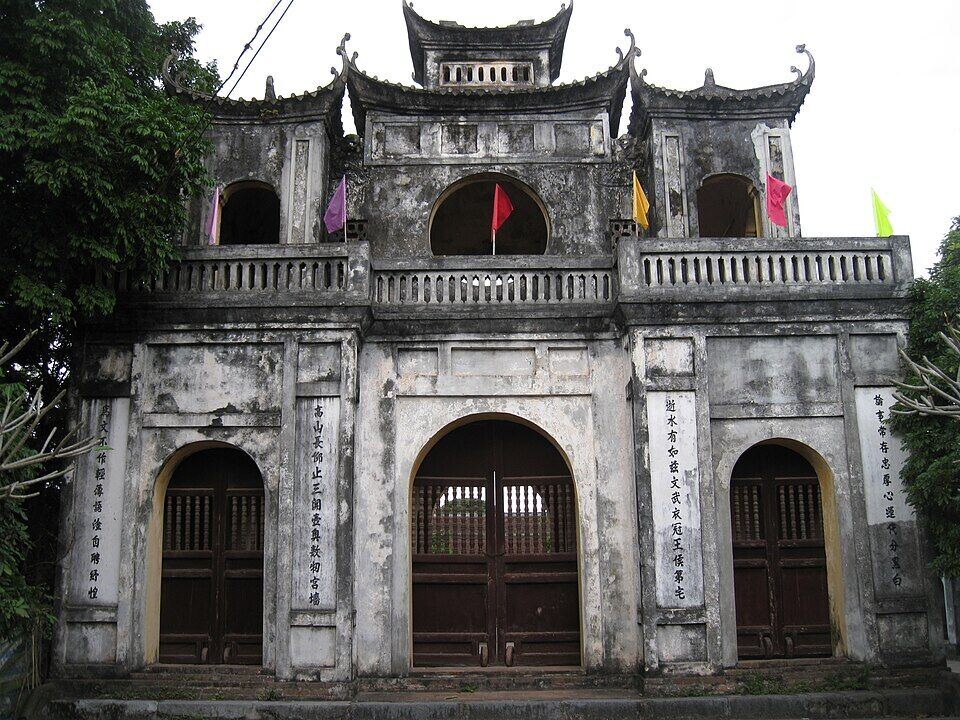
Phố Hiến is an area in the southern part of Hưng Yên city, which was once the busiest international trading port in Đàng Ngoài during the 16th – 17th centuries. It once hosted trading posts of Japan, China, the Netherlands, England, France, and Portugal — it was the most important river trade hub in Bắc Kỳ during the Lê – Trịnh era. Although the trading port declined when the Red River changed its course, Phố Hiến still preserves over 100 relics including temples, pagodas, shrines, assembly halls, and Catholic churches: Đền Mẫu, Đền Trần (worshipping Trần Hưng Đạo), Văn Miếu Xích Đằng, chùa Chuông (Phổ Tế), chùa Hiến, Đông Đô Quảng Hội (Chinese assembly hall). The Phố Hiến relic complex was classified as a Special National Relic in 2014. Visitors can walk along the ancient street for about 2 km, visiting temples and pagodas interspersed with local houses — simpler than Hội An but rich in the spirit of Northern Vietnam.
Things to do: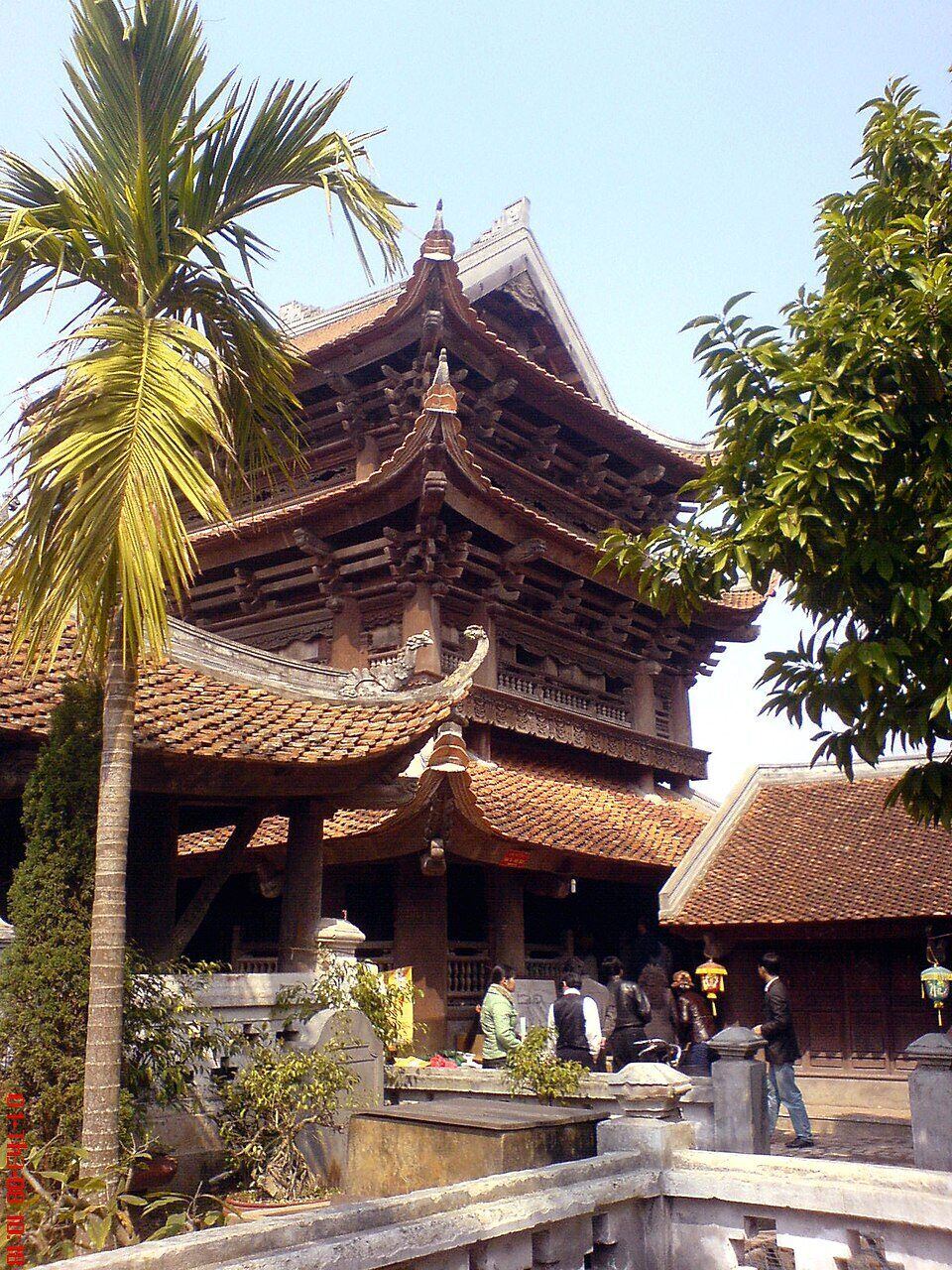
Chùa Keo (Thần Quang Tự) is located in Duy Nhất commune, Vũ Thư district (former Thái Bình, now part of Hưng Yên). The pagoda was built in 1632 during the Lê Trung Hưng period on the foundation of an older pagoda from the 12th century. It is a Special National Relic and is considered one of the most beautiful ancient pagodas in Vietnam. The complex spans 58,000 m² and comprises 17 interconnected structures: tam quan (triple gate), Buddha pagoda, and the rear palace dedicated to Zen Master Không Lộ — the founder of the original 11th-century pagoda. The architectural highlight is the 11.04 m high three-story bell tower with curved roofs made of ironwood — considered a masterpiece of Lê-era wooden architecture, built without iron nails. The Chùa Keo Festival takes place on the 4th day of the 1st lunar month and the 15th day of the 9th lunar month — featuring a unique water procession ritual on the Trà Lĩnh River.
Things to do: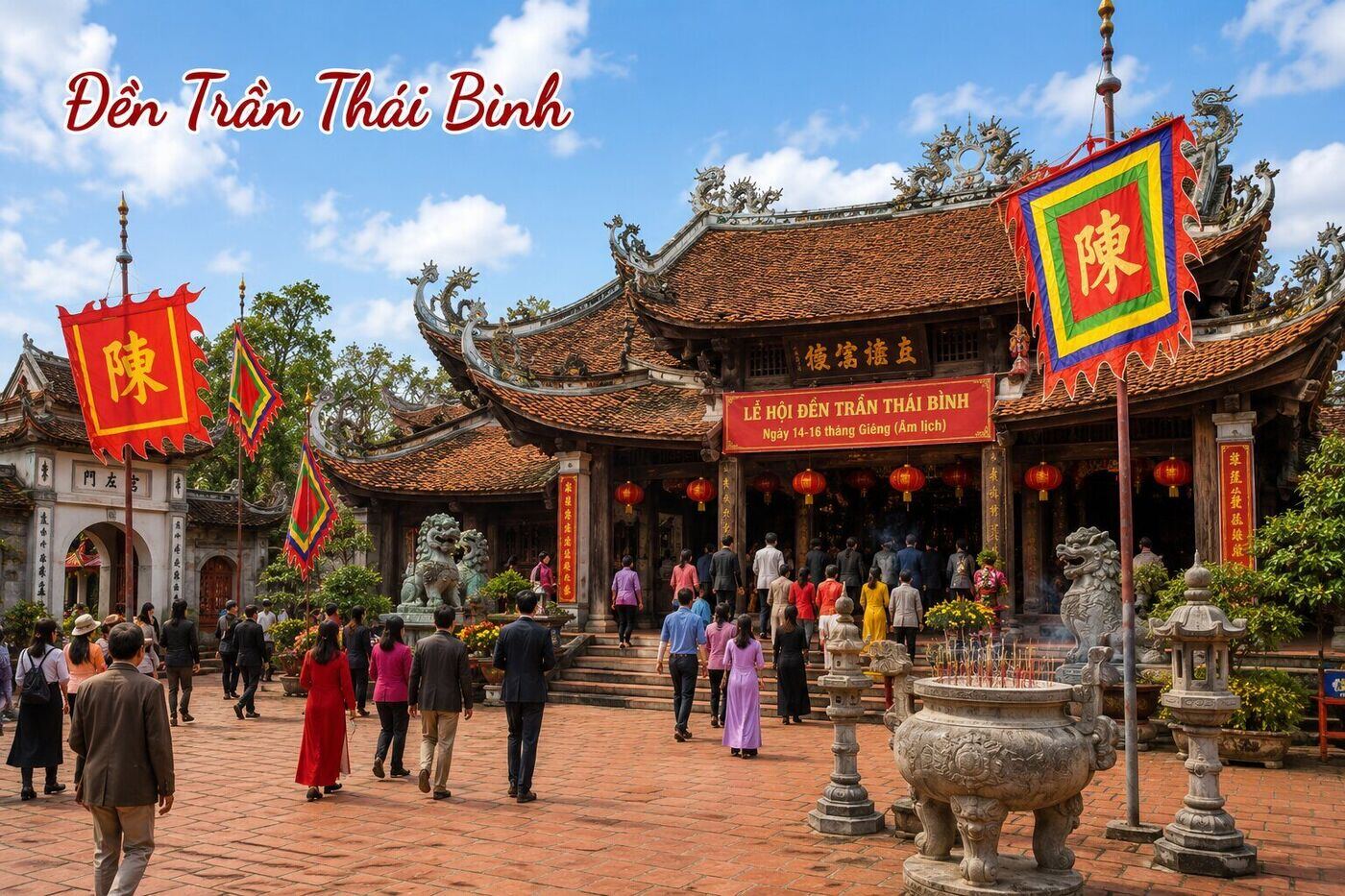
The Trần Thái Bình Temple Complex (also known as the Origin of the Trần Dynasty Relic Area) is located in Tiến Đức commune, Hưng Hà district (former Thái Bình, now part of Hưng Yên). This is the Long Hưng region — the birthplace of the Trần dynasty (1225 – 1400), the dynasty that defeated the Mongol invaders three times. The complex is classified as a Special National Relic and includes: Trần Temple dedicated to the Trần kings, the tombs of Trần Thái Tông and Trần Thánh Tông, the temple dedicated to Grand Chancellor Trần Thủ Độ — who was instrumental in establishing the Trần dynasty, and Thiên Hưng Pagoda. The 5-hectare area is situated amidst green rice fields, and the temple's architecture combines traditional and modern elements after multiple renovations. The festival takes place annually on the 13th day of the 1st lunar month with a solemn Seal Opening ceremony.
Things to do: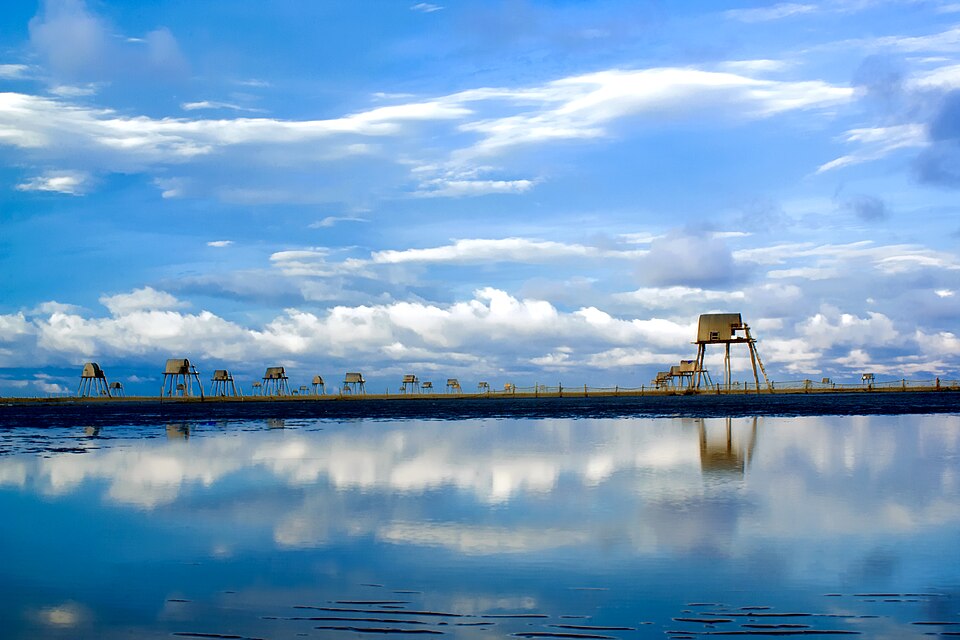
Đồng Châu Beach is located in Đông Minh commune, Tiền Hải district (former Thái Bình, now part of Hưng Yên), 30 km east of Thái Bình city. This is the only beach in Thái Bình — unlike beaches in Central Vietnam, Đồng Châu is an alluvial beach, so the sand is mixed with mud, the water is slightly murky but very rich in marine plankton. Therefore, Đồng Châu seafood is incredibly abundant and cheap: clams, oysters, shrimp, fish, don — prices are only one-third of other tourist beaches. Visitors to Đồng Châu mainly come to eat fresh seafood at the stalls along the beach and watch the sunrise — the sun rising over the calm sea is incredibly impressive. Nearby is Cồn Vành — a pristine sandbar in the sea, where hundreds of migratory bird species overwinter.
Things to do: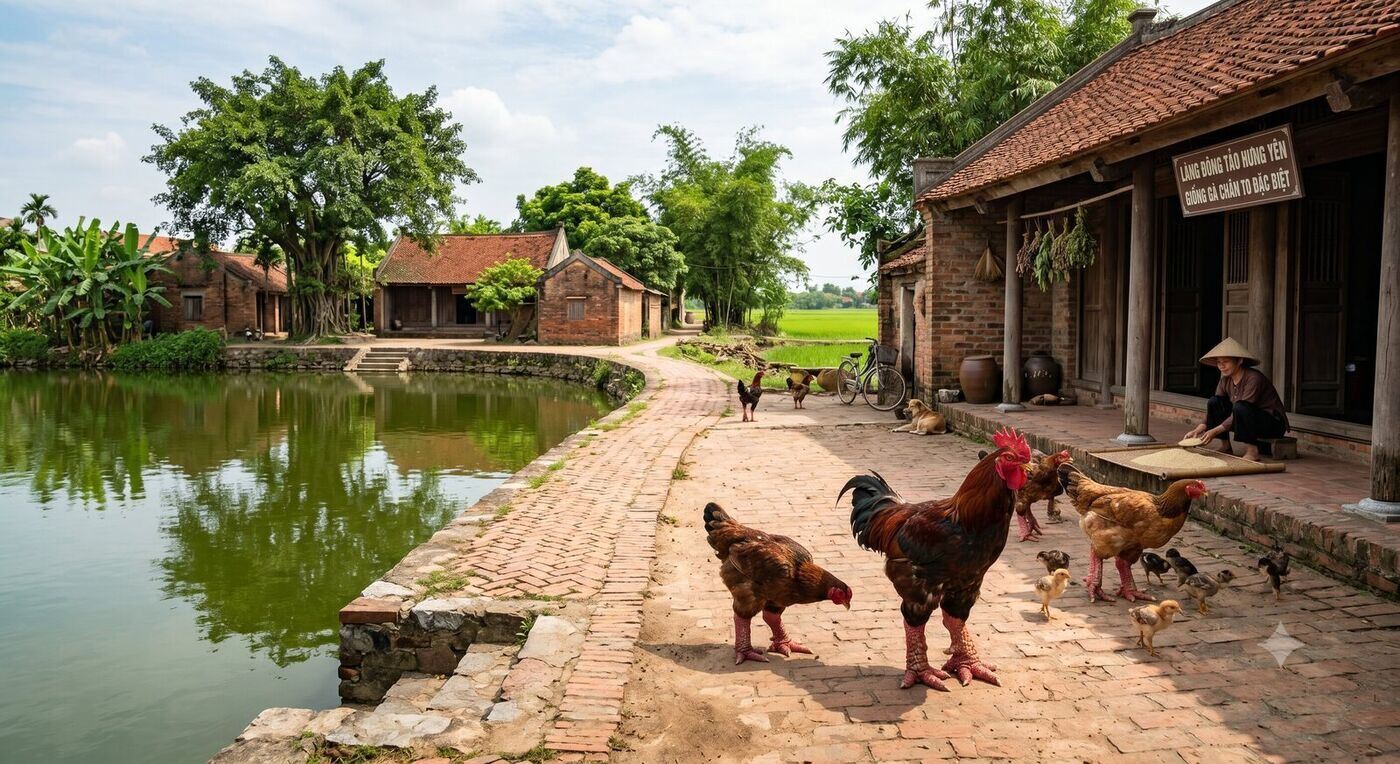
Đông Tảo village is located in Đông Tảo commune, Khoái Châu district, 20 km north of Hưng Yên city. This is the only place in the world that raises the Đông Tảo chicken breed — a rare chicken breed characterized by large feet like an elephant's, smooth feathers, delicious meat, weighing 4 – 6 kg/bird. Đông Tảo chickens were once 'royal tribute chickens' during feudal times — offered to the imperial court every Tết. Currently, purebred Đông Tảo chickens cost 2 – 5 million VND/bird, and beautiful show chickens can fetch up to 20 – 30 million VND. The village also organizes a Đông Tảo Chicken Competition during Tết, attracting chicken breeders from all over the country. In addition to chickens, Đông Tảo has an ancient communal house and a traditional craft of making conical hats. Visitors can tour chicken farms and eat authentic Đông Tảo chicken at restaurants in the village.
Things to do: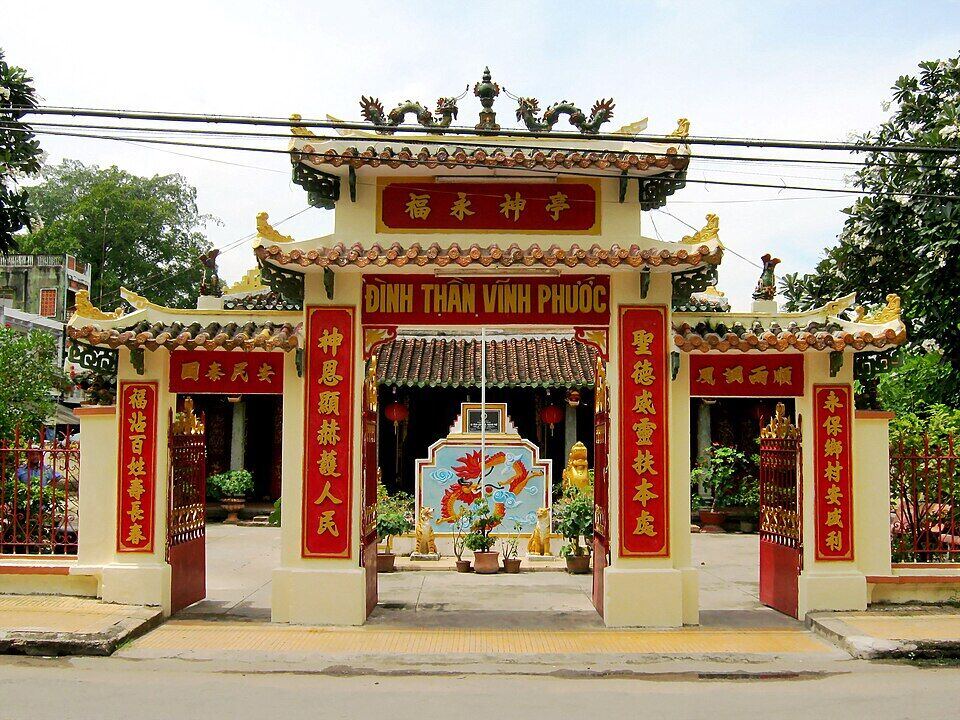
Đông Hưng district (former Thái Bình, now part of Hưng Yên) is recognized as the 'cradle' of Vietnamese Chèo art — a traditional theatrical form characteristic of Northern Vietnam, listed by UNESCO as an Intangible Cultural Heritage in Need of Urgent Safeguarding. Cổi Pagoda in Nguyên Xá commune is where, according to legend, Ms. Phạm Thị Trân — the Ancestor of Chèo — taught singing and performing from the 10th century during the Đinh dynasty. The Đông Hưng area still preserves many original Chèo troupes with artisans who teach ancient tunes: sa mạc, hề mồi, đào liễu. Besides Chèo, Đông Hưng is famous for the Nguyễn bánh cáy craft village — a specialty for over 200 years, and the Nguyên Xá water puppetry village with its ancient communal water puppet stage (thủy đình). Visitors can experience watching Chèo at the communal hall, watching water puppetry, and buying handmade bánh cáy.
Things to do:According to Resolution 202/2025/QH15, the new Hưng Yên was merged from the former Hưng Yên province and Thái Bình province. Effective from July 1, 2025.
In Hưng Yên city — the former provincial capital of Hưng Yên, 64 km southeast of Hà Nội.
Phố Hiến is located in Hưng Yên city — an ancient trading port quarter from the 16th – 17th centuries with over 100 relics, ranked as a Special National Relic.
From July to August annually. The main longan growing areas are in Hưng Yên city and Tiên Lữ, Khoái Châu districts. Visitors can pick longans directly from the garden.
Approximately 64 km — via National Highway 5A or the Hà Nội – Hải Phòng expressway, turning off at Hưng Yên, about 1h – 1h15 by car. To Thái Bình is an additional 50 km (totaling about 2h).
Chùa Keo (Thần Quang Tự), built in 1632, is a Special National Relic with a three-story wooden bell tower 11.04 m high — a masterpiece of wooden architecture not using iron nails, considered the most beautiful in Northern Vietnam.