Sơn La Province
Green Tây Bắc — Mộc Châu plateau and Tà Xùa cloud paradise
Northern Vietnam · Northwest
Green Tây Bắc — Mộc Châu plateau and Tà Xùa cloud paradise
Northern Vietnam · Northwest
Sơn La province will retain its current boundaries after the 2025 merger, not consolidating with any other province according to Resolution 202/2025/QH15. With an area of 14,108.89 km², Sơn La is the third largest province in the country by area, located on the Tây Bắc plateau with rolling hills and mountains and a mild climate year-round. This is the land of 12 ethnic groups — primarily Thái, Mông, Mường — with a vibrant cultural heritage: the Hoa Ban festival in March, Mộc Châu love market, and Thái villages that still preserve traditional lifestyles. Tourism in Sơn La is diverse: from the white mustard flower fields of Mộc Châu plateau, cloud hunting in Tà Xùa, the Sơn La prison historical site, to the Sơn La hydroelectric lake — the largest hydroelectric project in Southeast Asia.
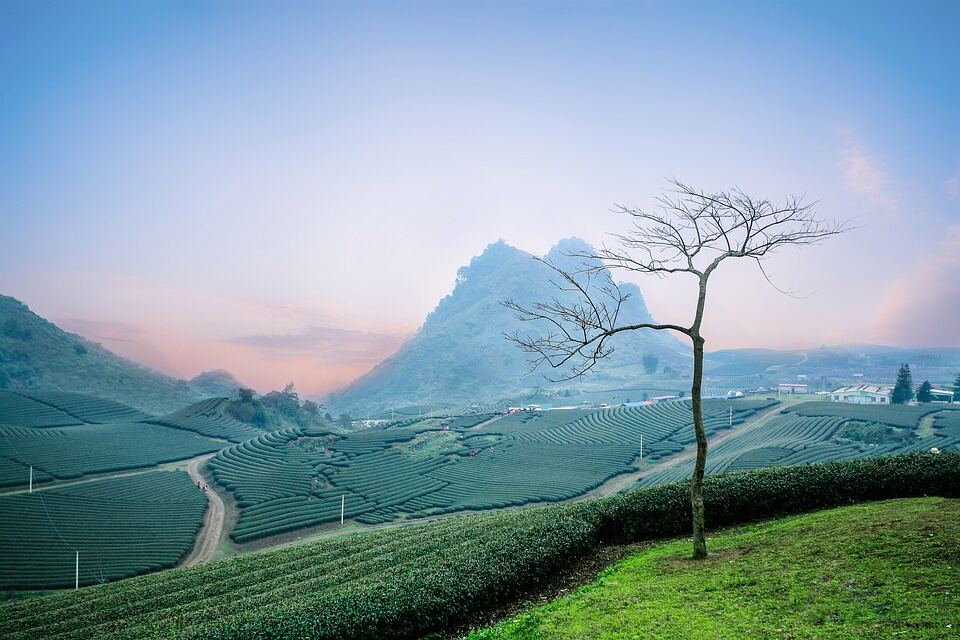
Mộc Châu is a plateau at an altitude of over 1,000 m in the Tây Bắc region, about 200 km from Hà Nội via National Highway 6. Its cool climate year-round makes it known as the 'Đà Lạt of Tây Bắc'. Mộc Châu is famous for its sprawling heart-shaped tea hills, pristine white mustard flower fields every winter, and plum and peach blossom forests that bloom every spring. The Thái and Mông people live in many villages around the town, creating a rich cultural space — along with specialties like bê chao (stir-fried veal) and Mộc Châu fresh milk, which have built the brand of this land.
Things to do: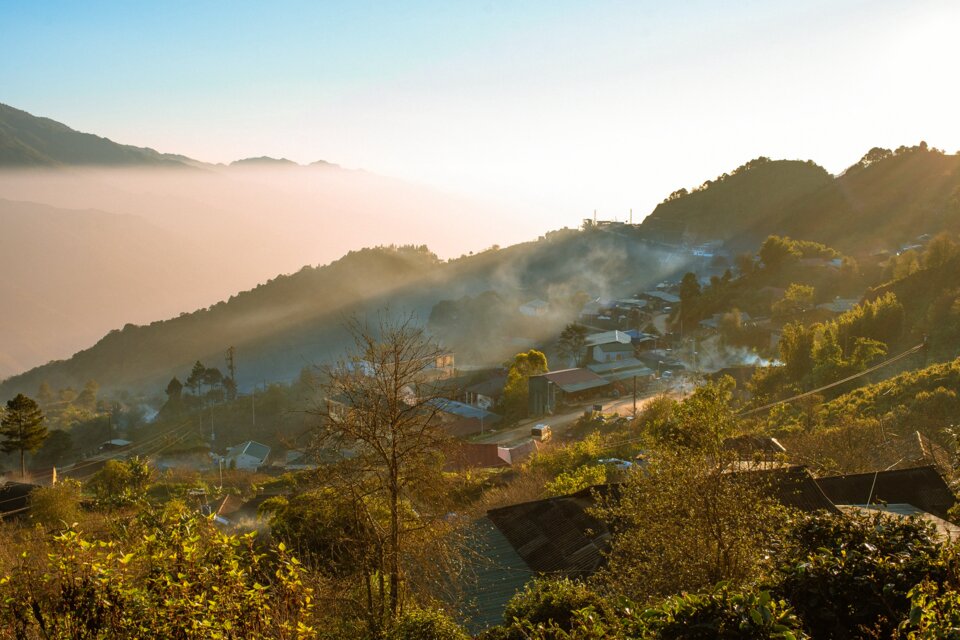
Tà Xùa is a cluster of mountains located on the former border of Sơn La and Yên Bái, in Bắc Yên district, with a peak nearly 2,000 m above sea level — ranking tenth among the highest mountains in Vietnam. This is one of the most beautiful cloud hunting spots in the Northwest, dubbed 'cloud paradise' by backpackers. Rolling seas of clouds right below, the 'dinosaur spine' winding along the mountain ridge, the lonely tree standing isolated amidst the sea of clouds — Tà Xùa was once a symbol for a generation of Vietnamese backpackers. Visitors can ride motorbikes to the summit and stay in Hmong homestays in the high-altitude villages.
Things to do: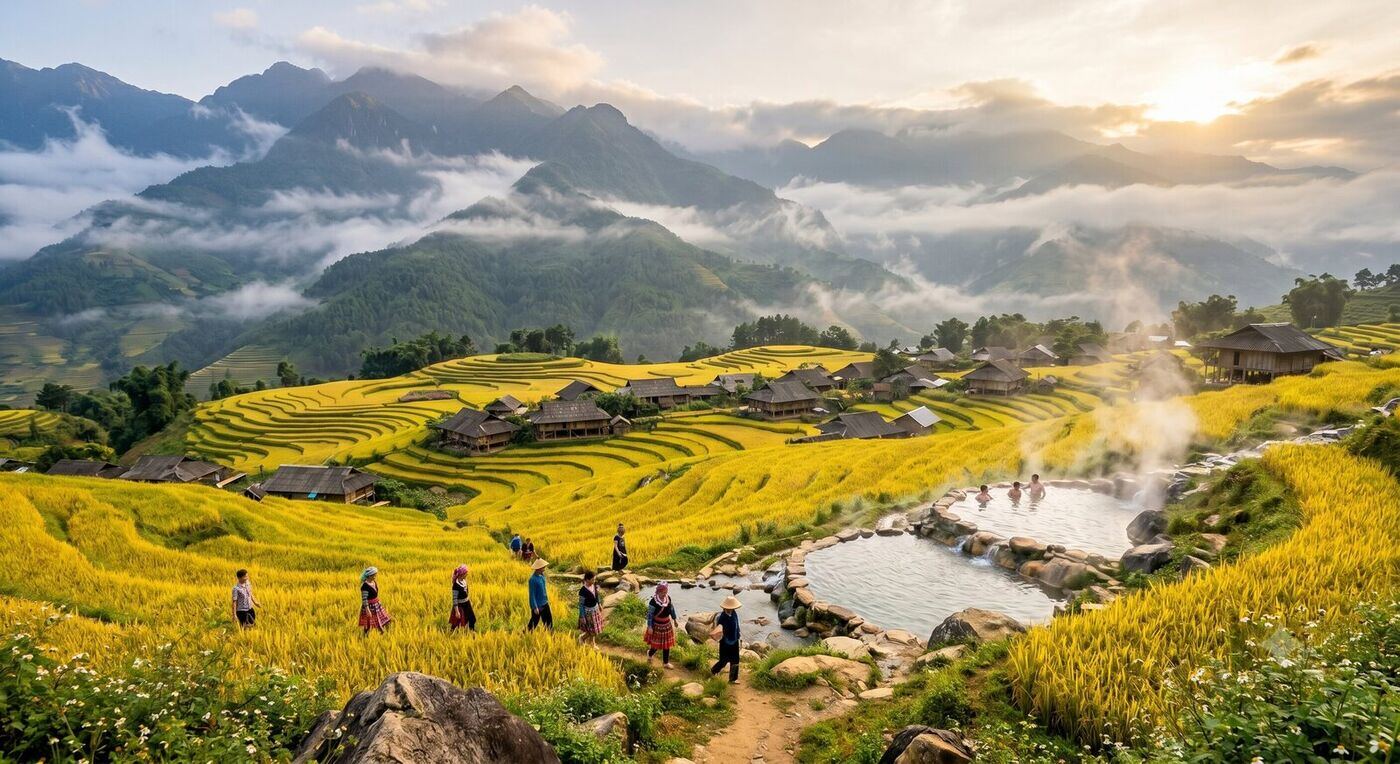
Ngọc Chiến is a highland commune in Mường La district, Sơn La, located at an altitude of about 1,800 m above sea level. This land is gradually becoming known for its natural hot springs that flow year-round, terraced fields winding along the mountainsides, and Hmong and Thái villages that still retain their pristine way of life. Unlike Mộc Châu or Tà Xùa, which are already very crowded, Ngọc Chiến currently remains a quiet 'gem' — suitable for those who want to escape the city and enjoy the fresh air and indigenous culture.
Things to do: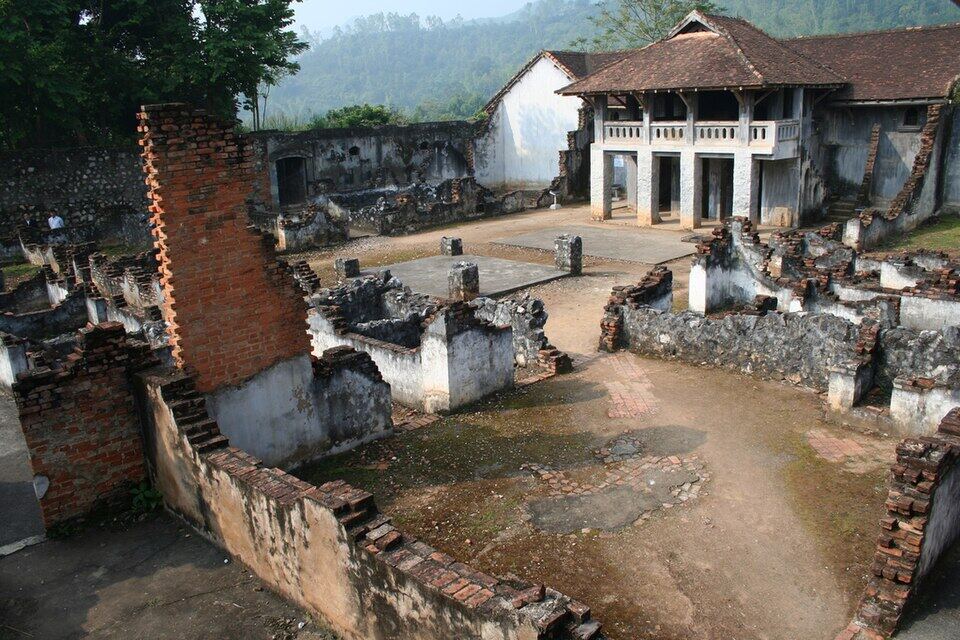
Sơn La Prison was built by the French colonialists in 1908 on top of Khau Cả hill, right in the center of Sơn La city. This was once a place of detention for thousands of communist soldiers — including many future leaders of Vietnam such as Tô Hiệu, Lê Duẩn, Trường Chinh, Văn Tiến Dũng. The harsh climate and strict prison regime earned it the nickname 'hell on earth'. After being damaged by bombs and bullets multiple times, the relic was restored and became a place for traditional education. The Tô Hiệu peach tree — planted in prison in 1944 — still stands, becoming a symbol of indomitable spirit.
Things to do: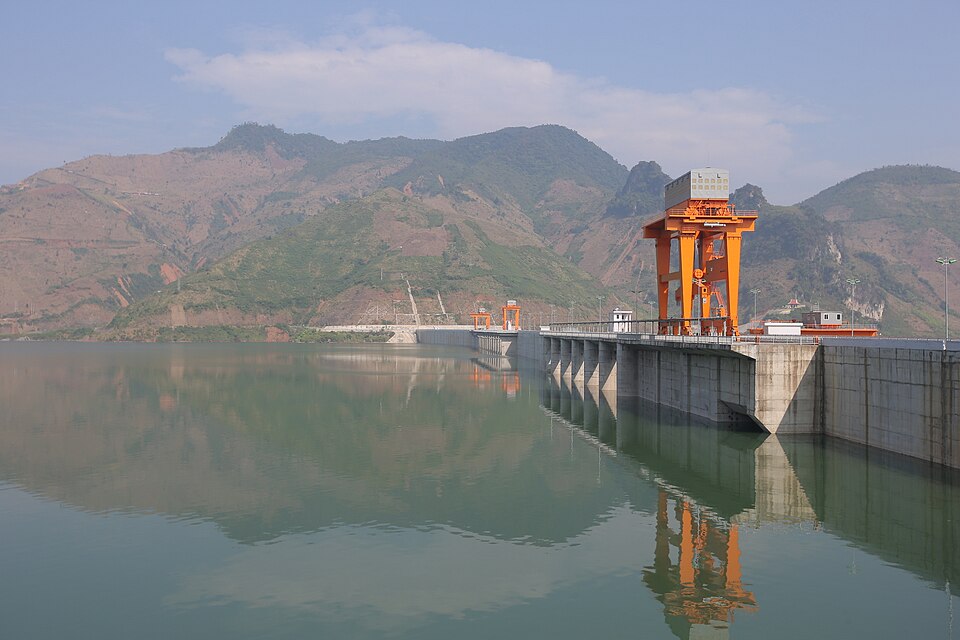
Sơn La Hydropower Lake is the reservoir of the Sơn La Hydropower Plant — Southeast Asia's largest hydropower project, inaugurated in 2012 with a capacity of 2,400 MW. The reservoir stretches across the districts of Mường La, Quỳnh Nhai, Thuận Châu, creating a vast expanse of water amidst the mountains and forests of the Northwest. Boating on the lake is a unique experience — with towering cliffs on both sides, occasionally encountering Thái resettlement villages that retain their traditional way of life. Pá Uôn Bridge, spanning the lake in Quỳnh Nhai, has a pier 130 m high — among the tallest in Vietnam.
Things to do: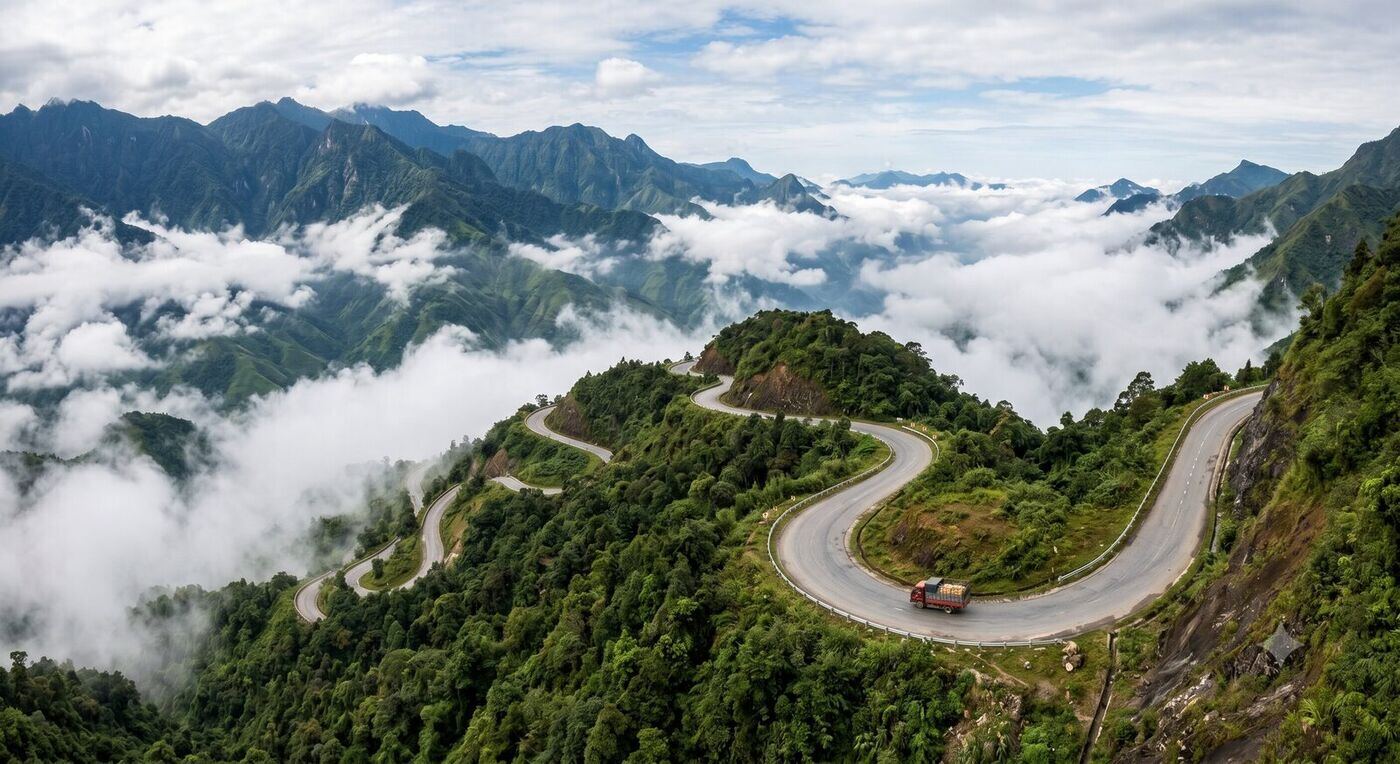
Pha Đin Pass is one of the four great mountain passes of Northwest Vietnam, about 32 km long on National Highway 6 connecting Sơn La province with Điện Biên. The peak of the pass is at an altitude of about 1,000 m. In the Thái language, 'Pha Đin' means 'sky and earth' — where the pass peak meets the clouds. Pha Đin Pass is associated with the Điện Biên Phủ campaign in 1954, when tens of thousands of civilian laborers and youth volunteers carried ammunition and food over the pass under bomb rain. Today, the pass has been widened and is smoother than before, a favorite route for backpackers on their way to Điện Biên.
Things to do:Sơn La province retains its boundaries and does not merge with any other province. Area 14,108.89 km², population 1,404,587 people, administrative center remains in Sơn La city.
Via National Route 6, the distance is ~200 km, taking 4–5 hours by car. The Hoà Lạc – Hoà Bình Expressway shortens the first 30–40 minutes of the journey.
Mộc Châu is a 1,000 m plateau with tea hills, flower fields, and mass tourism. Tà Xùa is a mountain range nearly 2,000 m high, known for cloud hunting, suitable for backpackers and those willing to wake up at 4–5 AM.
License plate prefix 26, phone area code 0212. Documents issued before the merger remain valid.
October–April: dry season, little rain, good for cloud hunting and viewing flowers. May–June: plum season. September–October: ripe rice season in Ngọc Chiến and other valleys.
Natural hot springs right in the village, terraced fields, cool air year-round, and still few tourists — suitable for those who truly want to escape the city.