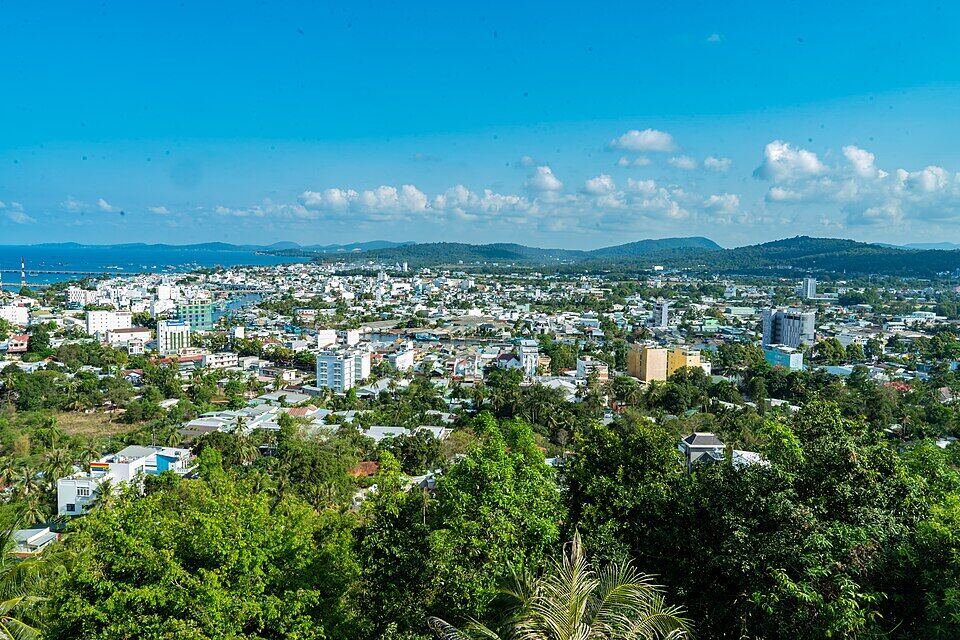
An Giang Province
Gateway to the Mekong Delta — đảo Phú Quốc and the sacred Bảy Núi.
Southern Vietnam · Mekong Delta
Gateway to the Mekong Delta — đảo Phú Quốc and the sacred Bảy Núi.
Southern Vietnam · Mekong Delta
New An Giang was established under Resolution 202/2025/QH15 based on the merger of the two former provinces, An Giang and Kiên Giang. With an area of 9,888.91 km² and a population of 4,952,238, it is the province with the largest population in the Mekong Delta region. The administrative center is located in Rạch Giá city (former Kiên Giang) — a type II urban area on the Western coast. After the merger, An Giang is the province with the most diverse tourism ecosystem in the Mekong Delta: from the pearl island of Phú Quốc – a special administrative zone directly under the province – the cluster of sacred Bảy Núi mountains (Núi Cấm, Núi Sam, Núi Két) with Miếu Bà Chúa Xứ Núi Sam, dubbed 'Vietnam's largest pilgrimage festival', to Trà Sư cajuput forest and the Western sea region of Hà Tiên – Nam Du. An Giang also possesses three special administrative zones: Phú Quốc, Kiên Hải, and Thổ Châu — all of which are archipelagos valuable for tourism and national defense.
Phú Quốc is Vietnam's largest island, with an area of 593 km², located off the coast of the Gulf of Thailand — after its merger, it became a special zone directly under An Giang province. The island has over 150 km of coastline with famous beaches: Bãi Sao, Bãi Khem, Bãi Trường, Bãi Dài, Bãi Ông Lang. Phú Quốc National Park, covering 31,000 ha, occupies more than half of the island's area and was recognized by UNESCO as a World Biosphere Reserve in 2006. Phú Quốc is Vietnam's most luxurious resort hub with a series of international 5-star resorts: JW Marriott Emerald Bay, InterContinental, Salinda, Mövenpick, Premier Village Phu Quoc, Vinpearl Phú Quốc, Sun Premier Village. The Hòn Thơm cable car, 7,899.9 m long, is the world's longest sea-crossing cable car, connecting An Thới with Hòn Thơm island in just 15 minutes. The island also features Corona Casino — Vietnam's first casino allowing Vietnamese citizens to play (with conditions).
Things to do: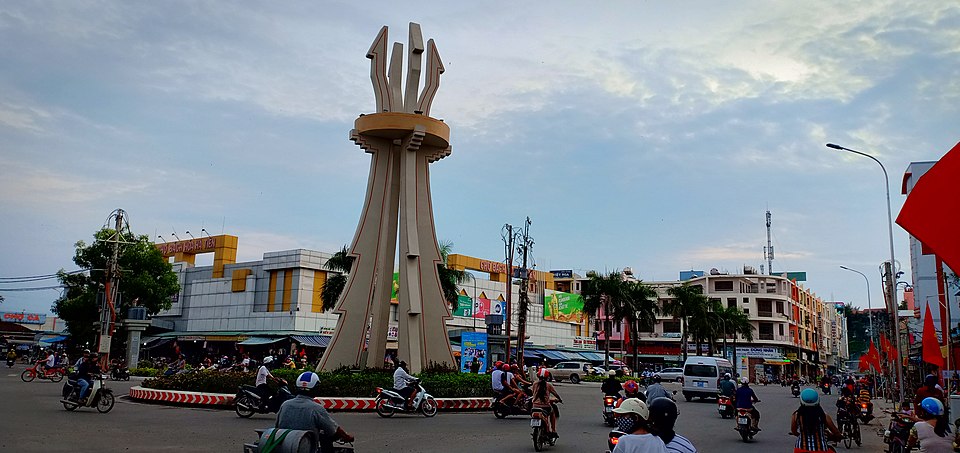
Hà Tiên is a southwestern coastal town, bordering Cambodia, about 95 km from Rạch Giá. It is famous for the 'Thập cảnh Hà Tiên' (Ten Scenes of Hà Tiên), named by Mạc Thiên Tích — the second Mạc lord — in the 18th century, including núi Tô Châu, đảo Phú Tử, đầm Đông Hồ, núi Bình San, Lăng Mạc Cửu, núi Đá Dựng, bãi Mũi Nai... The 3 km long Mũi Nai beach is the main resting spot for tourists, featuring a thrilling slide system down to the sea and the most beautiful sunset viewing road in the Mekong Delta. Hà Tiên is also an international border gate to Kep – Kampot (Cambodia) and the main ferry terminal to Phú Quốc. Hà Tiên center still preserves chùa Tam Bảo, chùa Phù Dung, and dinh thự Mạc Cửu — relics of the Mạc family's 'heavenly realm in Trấn Hà Tiên' era.
Things to do: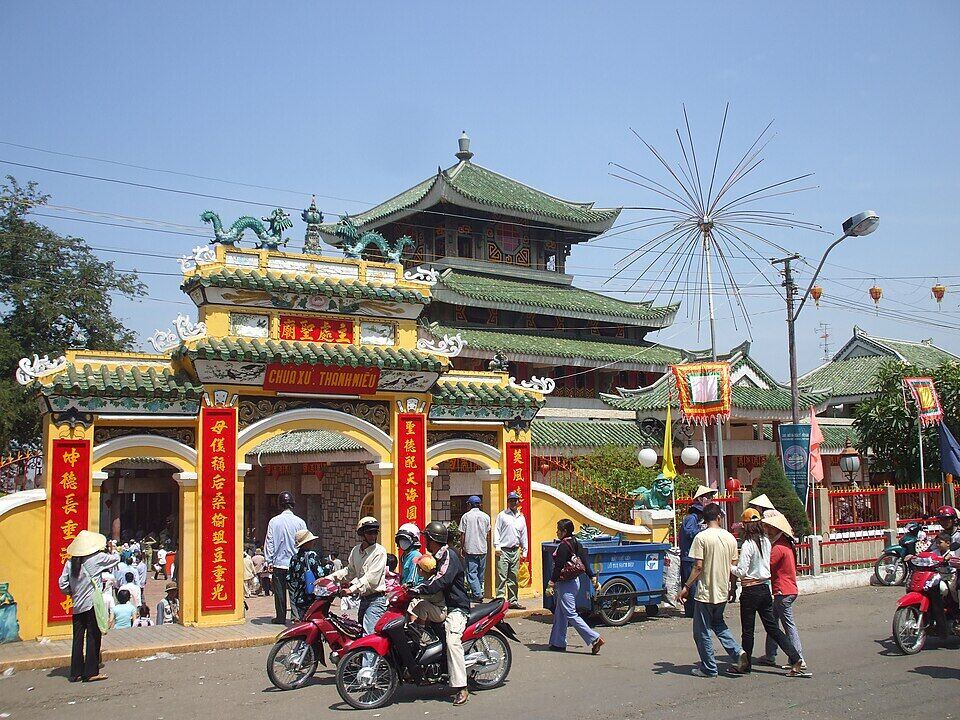
Miếu Bà Chúa Xứ Núi Sam is located at the foot of núi Sam, Châu Đốc city — now part of An Giang province. The temple worships Bà Chúa Xứ, the most revered deity by people in the Southern region, and is classified as a National Relic. The Vía Bà Chúa Xứ Festival is held annually from the 23rd to the 27th day of the 4th lunar month, recognized as a National Festival and a Representative Intangible Cultural Heritage of Humanity by UNESCO in 2024 — it is one of the largest pilgrimage festivals in Vietnam, attracting over 5 million visitors. Châu Đốc is also famous for the largest fish sauce market in the Mekong Delta, the Châu Đốc floating village of the Cham Islam people, and Trà Sư cajuput forest 25 km from the center. The Núi Sam spiritual tourism complex also includes Lăng Thoại Ngọc Hầu — the mandarin credited with digging the Vĩnh Tế canal, Chùa Tây An, and Chùa Hang.
Things to do: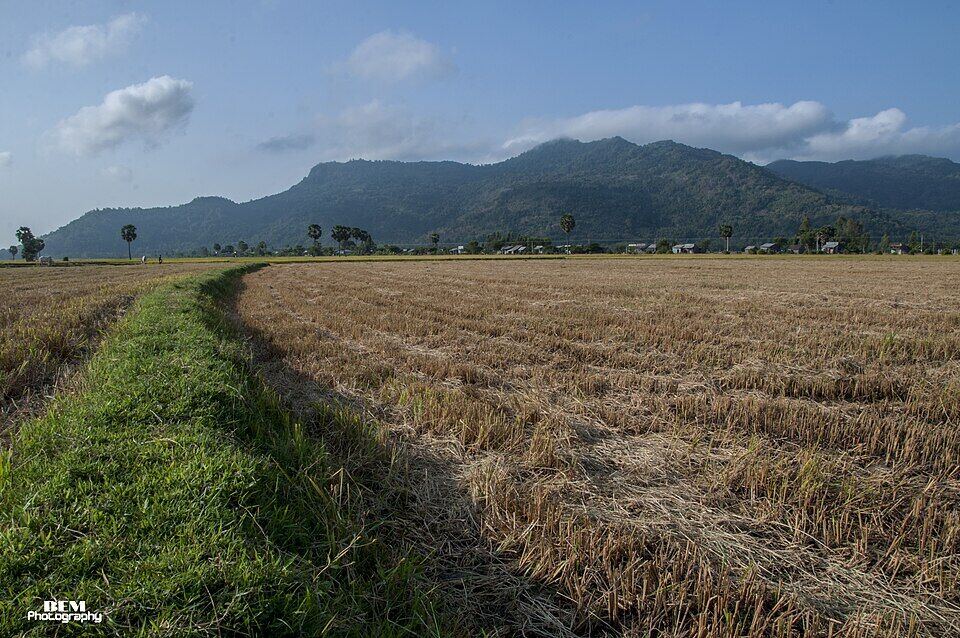
Núi Cấm (Thiên Cấm Sơn), 705 m high, located in An Hảo commune, Tịnh Biên district, is the highest peak in the Bảy Núi (Thất Sơn) cluster and is considered the "rooftop" of the Southwest region. The mountain is associated with the Hoà Hảo and Tứ Ân Hiếu Nghĩa religious beliefs. At the summit is a spiritual tourism complex with Chùa Phật Lớn, Chùa Vạn Linh, and notably the 33.6 m high Maitreya Buddha statue — recognized by the Asia Book of Records as the largest Maitreya Buddha statue in Asia. There are two ways to ascend the mountain: the 3,461 m long Núi Cấm cable car (10 minutes, with panoramic views of the delta all the way to the Cambodian border) or by shuttle bus along an 8 km paved road. On the mountain, there is Hồ Thuỷ Liêm and many small streams, with a cool climate year-round, approximately 20 – 25°C. The Bảy Núi area is also where reclusive monks perform their 'tu' (religious practice) rituals.
Things to do: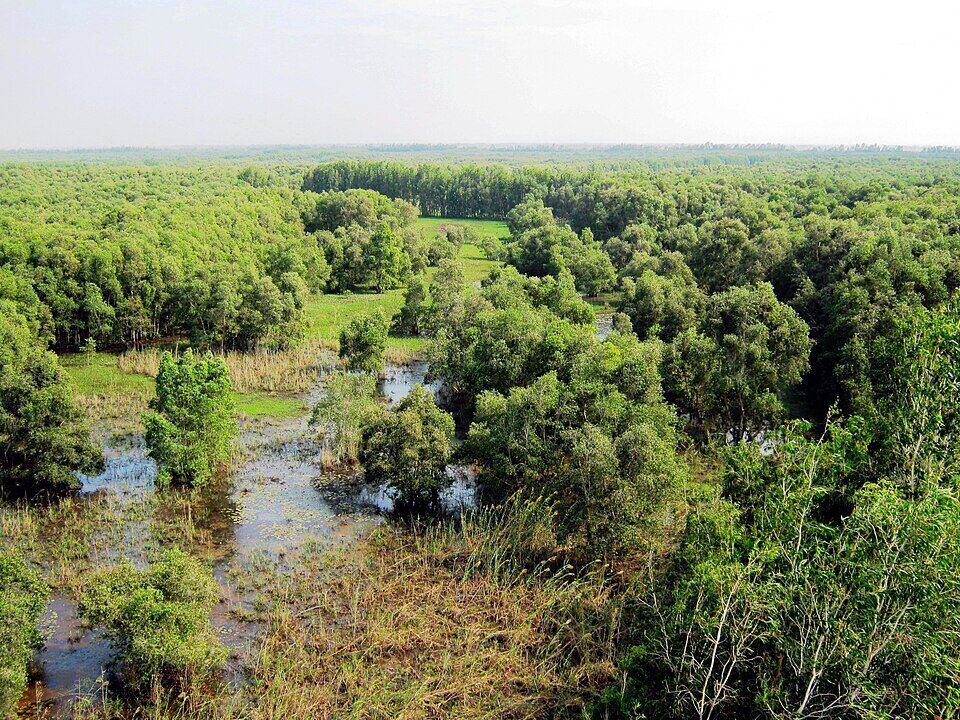
Trà Sư Melaleuca forest is located in Văn Giáo commune, Tịnh Biên district, 25 km from Châu Đốc and 60 km from Long Xuyên city. This 845 ha wetland conservation area features a typical Melaleuca forest ecosystem of the Mekong Delta, home to 70 bird species, 11 mammal species, 25 reptile and amphibian species, and 140 plant species. During the flood season (September – November), the water surface is covered with duckweed, creating a vibrant green carpet — the most famous Instagrammable spot in the Mekong Delta. Visitors take a motorboat through the Melaleuca forest, then switch to a hand-rowed boat to reach the heart of the green duckweed area, and climb a 25 m high observation tower to admire the panoramic view of the Melaleuca forest blending with Núi Cấm in the distance. The area also features a 10 km long "Vạn Bước" bamboo bridge through the Melaleuca forest — a Vietnamese record holder.
Things to do: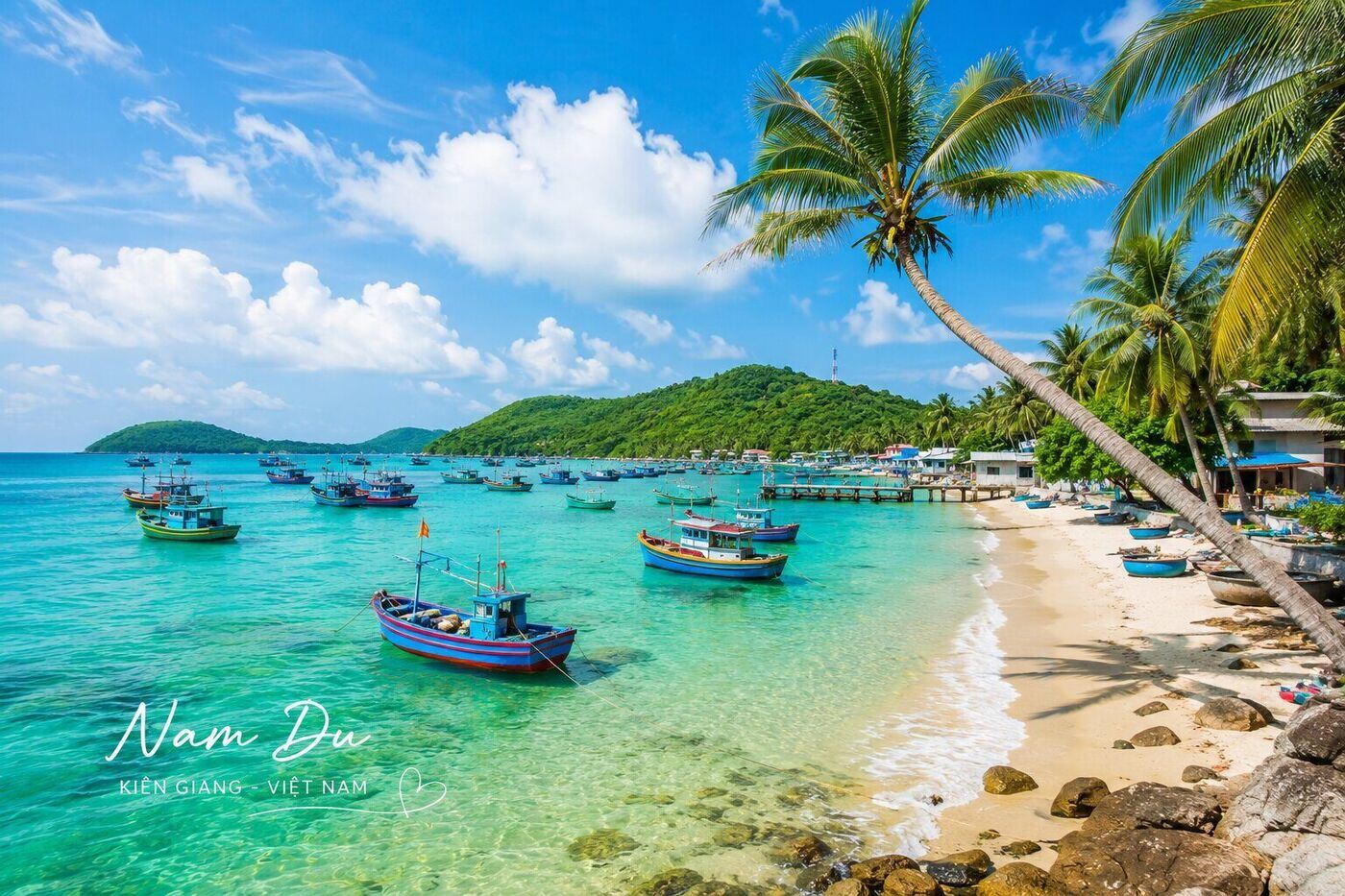
The Nam Du Archipelago consists of 21 large and small islands located in the Gulf of Thailand, 65 nautical miles from Rạch Giá — now part of the Kiên Hải special zone of An Giang province. The largest island is Hòn Lớn (Củ Tron), covering 8 km² with about 1,500 residents, and home to Nam Du lighthouse, 309 m above sea level. Nam Du has only been developed for tourism in the last 10 years, hence its landscape remains very pristine: crystal clear waters up to 5 – 8 m deep, fine white sand beaches, near-shore coral reefs, and authentic fishing villages. Tourists often stay 2 – 3 nights to explore: during the day, take a group tour to visit 5 – 7 small islands (Hòn Mấu, Hòn Đụng, Hòn Ngang, Hòn Dầu...) and snorkel to see coral; in the evening, enjoy fresh seafood at half the price of Phú Quốc at floating restaurants.
Things to do:According to Resolution 202/2025/QH15, the new An Giang province was merged from the two former provinces of An Giang and Kiên Giang. Effective from 01/7/2025.
No. After the merger, Phú Quốc became a special administrative zone directly under An Giang province. The new An Giang province also has two other special administrative zones: Kiên Hải (including Nam Du, Hòn Tre) and Thổ Châu.
In Rạch Giá city — a type II urban area on the Western coast, formerly the provincial capital of the old Kiên Giang province. Long Xuyên (former An Giang province) and Châu Đốc became regional centers in the East.
By plane: TP.HCM – Phú Quốc takes 50 minutes, with continuous flights throughout the day. By road + ferry: TP.HCM to Rạch Giá takes 4h30 by car (250 km) + Superdong speedboat takes 2h30, or to Hà Tiên takes 6 hours by car + ferry takes 1h30. Direct flights from Hà Nội to Phú Quốc take approximately 2h15.
Annually from the 23rd to the 27th day of the 4th lunar month. The festival was recognized by UNESCO as a Representative Intangible Cultural Heritage of Humanity in 2024, welcoming over 5 million pilgrims each season.
From September to November annually, the Mekong River overflows, flooding the delta. This is the best time to visit Trà Sư cajuput forest, admire the Sesbania sesban flowers, and enjoy linh fish hotpot with fermented fish sauce and braised water lily stems.