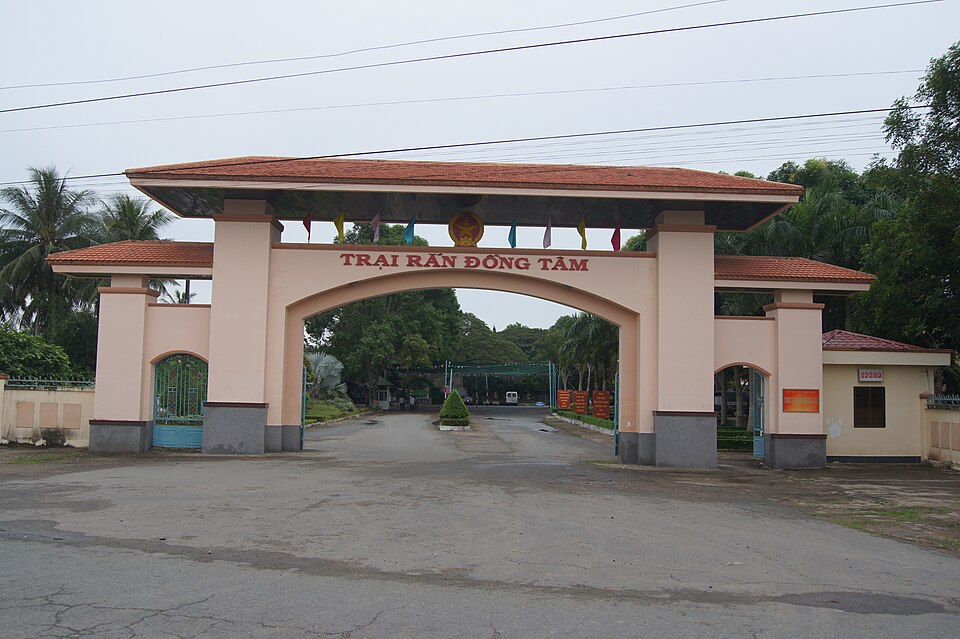
Đồng Tháp Province
Land of pink lotus — Tràm Chim and Cái Bè floating market
Southern Vietnam · Mekong Delta
Land of pink lotus — Tràm Chim and Cái Bè floating market
Southern Vietnam · Mekong Delta
The new Đồng Tháp was established under Resolution 202/2025/QH15 on the basis of merging the former Đồng Tháp province and Tiền Giang province. With an area of 5,938.64 km² and a population of over 3.36 million people, the province is located in the center of the Mekong Delta, on both sides of the Tiền River — the main branch of the Mekong River as it flows through Vietnam. The former Đồng Tháp was famous for Tràm Chim National Park — home to rare red-crowned cranes, vast fields of vibrant pink lotus in Tháp Mười, and the Nguyễn Sinh Sắc historical site (father of President Hồ Chí Minh). Tiền Giang offers Cái Bè floating market — one of the three largest floating markets in the Mekong Delta, Thới Sơn islet — Vietnam's first garden tourism model, and Tân Thành beach with its rare mudflats. The administrative center is located in Cao Lãnh city, 154 km from TP.HCM.
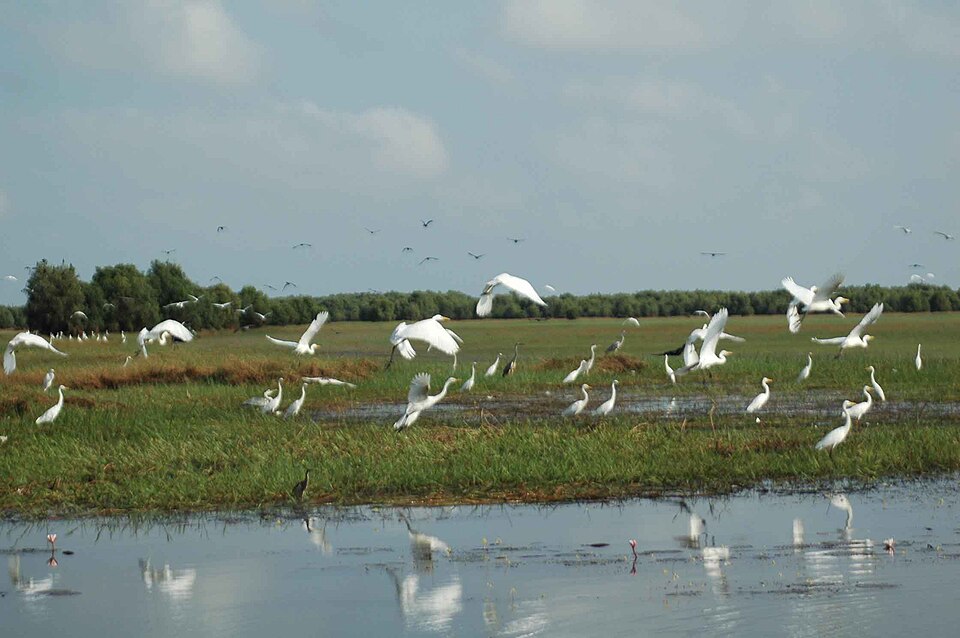
Tràm Chim National Park is located in Tam Nông district, 45 km from Cao Lãnh city. Covering 7,313 ha, it is Vietnam's 4th and the world's 2,000th Ramsar wetland (recognized in 2012). The park is home to the sarus crane (Grus antigone) — a rare bird weighing 6 – 8 kg with a wingspan of 2.5 m, migrating from Cambodia each dry season (December – May). The ecosystem includes flooded grasslands, melaleuca forests, lotus, and 231 bird species (32 of which are rare). Visitors can take a motorboat through canals amidst the grasslands, observing flocks of cranes, storks, and herons; climb a 15 m high observation tower for panoramic views.
Things to do: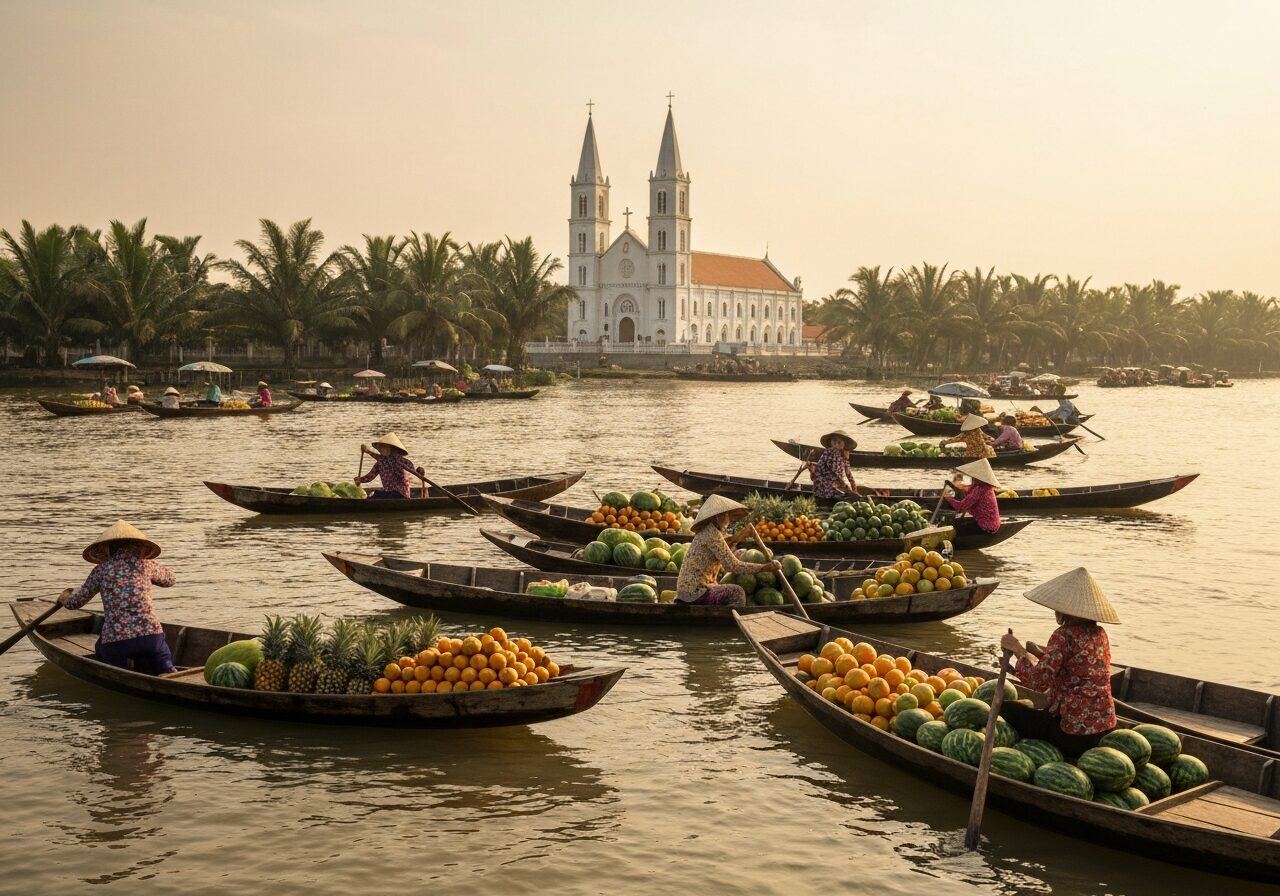
Cai Be Floating Market is located in Cái Bè district (former Tiền Giang, now part of Đồng Tháp province), right at the confluence of the Tiền River — one of the three largest floating markets in the Mekong Delta (along with Cái Răng and Phụng Hiệp). The market operates from 3 AM until noon, with hundreds of large and small boats anchored, selling fruits, agricultural products, and food. Each boat hangs a 'bẹo' (a wooden pole with a sample of goods) at its bow so buyers know what the boat sells without needing to ask. Visitors can navigate small boats between the larger ones, buy fruits to eat on the spot, drink coffee on the river, and observe the most authentic pace of life in the Mekong Delta. From the floating market, one can continue to fruit islets: cù lao An Bình, cù lao Tân Phong — with longan, rambutan, and durian orchards interspersed among local houses.
Things to do: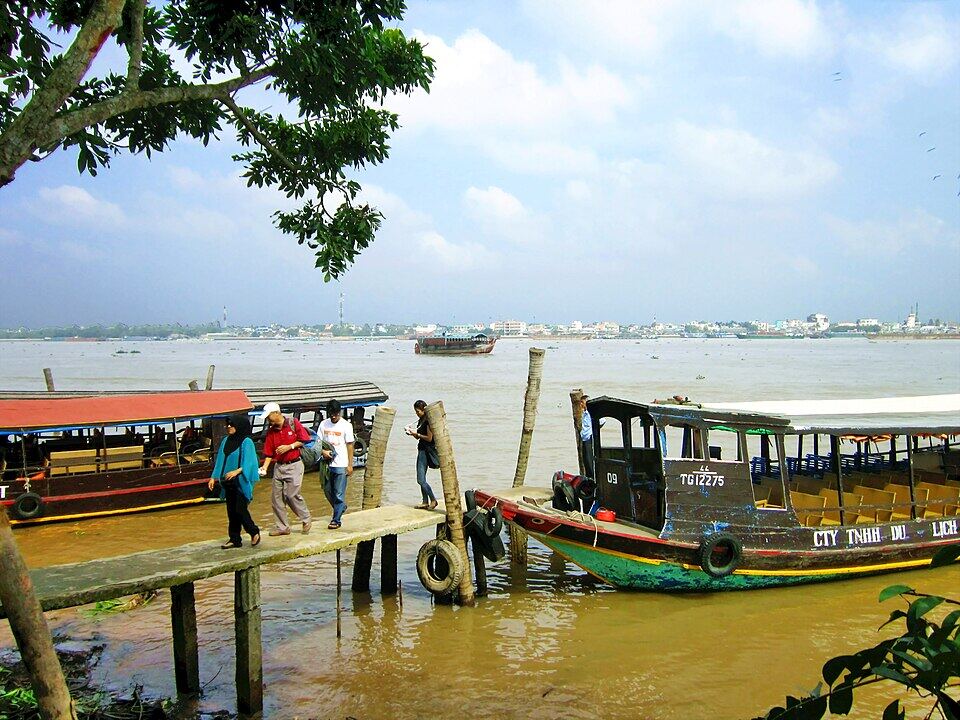
Cù lao Thới Sơn is a small islet in the Tiền River, belonging to Mỹ Tho city (former Tiền Giang, now part of Đồng Tháp). With an area of 700 ha, this is where Vietnam's garden tourism model began in the 1990s and remains the most popular tourist destination in the Mekong Delta (over 1 million visitors/year). Visitors take a boat to the islet, then a 'xuồng ba lá' (sampan) through the nipa palm canals — an iconic experience of Mekong Delta tourism; visit fruit orchards to eat on the spot (longan, rambutan, mango, jackfruit, pomelo); listen to 'đờn ca tài tử' — a UNESCO Intangible Cultural Heritage 2013; and enjoy honey tea and handmade coconut candy. The islet also has a pier for visiting three other islets: Phụng (Dragon Islet), Long, and Quy.
Things to do: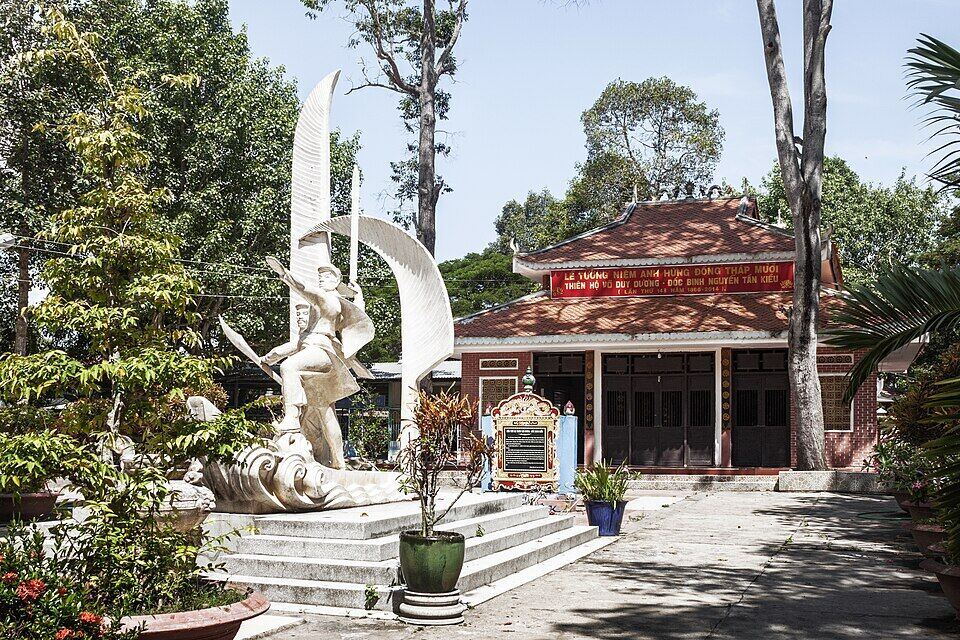
Đồng Tháp is known as the 'land of pink lotuses' — and Đồng sen Tháp Mười in Tháp Mười district is the largest concentration of lotuses in the Mekong Delta, covering hundreds of hectares. The lotus blooms from June to August, with the entire field glowing pink from early morning — in the afternoon, the lotus closes its petals, so it's best to go early from 5 AM – 8 AM. Visitors can take a sampan through the lotus fields, take photos with lotuses, and harvest lotuses with farmers. Đồng Tháp lotus products have become a brand: lotus-infused tea, dried lotus seeds, lotus milk, lotus rice, lotus wine. The Đồng Tháp Lotus Festival, held annually in May – June, is the province's largest tourism event. Near the lotus field is the Gò Tháp relic site — the capital of the Funan Kingdom from the 1st – 6th centuries, a Special National Relic.
Things to do: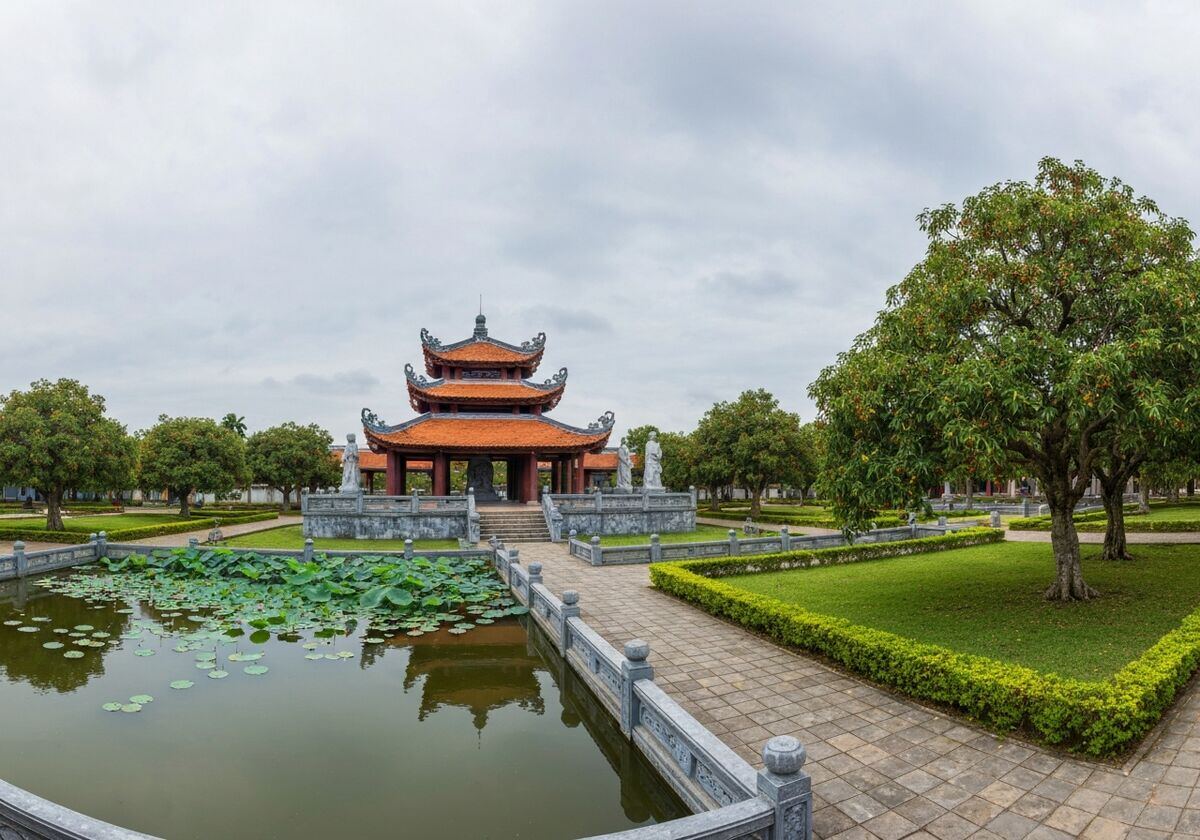
The Nguyen Sinh Sac Relic Area is located right in the center of TP Cao Lãnh, classified as a Special National Relic. Mr. Nguyen Sinh Sac (1862 – 1929) was the father of President Ho Chi Minh — a Phó bảng (second-rank mandarin) of the nhà Nguyễn dynasty, who resigned from his official post and lived a simple life in Cao Lãnh until his death. The complex includes the tomb of Mr. Nguyen Sinh Sac, respectfully built in a 3-hectare area — designed in the shape of a lotus, following the Đồng Tháp lotus theme; a memorial house displaying artifacts, calligraphy, and documentary photos about his life; and a lotus garden surrounding it. This is an important pilgrimage site — every year hundreds of thousands of visitors come to offer incense, especially on May 19 (Uncle Ho's birthday) and November 27 (the anniversary of his death).
Things to do: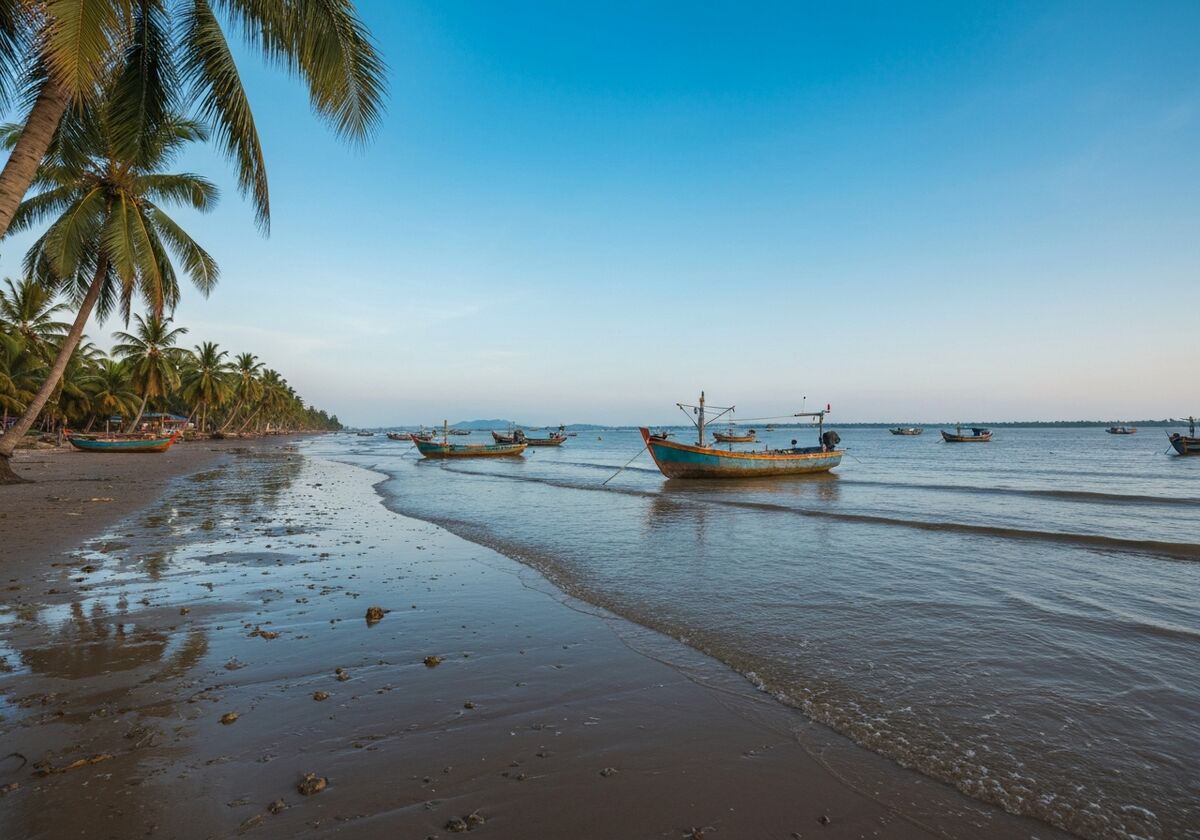
Tân Thành beach is located in xã Tân Thành, huyện Gò Công Đông (former Tiền Giang, now part of Đồng Tháp), 50 km from TP Mỹ Tho. This is an alluvial beach formed at the mouth of the Tiền River flowing into the East Sea — completely different from sandy beaches: the seabed is fine mud, the water is slightly turbid due to alluvium but extremely rich in organisms. Tân Thành is famous for its clams (nghêu) — the Tân Thành clam bed spans thousands of hectares, with the largest output in the South. Visitors can go to the mudflats to catch clams with fishermen, buy fresh clams for 20,000 – 40,000 VNĐ/kg, and eat them boiled, stir-fried, or grilled right at the seaside restaurants. Tân Thành beach also has a 500 m long pier extending into the sea — an impressive spot to watch the sunrise over the calm sea.
Things to do:According to Resolution 202/2025/QH15, the new Đồng Tháp province was merged from the former Đồng Tháp province and Tiền Giang province. Effective from 01/7/2025.
In Cao Lãnh city — the former provincial capital of Đồng Tháp, 154 km from Ho Chi Minh City. Mỹ Tho city (former Tiền Giang) becomes the regional center in the East.
After the merger, Cái Bè floating market belongs to the new Đồng Tháp province. This is one of the three largest floating markets in the Mekong Delta (along with Cái Răng – Cần Thơ and Phụng Hiệp).
To Mỹ Tho 70 km (Trung Lương expressway, 1h). To Cao Lãnh 154 km (expressway + National Route 30, 2h30). To Tràm Chim 200 km (3h30). There is no airport, travel by car or bus.
December to May (dry season) — cranes migrate from Cambodia. Peak in February – March, flocks of 20 – 30 can be seen. Go early 5h – 7h AM, bring binoculars.
Hủ tiếu Mỹ Tho has small, chewy noodles, clear sweet pork bone broth, with shrimp + lean pork + liver + offal. Hủ tiếu Nam Vang has larger, softer noodles, and the broth has a dried shrimp and chive flavor. Each type has its own taste — Mỹ Tho is lighter.