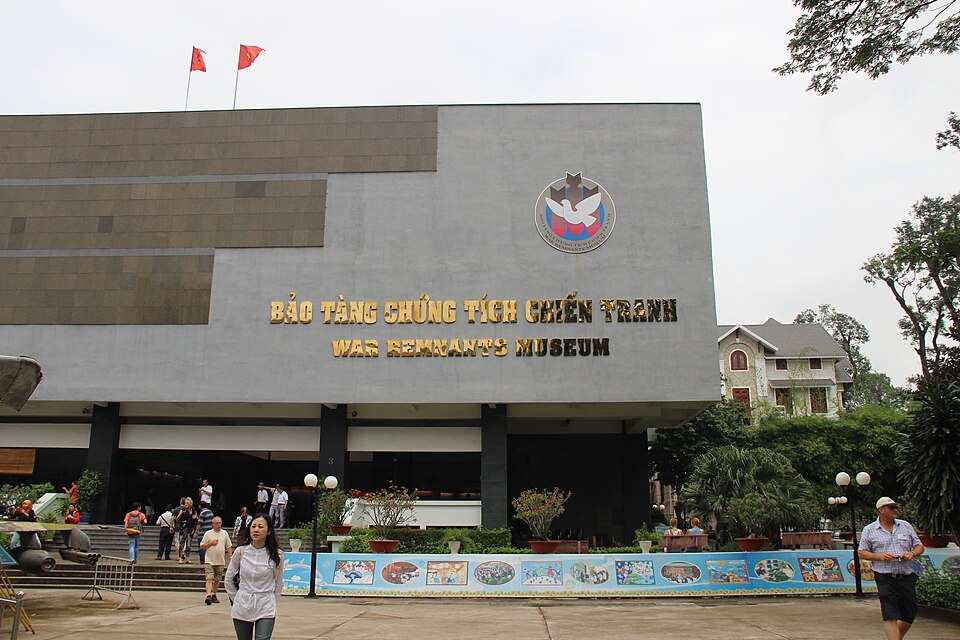
TP. Hồ Chí Minh Province
Vietnam's economic locomotive — from glamorous Sài Gòn to Vũng Tàu beach
Southern Vietnam · Southeast Region
Vietnam's economic locomotive — from glamorous Sài Gòn to Vũng Tàu beach
Southern Vietnam · Southeast Region
The new TP. Hồ Chí Minh was established under Resolution 202/2025/QH15 on the basis of merging three localities: former TP.HCM, Bình Dương province, and Bà Rịa – Vũng Tàu province. With an area of 6,772.59 km² and a population of nearly 14 million people, this is Vietnam's largest centrally-governed city, and also the super-metropolis with the largest economic scale in the country. After the merger, TP.HCM possesses one of the most diverse tourism ecosystems: from the glamorous Sài Gòn city center, historical sites Củ Chi – Cần Giờ, to the Bình Dương industrial – entertainment zone and the Vũng Tàu – Hồ Tràm – Long Hải beach cluster – Côn Đảo special zone. The administrative center is located in District 1 (former Sài Gòn area), 1,700 km south of Hà Nội.
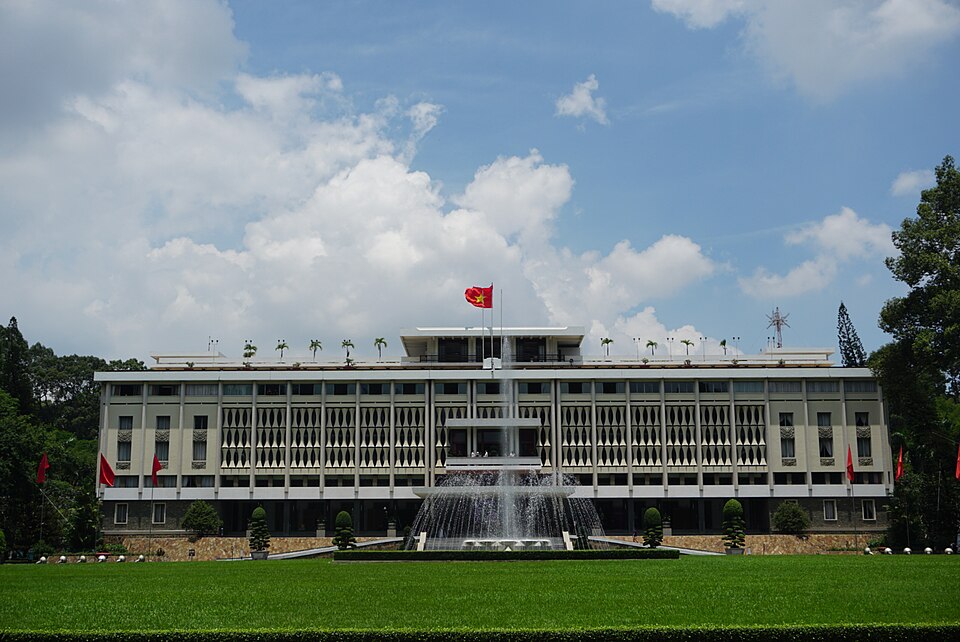
Dinh Độc Lập (also known as Dinh Thống Nhất) is located at 135 Nam Kỳ Khởi Nghĩa, Bến Thành ward, District 1, and is one of Sài Gòn's typical architectural works. Designed by architect Ngô Viết Thụ and completed in 1966, the palace has a floor area of 20,000 m² with 3 main floors, 2 mezzanines, a rooftop, and a basement. This is where the historic event of April 30, 1975 took place when Liberation Army tanks crashed through the palace gates, marking the end of the Vietnam War. Currently, the palace is a Special National Relic and a museum open to the public, preserving the original state of the reception hall, National Security Council meeting room, command bunker, and original T-54 tank.
Things to do: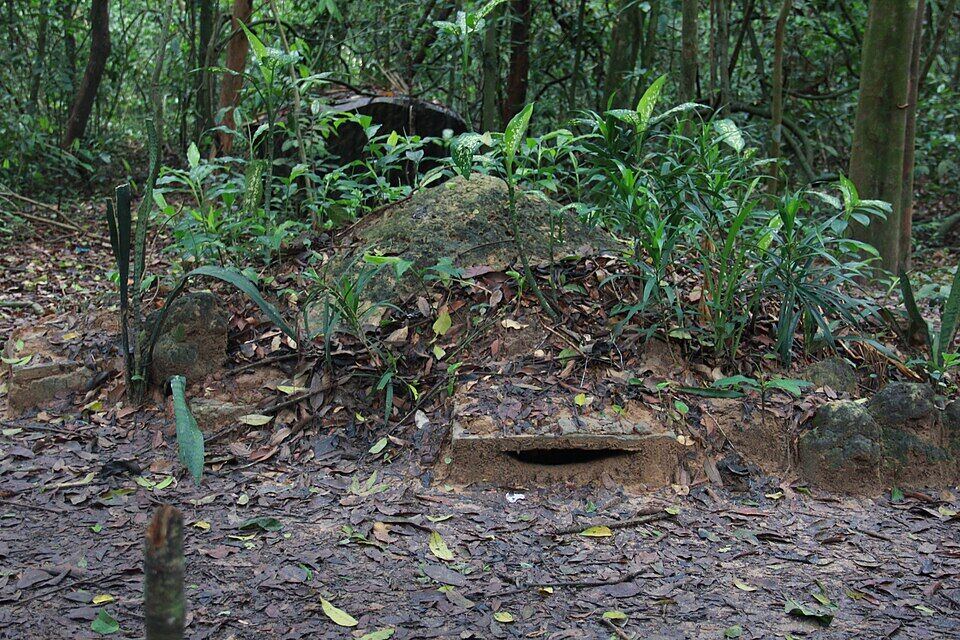
Củ Chi Tunnels are located in Củ Chi district, about 70 km northwest of Ho Chi Minh City center. This is a tunnel system with a total length of about 250 km dug throughout the period 1948 – 1975, comprising multiple levels, with water wells, food storage, infirmaries, meeting halls, and escape routes — classified as a Special National Relic in 2015. The two areas open to visitors are Bến Đình and Bến Dược, where tourists can crawl through original tunnel sections (expanded for visitors), see spike traps, pit traps, and models of wartime life. The Bến Dược area also has a memorial temple for martyrs and a weapons museum displaying AK, B40, M16 guns.
Things to do: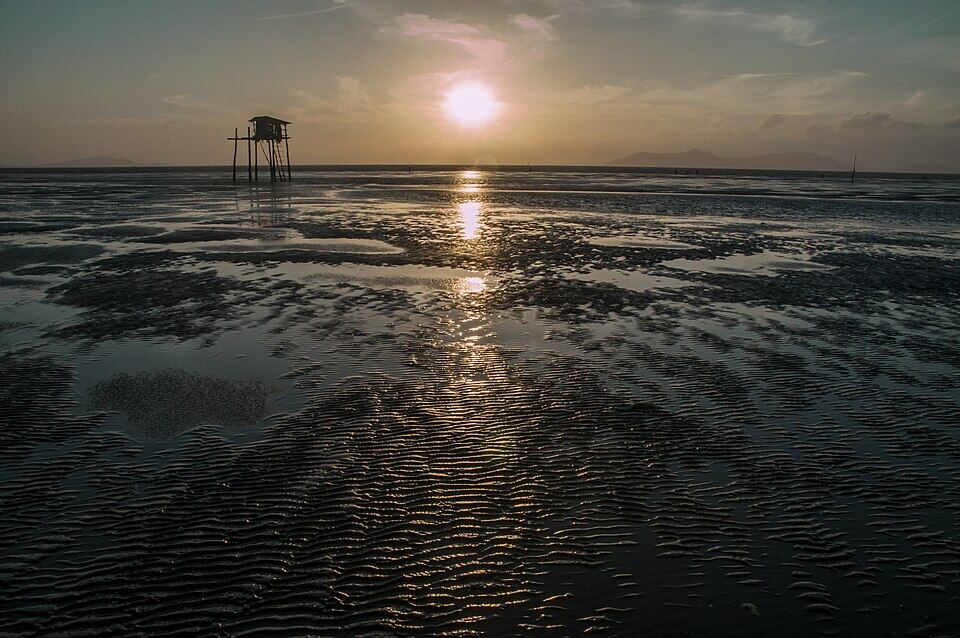
The Rừng Sác Cần Giờ Biosphere Reserve is located about 50 km southeast of Ho Chi Minh City center, recognized by UNESCO as Vietnam's first World Biosphere Reserve in 2000. With an area of 75,740 ha, it is the largest mangrove forest in Southeast Asia, recording over 200 animal species and 150 plant species. Visitors can take a canoe through the mangrove channels, visit Monkey Island with over 1,000 wild long-tailed monkeys, and explore the Rừng Sác war zone — a famous special forces resistance base. 30/4 Beach in Cần Thạnh town is the closest beach to Ho Chi Minh City, although the water is somewhat murky due to the Saigon River's alluvium.
Things to do: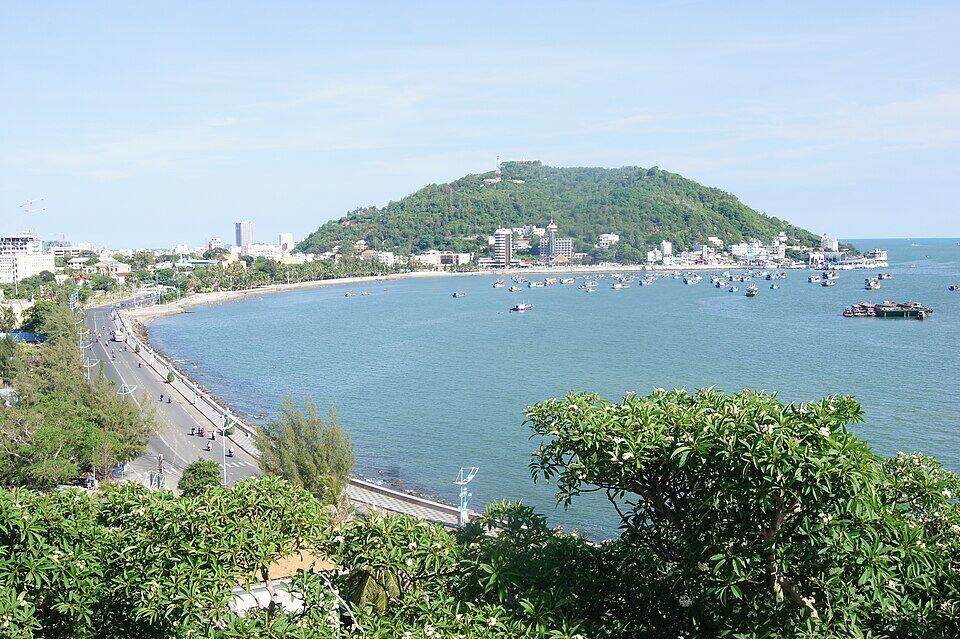
Bãi Sau (also known as Thùy Vân) is located in Vũng Tàu ward and is the main beach of Vũng Tàu city (now part of TP.HCM). The beach is about 8 km long, with fine yellow sand and moderate waves suitable for swimming and surfing. This has been a familiar weekend tourist destination for people in TP.HCM for decades — since it was a coastal city of the former Bà Rịa – Vũng Tàu province. The Bãi Sau area has many 4-5 star hotels such as Pullman, Imperial, Mövenpick, along with famous seafood restaurants along Thùy Vân street. About 2 km from Bãi Sau is Bãi Trước with the 32 m high Christ the King statue on Tao Phùng mountain — one of the largest Christ statues in the world.
Things to do: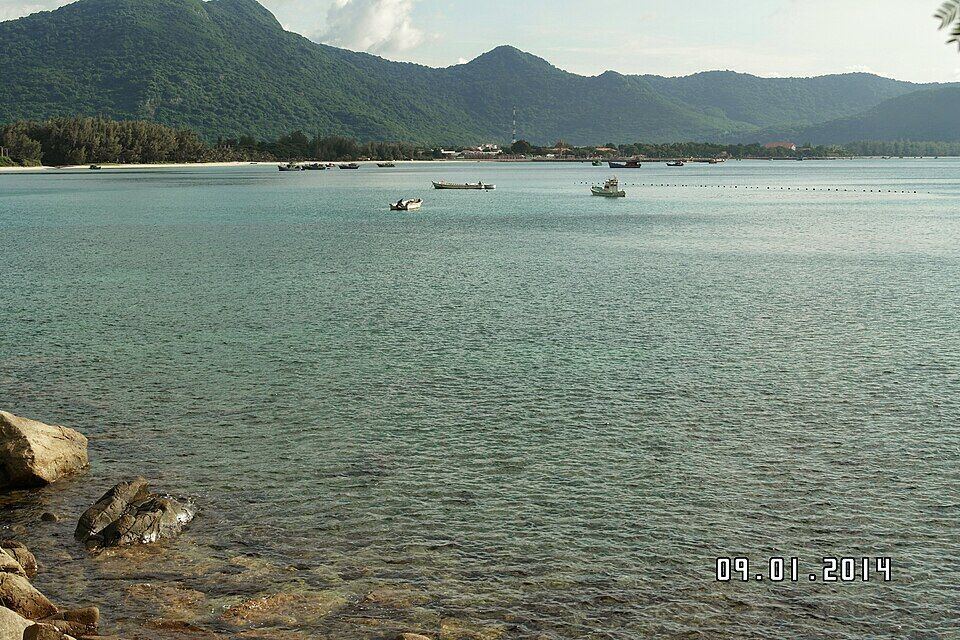
Côn Đảo is an archipelago of 16 islands located offshore to the Southeast, 185 km from Vũng Tàu — after annexation, it became a special zone directly under TP.HCM. The largest island is Côn Sơn (51.5 km²), where the administrative center and Cỏ Ống airport are located. Côn Đảo has two parallel attractions: the Côn Đảo prison relics (1862 – 1975), a 'hell on earth' that held political prisoners through two resistance wars, classified as a Special National Relic in 2012, especially Hàng Dương Cemetery with the grave of Võ Thị Sáu, visited by people nationwide at night; and on the other hand, it is a pristine island paradise with beaches like Đầm Trầu, Nhát, Lò Vôi, Ông Đụng with crystal clear water and intact coral reefs. Côn Đảo National Park (including forest and sea) is Vietnam's first marine Ramsar site.
Things to do: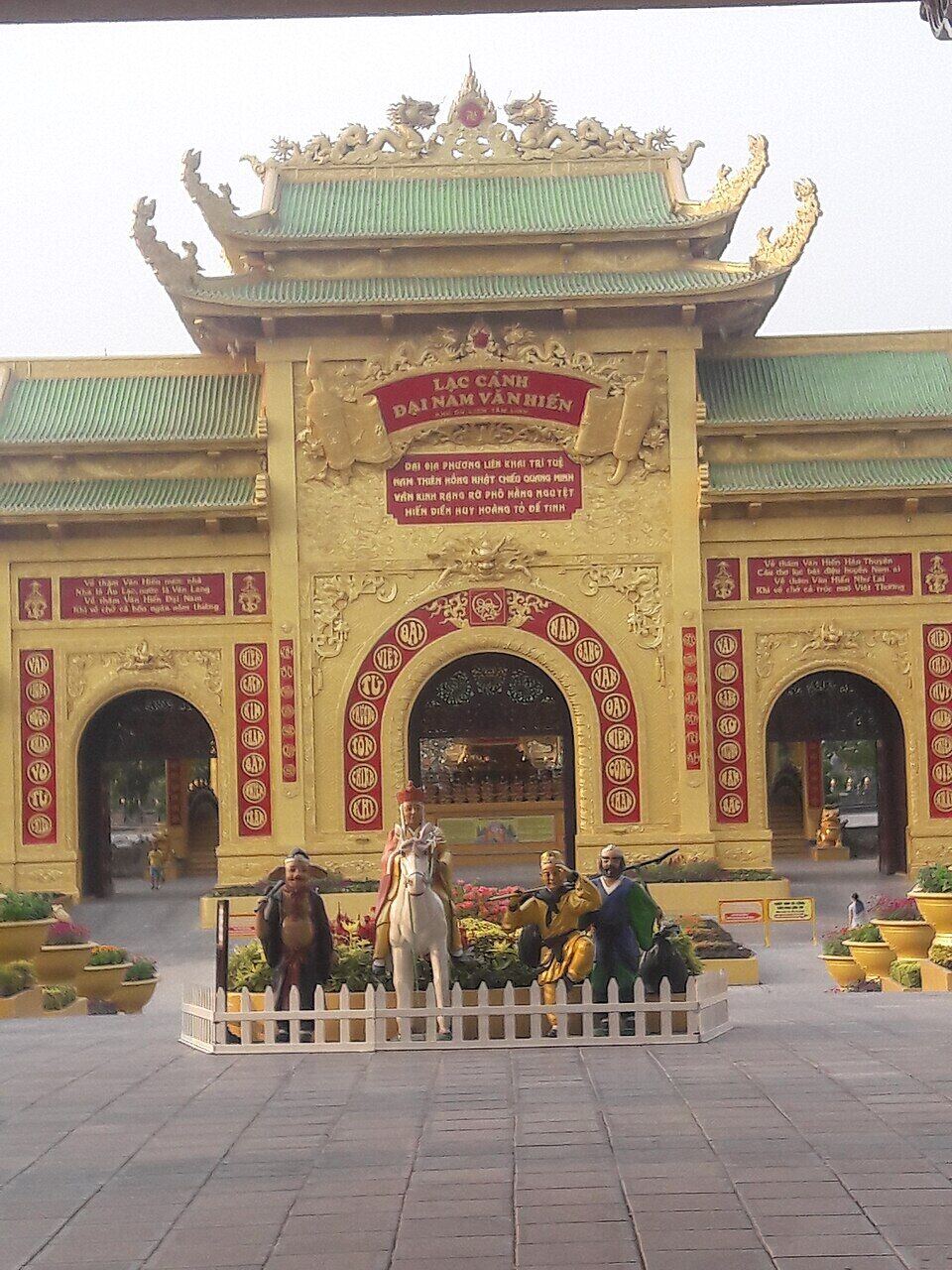
Dai Nam Wonderland (short for Dai Nam) is located in Hiep An ward, Thu Dau Mot city (former Binh Duong, now part of Ho Chi Minh City), about 40 km from the center of Ho Chi Minh City. With an area of 700 ha, this is the largest integrated tourist area in Southeast Asia, comprising 5 main categories: Dai Nam Quoc Tu temple (temple dedicated to Hung Kings, Duc Thanh Tran, and national ancestors), Square (capacity of 50,000 people), Zoo (over 100 species), Water Park (the largest in Vietnam at the time of its inauguration in 2008), and Dai Nam Racecourse inaugurated in 2017 with 5 types of racing: horse racing, dog racing, motorcycle racing, car racing, jetski racing. On weekends, this area welcomes tens of thousands of visitors, especially on holidays.
Things to do:According to Resolution 202/2025/QH15, the new Ho Chi Minh City will be established based on the merger of the former Ho Chi Minh City with Binh Duong and Ba Ria – Vung Tau provinces. Effective from July 1, 2025.
The new TP.HCM has an area of 6,772.59 km² and a population of 14,002,598 people — it is the largest centrally-governed city in Vietnam in terms of both area and population.
No. After the merger, Côn Đảo became a special zone directly under TP. Hồ Chí Minh. The special zone is organized separately to maintain its special position in terms of security, national defense, and tourism.
Approximately 95 km — taking the Long Thành – Dầu Giây expressway connecting to National Route 51 takes about 1 hour 45 minutes by car. The GreenLines high-speed ferry from Bạch Đằng pier (Quận 1) to Vũng Tàu takes about 2 hours. When the Biên Hoà – Vũng Tàu expressway is completed (expected 2026), the travel time will be shortened to just over 1 hour.
Two popular ways: by plane from TP.HCM or Cần Thơ to Cỏ Ống airport (45 minutes) with Bamboo Airways, VASCO; or by Superdong high-speed ferry from Trần Đề port (Sóc Trăng) taking about 2h30, or from Vũng Tàu taking about 3h45. During rough seas (October – January), ferries may be temporarily suspended.
The Lạc cảnh Đại Nam Văn Hiến tourist area, covering 700 ha in former Bình Dương (about 40 km from Quận 1) — the largest in Southeast Asia by scale. Additionally, there are Suối Tiên and Đầm Sen in former TP.HCM and the Hồ Tràm Strip complex in former Vũng Tàu.