Đồng Nai Province
Eastern Gateway — Cát Tiên National Park and the historic cù lao Phố
Southern Vietnam · Southeast Region
Eastern Gateway — Cát Tiên National Park and the historic cù lao Phố
Southern Vietnam · Southeast Region
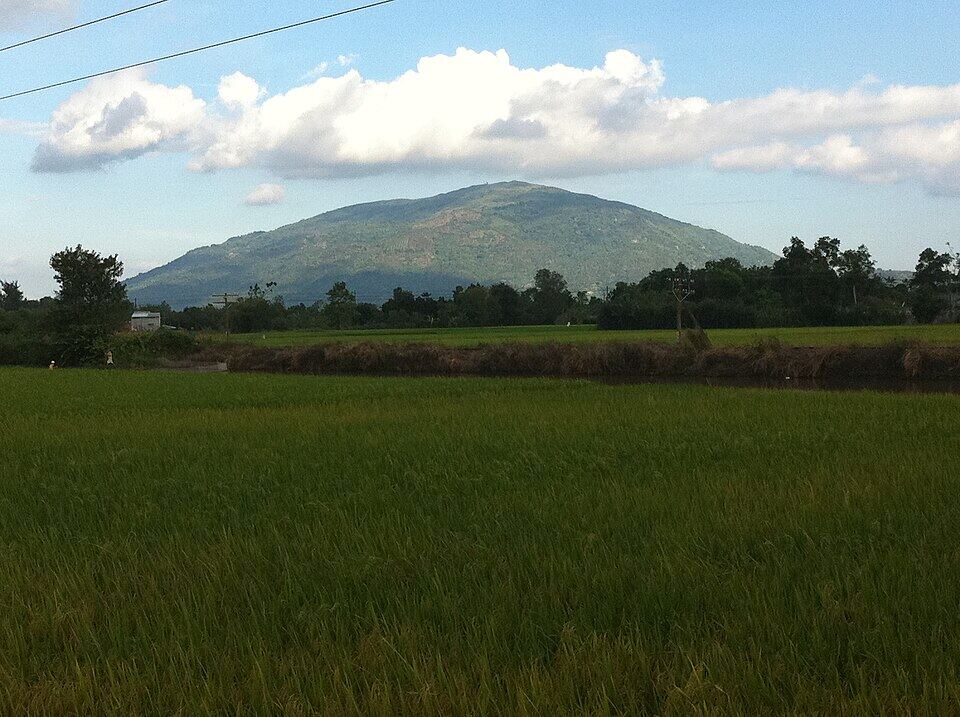
Đồng Nai is a Southeast Region province located right next to TP.HCM, maintaining its administrative boundaries according to Resolution 202/2025/QH15 (no merger). With an area of 12,737.18 km² and a population of 4,491,408 people, it is one of Vietnam's most industrialized provinces with dozens of large industrial parks. However, Đồng Nai also possesses a treasure trove of precious nature: Cát Tiên National Park — a UNESCO World Biosphere Reserve (2001) with black-shanked doucs, one-horned rhinoceros (extinct here in 2010), and gaur. Biên Hoà city — cù lao Phố (Đông Phố) was a bustling trading port from the 17th century for the Chinese, and war relics like Tân Hiệp Prison. Trị An Lake, covering 32,300 ha, is the largest artificial lake in the Southeast Region. Đồng Nai is also where Long Thành Airport is under construction — Vietnam's largest international airport (Phase 1 expected to open in 2026).
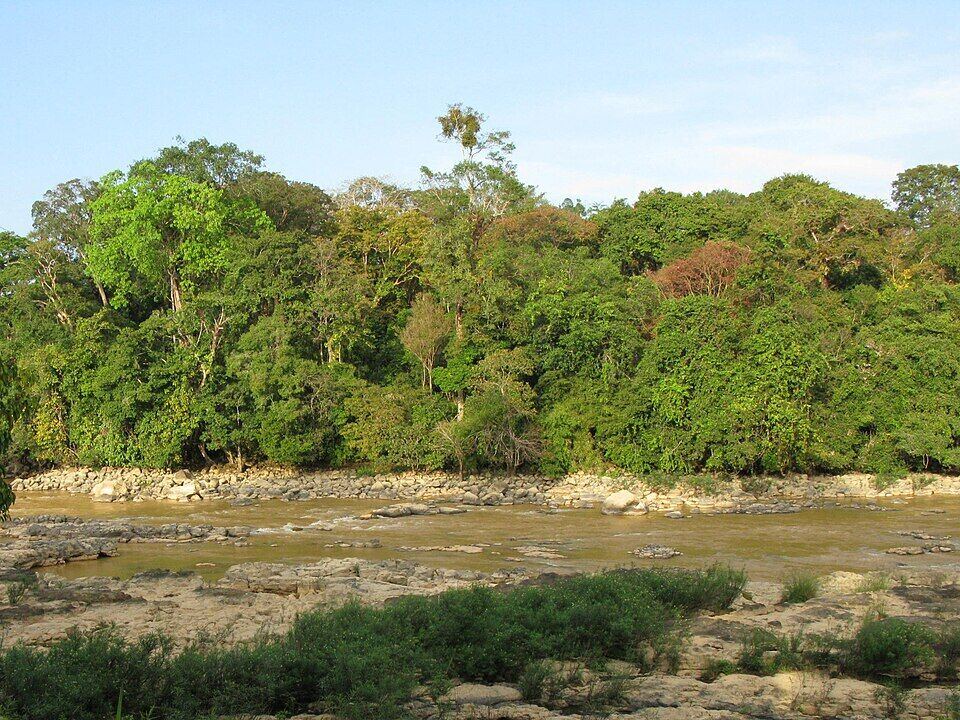
Cát Tiên National Park is located in Tân Phú district, 130 km north of Biên Hoà. Covering 72,000 ha across 3 provinces (Đồng Nai, Lâm Đồng, Gia Lai), it is the largest remaining tropical rainforest in Southern Vietnam — recognized by UNESCO as a World Biosphere Reserve in 2001. Cát Tiên records 1,610 plant species, 113 mammal species (gaurs, elephants, black-shanked douc langurs, sun bears), 351 bird species, and 109 reptile species. The Bàu Sấu (Crocodile Lake) area covers 137 ha — a swamp where wild Siamese crocodiles live, reached by a 5 km walk through the forest. At night, there are jeep tours with spotlights to see animals (night safari) — often encountering deer, sambar deer, muntjac, and sometimes wild elephants. Cát Tiên is the most important ecological destination in the South; allow 2 – 3 days to explore.
Things to do: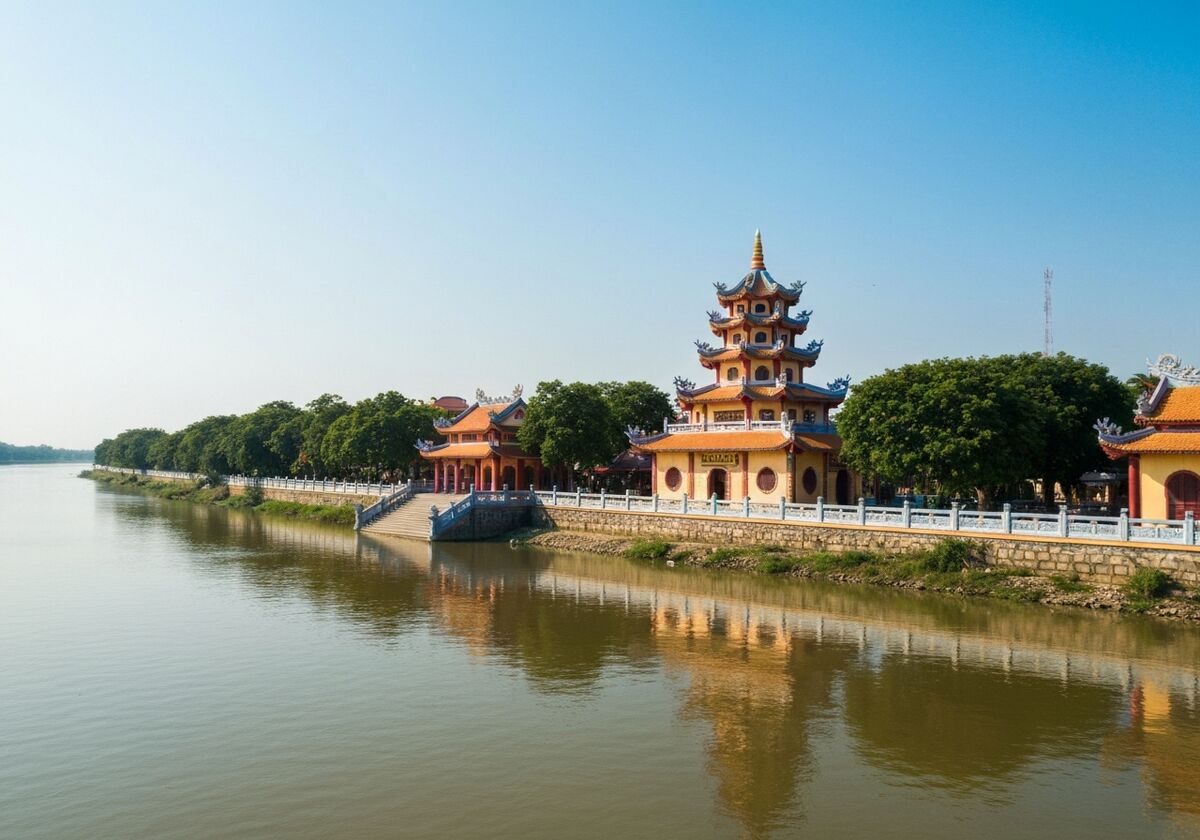
Cù lao Phố (Đông Phố) is located in the middle of the Đồng Nai River, in Hiệp Hòa ward, Biên Hoà city. It was the busiest trading port in Southern Vietnam from the 17th to 18th centuries, where Chinese people (led by Trần Thượng Xuyên) settled and traded. On the islet is chùa Ông (Thất Phủ Cổ Miếu, 1684) – the oldest Chinese temple in Đồng Nai, featuring Guangdong architecture with exquisite ceramic reliefs, a National Relic. Đình Tân Lân (1901) worships Trần Thượng Xuyên – who contributed to the development of the Biên Hoà region. The islet also has many century-old Southern Vietnamese ancient houses and the famous Tân Triều pomelo gardens (in March – April, pomelo flowers are fragrant). Visitors can take a ferry to the islet, cycle around the fruit gardens, and visit chùa Ông to offer incense.
Things to do: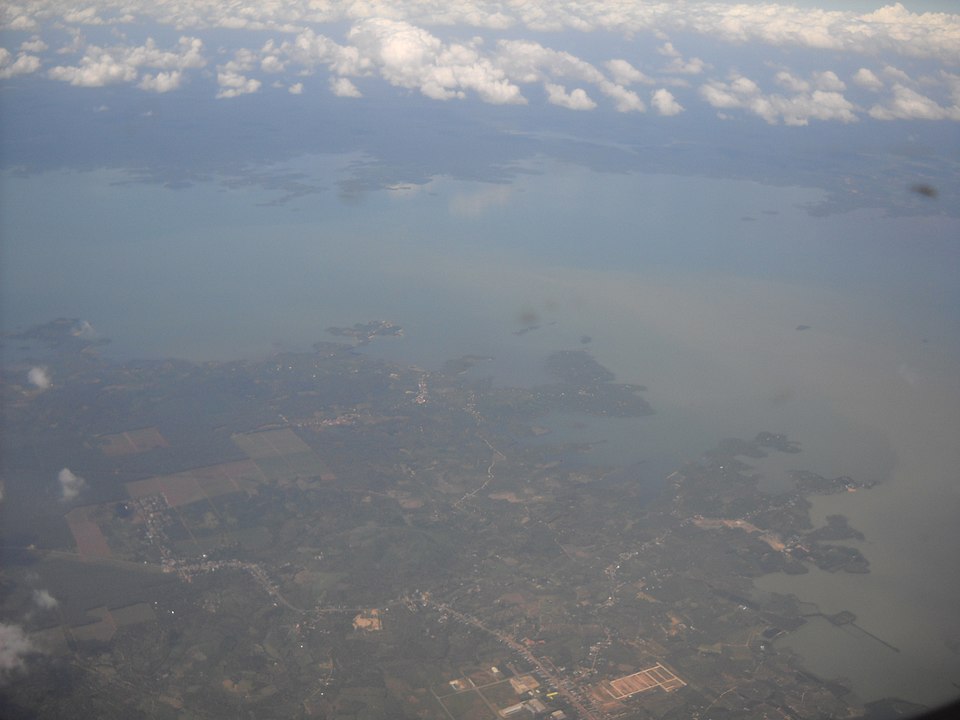
Trị An Lake is located on the Đồng Nai River, spanning Vĩnh Cửu, Định Quán, and Thống Nhất districts. The lake was formed in 1987 when the Trị An hydroelectric dam (400 MW) was built – with a surface area of 32,300 ha (rainy season), it is the largest artificial lake in Southeast Vietnam. The lake has hundreds of small islands, and the calm water in the early morning creates a beautiful scene like a 'miniature Hạ Long'. Visitors can camp by the lake, fish (snakehead fish, climbing perch, carp), go boating to see the islands, and watch the sunrise. The Trị An Lake area has the Vĩnh Cửu Nature Reserve adjacent to Cát Tiên National Park – forming the largest continuous forest area in Southern Vietnam. Nearby is thác Giang Điền (Trảng Bom) – a beautiful waterfall, a family entertainment area, 45 km from Biên Hoà.
Things to do: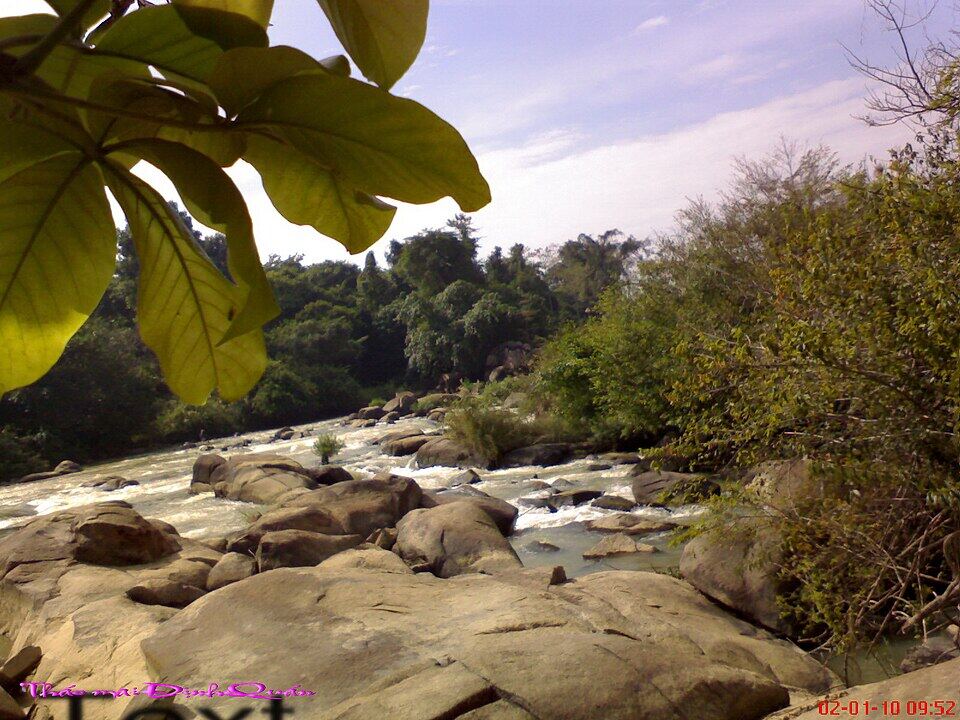
Thác Mai is located in Định Quán district, 90 km from Biên Hoà — it is the most beautiful waterfall in Đồng Nai province. The waterfall has multiple tiers, with water cascading white over granite steps amidst the primeval forest. The surrounding area belongs to the Vĩnh Cửu Nature Reserve, an old-growth forest with precious timber, diverse birds and animals. The road to the waterfall passes through cacao, cashew, and pomelo gardens of local residents — a wild Eastern region experience. Near Định Quán, there are also Thác Ba Zọt and Suối Mơ — little-known natural stream bathing spots. This area is also famous for Trị An cacao — a premium chocolate ingredient (Marou Chocolate, a globally renowned French-Vietnamese brand, uses Đồng Nai cacao). Visitors can combine a visit to a cacao farm.
Things to do: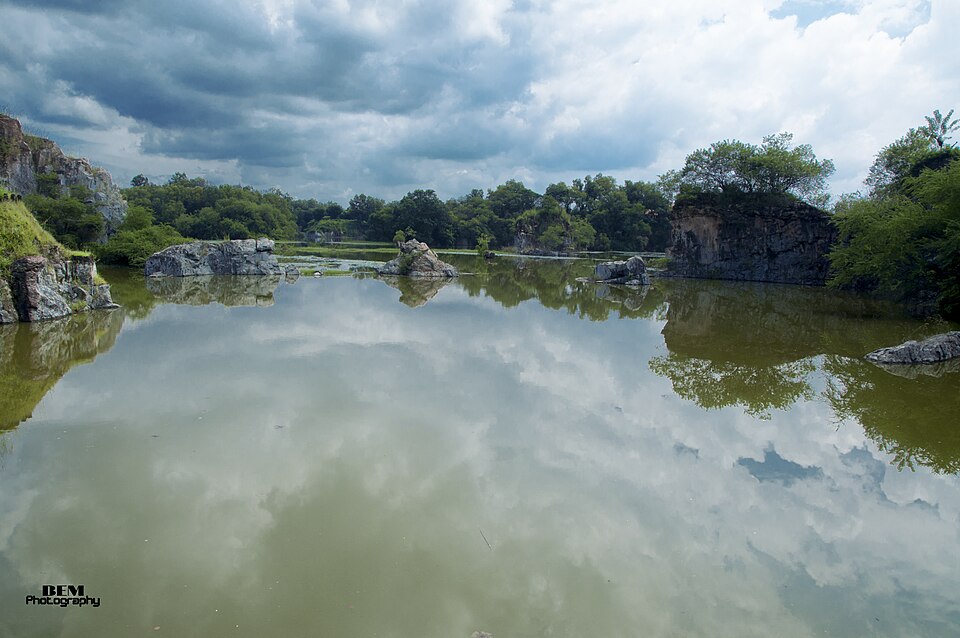
Bửu Long Tourist Area is located in Bửu Long ward, Biên Hoà city, 6 km from the center. This is a scenic area consisting of Long Ẩn Lake, 8 ha wide, surrounded by limestone mountains (shale) creating a 'miniature Hạ Long' landscape — with clear blue water and rocky islands protruding from the lake. On the mountain, there is chùa Bửu Long (Thiền viện Tổ Đình Bửu Long) — the largest Theravada pagoda in the Southern region with impressive Thai – Myanmar architecture, and the 35 m tall golden Gotama Cetiya stupa. Visitors can ride swan boats on the lake, climb Long Ẩn mountain to admire the view of Biên Hoà, and visit the pagoda. The area also has the Hàng Gòn ancient tomb relic — a 2,500-year-old megalithic stone tomb (National Relic) belonging to the Đồng Nai culture.
Things to do: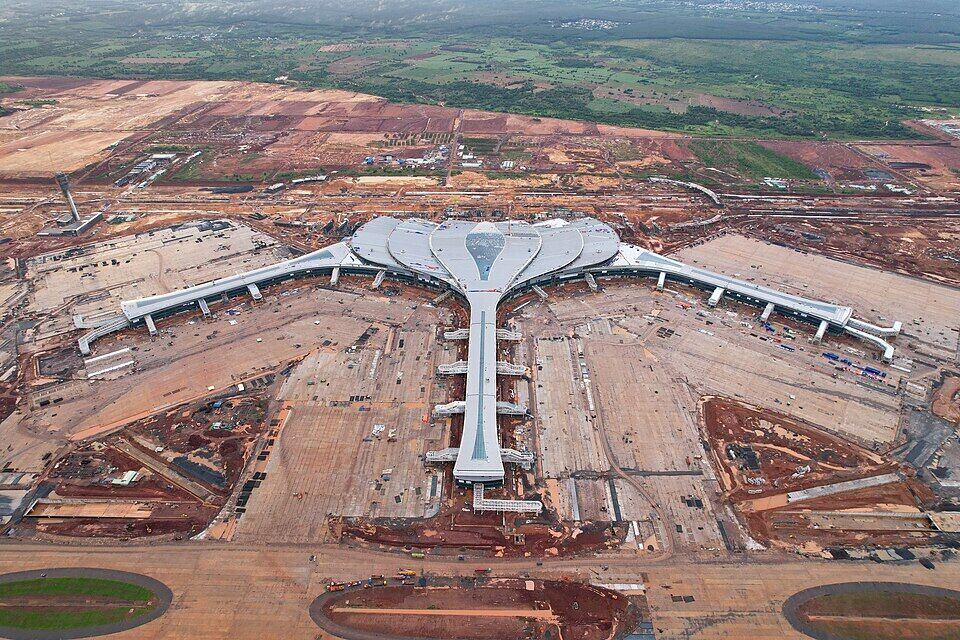
Long Thanh International Airport is under construction in Long Thanh district, 35 km from Bien Hoa and 40 km from Ho Chi Minh City. This is Vietnam's largest airport project with a total area of 5,000 ha, designed capacity of 100 million passengers/year when all 3 phases are completed (phase 1: 25 million passengers, expected to open in 2026). The phase 1 passenger terminal, shaped like a stylized lotus flower, has an area of 373,000 m² — designed by the joint venture Heerim (South Korea) – ADP Ingénierie (France). When operational, Long Thanh will be the main international air gateway gradually replacing Tan Son Nhat, connecting to the Long Thanh – Dau Giay expressway and the Ho Chi Minh City – Long Thanh metro line. Although not yet completed, the project is already an architectural sightseeing destination for many curious people.
Things to do:No. Dong Nai will retain its current administrative boundaries according to Resolution 202/2025/QH15.
150 km — about 3h30 by car via National Route 20. Should stay 2 – 3 nights to explore the forest, Bau Sau, and night safari.
Phase 1 is expected to open in 2026 with a capacity of 25 million passengers/year. When all 3 phases are completed: 100 million passengers/year.
30 km — expressway about 30 minutes, National Route 1A about 1h (or traffic jams during rush hour).
Yes. Marou Faiseurs de Chocolat — a globally renowned bean-to-bar chocolate brand — uses cacao grown in Trị An, Đồng Nai as an ingredient. You can visit the cacao farm in Định Quán.
No. Đồng Nai is an inland province, not bordering the sea. The nearest beach is Vũng Tàu (new TP.HCM) 100 km from Biên Hoà, or Long Hải beach 80 km.