Đắk Lắk Province
Vietnam's coffee capital — Buôn Đôn elephants and gành Đá Đĩa
Tây Nguyên · South Central Coast
Vietnam's coffee capital — Buôn Đôn elephants and gành Đá Đĩa
Tây Nguyên · South Central Coast
The new Đắk Lắk province was established according to Resolution 202/2025/QH15 on the basis of merging the former Đắk Lắk province and Phú Yên province. With an area of 18,096.40 km² and a population of 3,346,853 people, the province stretches from the Buôn Ma Thuột plateau (500 m) down to 189 km of Phú Yên coastline — creating one of the most diverse tourism ecosystems in Central Vietnam – Tây Nguyên. The former Đắk Lắk was known as 'Vietnam's coffee capital' — the largest producer of Robusta coffee in the country, famous for hồ Lắk, Buôn Đôn with its tamed elephants, and the Buôn Ma Thuột Coffee Festival. Phú Yên offers gành Đá Đĩa — a volcanic geological wonder, mũi Đại Lãnh — the earliest sunrise spot, vịnh Xuân Đài, and Tuy Hoà beach. The administrative center is located in Buôn Ma Thuột city, 350 km from Ho Chi Minh City.
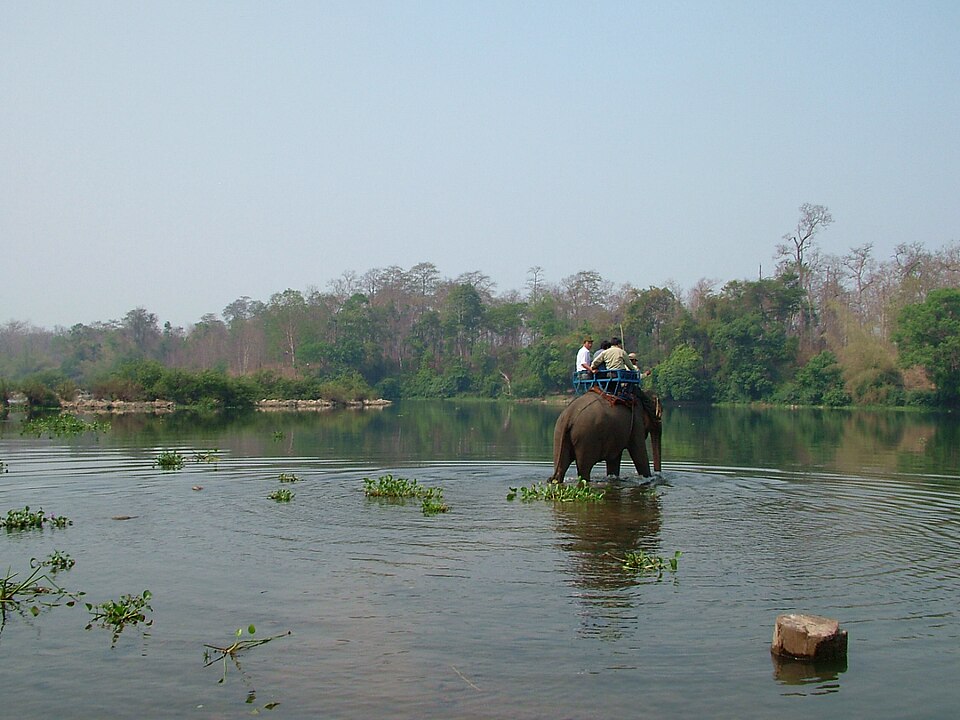
Buôn Đôn (Bản Đôn) is located in Buôn Đôn district, 40 km northwest of Buôn Ma Thuột city along the Sêrêpốk River. This is a legendary land for the art of taming wild elephants — the Elephant King Khunjunob (Y Thu K'Nul) once caught and tamed over 300 elephants in his lifetime. Currently, Buôn Đôn still has about 30 domestic elephants — the largest number in Vietnam; however, elephant riding activities are gradually being replaced by a 'elephant-friendly' model — observing elephants bathing in the river and eating natural grass instead of riding on their backs. The Buôn Đôn ecological tourist area features a 100 m long suspension bridge over the Sêrêpốk River, Ama Công's tomb house, traditional Ê Đê longhouses, and an ancient tree garden. Visitors can sleep in longhouses, eat cơm lam (bamboo-cooked rice) with grilled chicken, and listen to gongs around a campfire.
Things to do: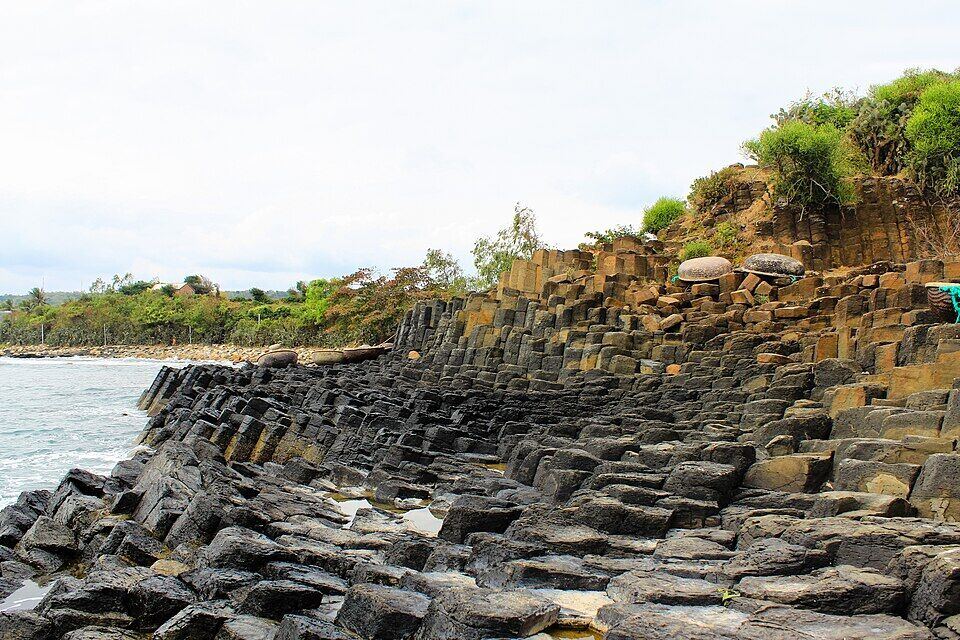
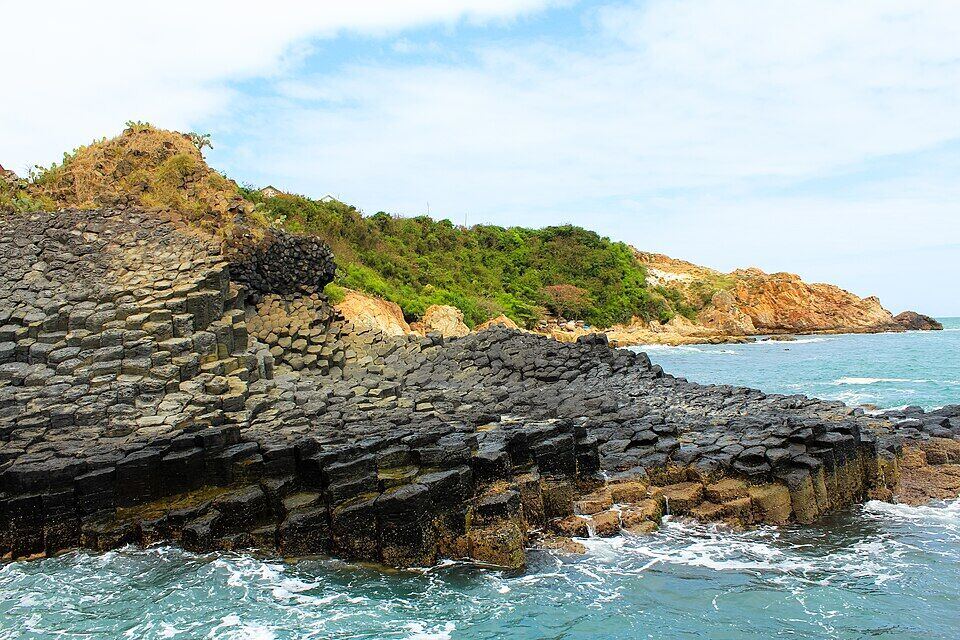
Gành Đá Đĩa is located in An Ninh Đông commune, Tuy An district (former Phú Yên, now part of Đắk Lắk), 35 km north of Tuy Hoà. This basalt rock formation was created from volcanic lava eruptions millions of years ago — as it cooled and contracted evenly, it formed thousands of hexagonal and pentagonal rock columns stacked like giant plates — hence the name 'Đá Đĩa'. The landscape is similar to Giant's Causeway (Ireland) — one of the world's rare geological wonders (found only in Ireland, Iceland, and Vietnam on a large scale). The gành stretches about 200 m along the coast, with waves crashing white around the rock columns, creating a pristine scene. Nearby is Ô Loan lagoon — a beautiful crescent-shaped brackish lagoon from above, famous for blood cockles and tuna.
Things to do: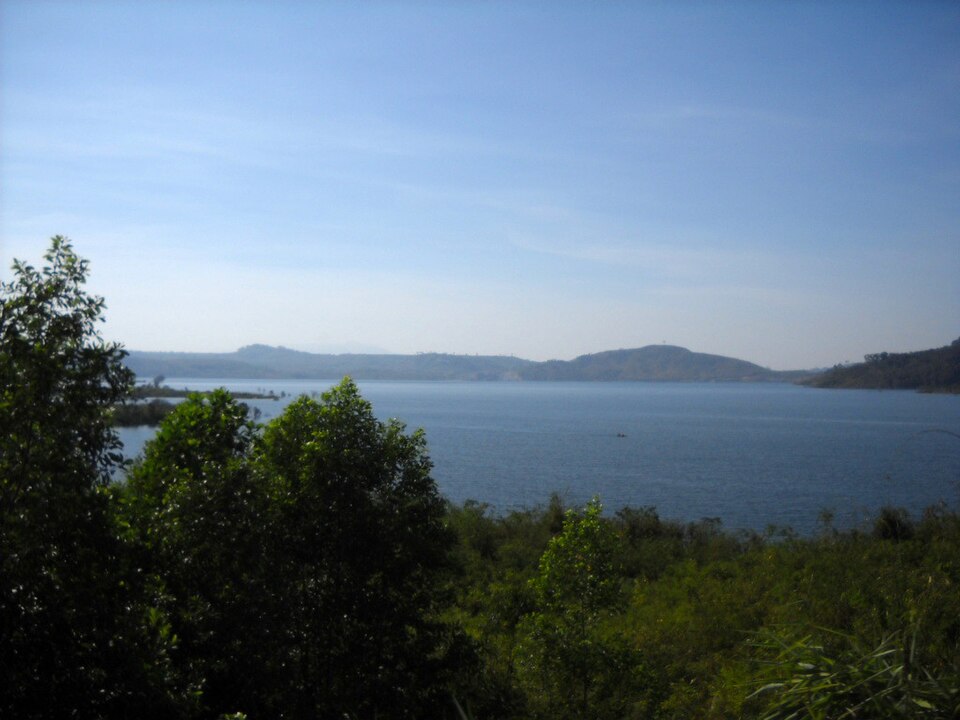
Hồ Lắk is located in Lắk district, 56 km south of Buôn Ma Thuột via National Route 27. Covering 6.2 km² — larger than Biển Hồ Pleiku, it is the largest natural freshwater lake in Tây Nguyên, at an altitude of 500 m. The lake is surrounded by primary forest and M'nông ethnic villages — especially buôn Jun and buôn M'liêng on the lake's shore. Bảo Đại's retreat, built in 1940 on a hill overlooking the lake — a resort for King Bảo Đại (the last emperor of the nhà Nguyễn dynasty), is now a guesthouse for visitors. Tourists can take a dugout canoe (a boat carved from a single tree trunk) on the lake, visit buôn Jun to sleep in a stilt house, listen to Khan (Ê Đê epic poems), and admire the misty sunrise over the calm lake surface.
Things to do: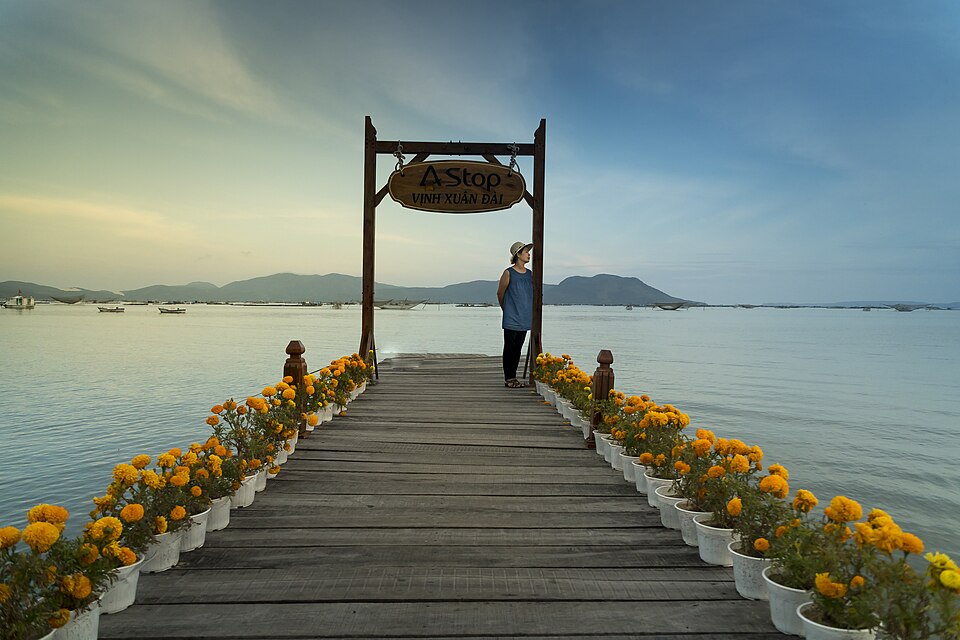
Vịnh Xuân Đài is located in Sông Cầu town (former Phú Yên, now part of Đắk Lắk), 50 km north of Tuy Hoà. The bay covers 13,000 ha, embraced by mountains on three sides, with one side opening to the sea — creating calm waters year-round. This is the largest lobster farming area in Central Vietnam — thousands of farming rafts float on the bay, and visitors can eat fresh lobster directly on the rafts at a cheaper price than Nha Trang. The bay's scenery is pristine: rocky mountains, casuarina forests, and small interspersed sandy beaches. Near the bay are bãi Bàng — a quiet beach with clear water; bãi Ôm — a small, charming family beach; and vịnh Hòa — a traditional aquaculture area. Xuân Đài is being planned as an Economic Zone — but currently remains very quiet and authentic.
Things to do:
The Lễ hội Cà phê Buôn Ma Thuột (Buon Ma Thuot Coffee Festival) is held every two years in TP Buôn Ma Thuột — the coffee capital of Vietnam. Đắk Lắk (former) produces about 500,000 tons of coffee per year — accounting for 30% of the country's output, leading the world in Robusta. The festival lasts 5 – 7 days with activities such as: international coffee exhibition, specialty coffee cupping, barista competition, elephant racing, flower car parade, and gong performance. Besides the festival, Buôn Ma Thuột is worth visiting year-round to experience coffee culture: visit organic coffee farms like Aeroco, The Barn; drink morning coffee at long-standing shops on Nguyễn Công Trứ street; visit the 20,000 m² World Coffee Museum — the largest coffee museum in Southeast Asia.
Things to do: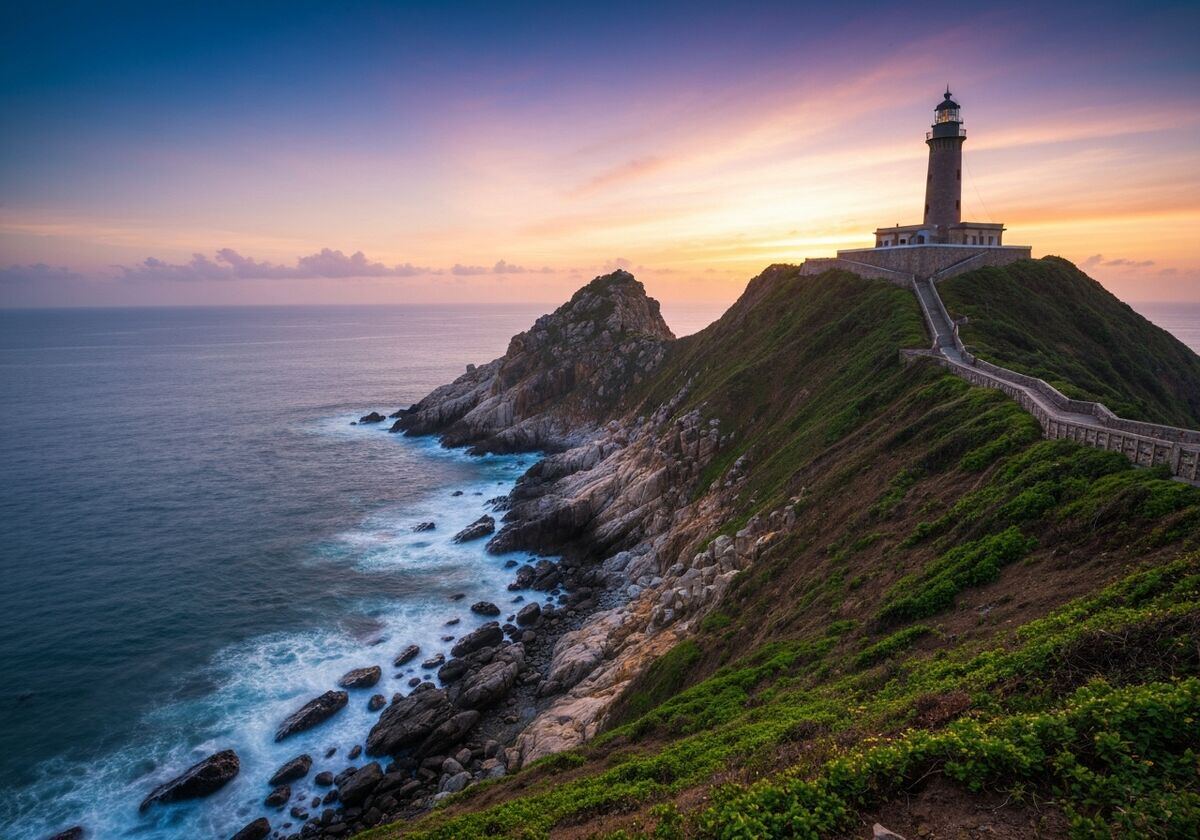
Mũi Đại Lãnh (Mũi Nạy / Mũi Điện) is located in xã Hoà Tâm, TX Đông Hoà (Phú Yên (former), now part of Đắk Lắk). This is the Easternmost point on the mainland of Vietnam at coordinates 109°27'Đ — where the first sun rays are welcomed each day. The Đại Lãnh (Mũi Điện) lighthouse, built in 1890 during the French colonial period, stands on the tip of the cape protruding into the sea, 110 m above sea level. To reach the lighthouse, one must climb about 300 stone steps through the forest — from the top, look out at the vast Biển Đông, with Bãi Môn and Vịnh Vũng Rô on either side. Bãi Môn at the foot of the cape is a crescent-shaped white sand beach with crystal clear water — one of the most beautiful pristine beaches in Vietnam, only accessible by trail or boat. 5 km away is Vịnh Vũng Rô — where 'Không số' ships docked during the Hồ Chí Minh trail at sea during the American War.
Things to do:According to Resolution 202/2025/QH15, the new Đắk Lắk was merged from the former Đắk Lắk province and Phú Yên province. Effective from July 1, 2025.
No. After the merger, Gành Đá Đĩa belongs to the new Đắk Lắk province. It is 35 km from Tuy Hoà and 230 km from Buôn Ma Thuột.
Flying takes 1 hour (fastest). A sleeper bus takes about 8 hours (350 km). A private car via National Route 14 or expressway takes about 6 – 7 hours.
Under transition. Many elephant riding services have stopped, replaced by an 'elephant-friendly' model — observing elephants bathing in the river and eating natural grass. Tourists should choose non-elephant riding tours to protect the animals.
In Buôn Ma Thuột city, Nguyễn Đình Chiểu street. Covering 20,000 m² — the largest coffee museum in Southeast Asia, displaying the history of coffee worldwide and in Vietnam. Tickets are about 80,000 VNĐ, including 1 cup of coffee.
Mũi Đại Lãnh is the easternmost point on mainland Vietnam (109°27'E) — where the earliest sunrise is welcomed. The absolute easternmost point belongs to the Trường Sa archipelago (at sea).