Gia Lai Province
The roof of Tây Nguyên — the mysterious Biển Hồ and UNESCO gongs
Tây Nguyên
The roof of Tây Nguyên — the mysterious Biển Hồ and UNESCO gongs
Tây Nguyên
The new Gia Lai province was established under Resolution 202/2025/QH15 on the basis of merging the former Gia Lai province and Bình Định province. With an area of 21,576.53 km², it is the largest province in Vietnam after the merger, and has a population of 3,583,693 people. Located in the center of the Central Highlands — one of the wildest regions in Vietnam — Gia Lai possesses the Space of Gong Culture in the Central Highlands, recognized by UNESCO as a Masterpiece of the Oral and Intangible Heritage of Humanity in 2005. The former Gia Lai province had Biển Hồ (T'Nưng) — the largest natural freshwater lake in the Central Highlands on a volcanic crater, and Kon Ka Kinh National Park with gray-shanked douc langurs. Bình Định province brings the unique French–Ba Na architecture of the Bình Định wooden church, Măng Đen — 'the second Đà Lạt' with cool climate and vast pine forests, and the Indochina T-junction at Ngọc Linh peak (2,598 m). The administrative center is located in Pleiku city, 550 km from Đà Nẵng.
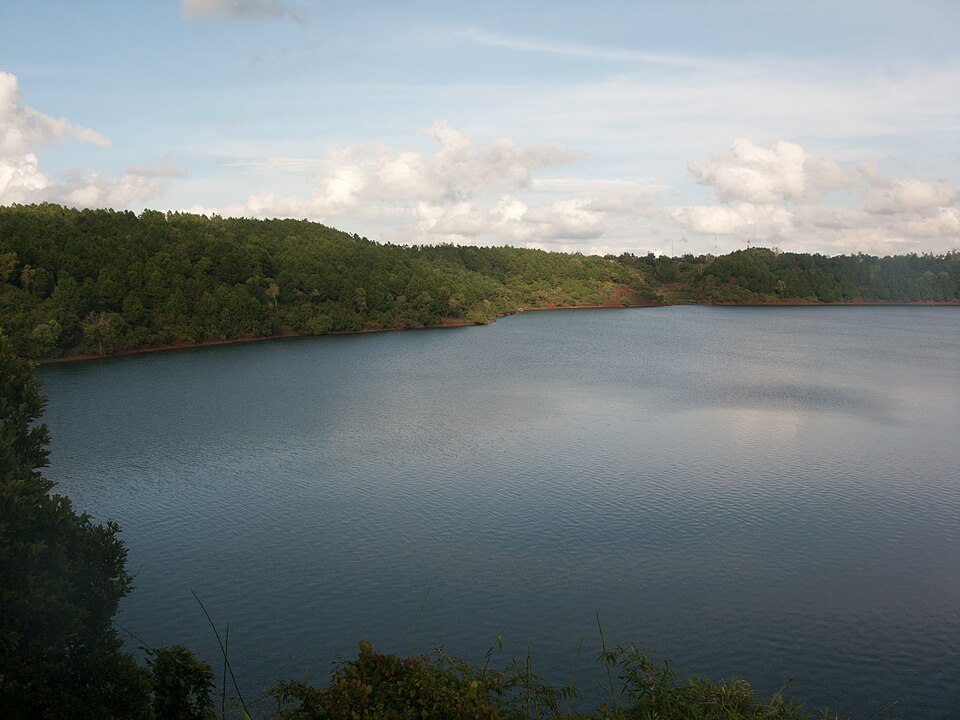
Biển Hồ (T'Nưng) is located 7 km north of Pleiku city center, at an altitude of 800 m. This is the largest natural freshwater lake in the Central Highlands, approximately 250 ha wide, with an average depth of 18 m (deepest point 40 m) — formed in an extinct volcanic crater. The lake is oval-shaped like eyes, deep green all year round — the Jrai people call it 'sea' because of its vastness amidst the plateau. Fog covers it in the early morning and at sunset, creating a mystical atmosphere — reminiscent of the song 'Pleiku mountain town / Morning coffee / Your sad eyes, Biển Hồ' by musician Phạm Duy. The area has a wide viewpoint on a pine hill, lakeside cafes, and tea gardens. Nearby is Minh Thành Pagoda — the most beautiful Japanese-style pagoda in the Central Highlands.
Things to do: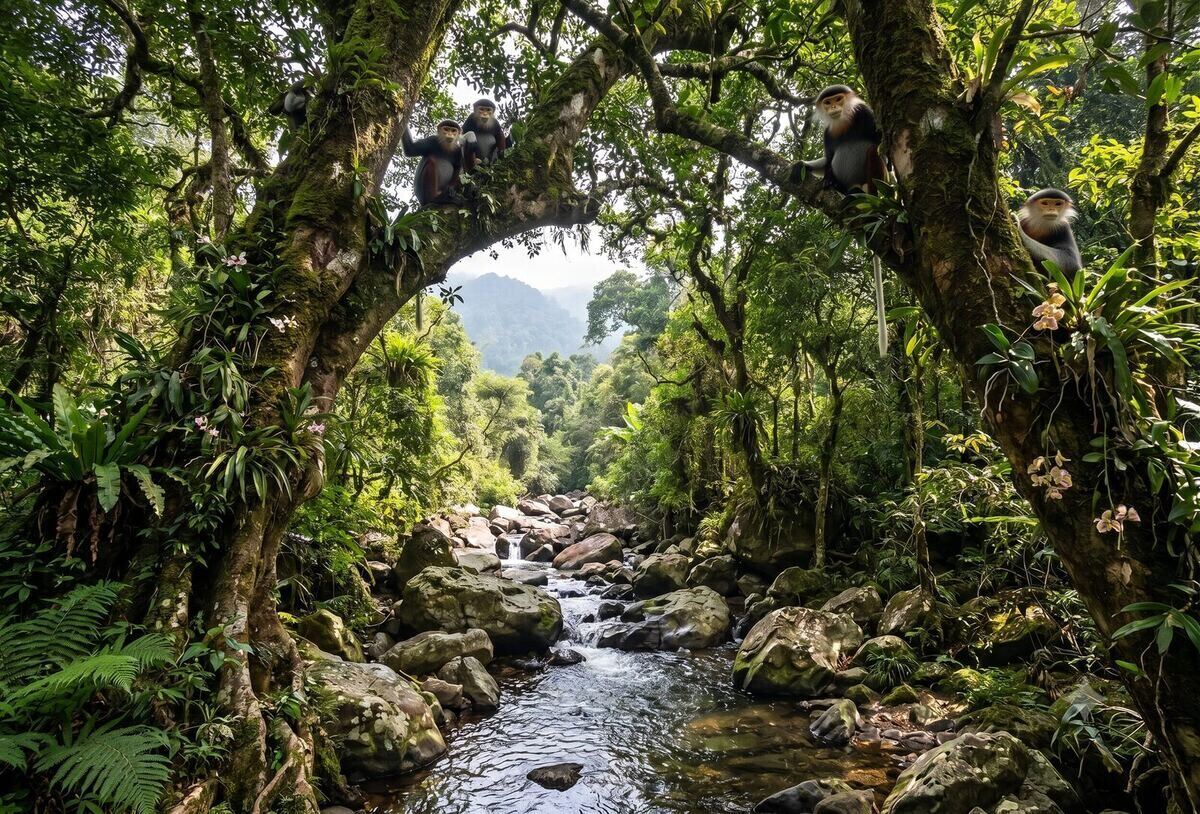
Kon Ka Kinh National Park is located in K'Bang and Mang Yang districts (former Gia Lai province), 50 km northeast of Pleiku. Spanning 41,780 ha, Kon Ka Kinh peak stands at 1,748 m — the highest in former Gia Lai province. Recognized as an ASEAN Heritage Park in 2003 — it is one of Indochina's most biodiverse national parks with 1,754 plant species and 567 animal species. Notably, it is the only place in the world where the gray-shanked douc langur (Pygathrix cinerea) can be found — an endemic Vietnamese primate, critically endangered with an estimated 800 – 1,000 individuals remaining. The primary forest also harbors sến mù, gaur, and Asiatic black bears. Trekking to Kon Ka Kinh peak takes 2 days and 1 night and requires permission from the park management. Nearby is Kông Hring village — a Ba Na village that still preserves ancient communal houses (nhà rông) and gong festivals.
Things to do: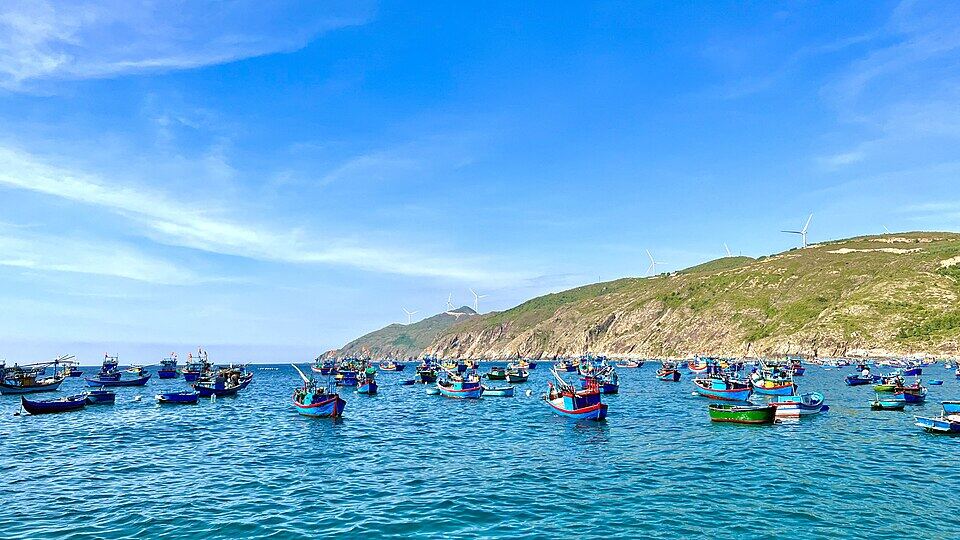
Eo Gió and Kỳ Co are located in Nhơn Lý commune, 20 km northeast of Quy Nhơn city center. Eo Gió is a narrow strip of land jutting into the sea between two cliffs — strong winds blow year-round, giving it its name — with a 270° view of the deep blue sea and sheer cliffs, making it Quy Nhơn's most beautiful sunrise spot. 3 km away by sea is Kỳ Co beach — a crescent-shaped white sand beach with crystal-clear turquoise water, so clear you can see the bottom, which tourists call 'Vietnam's Maldives'. From Kỳ Co, you can take a 15-minute canoe ride to Hòn Khô — a pristine small island with coral close to shore. This area is rapidly developing tourism with Kỳ Co Gateway — an FLC Group resort complex, and many coastal homestays.
Things to do: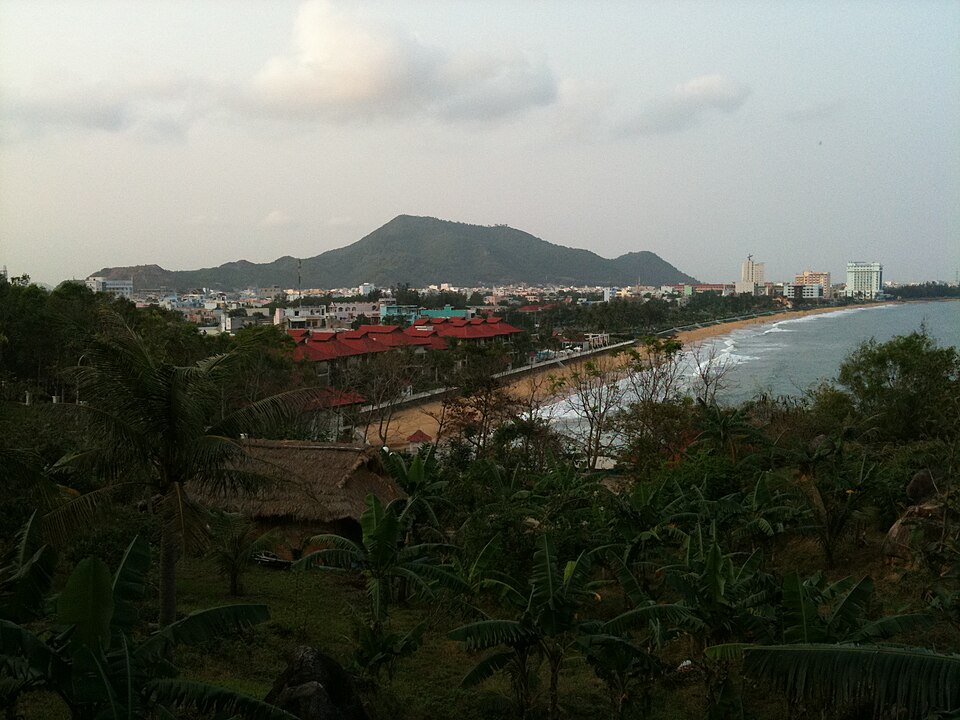
Ghềnh Ráng Tiên Sa is located 3 km southeast of Quy Nhơn city center, classified as a National Scenic Spot. This is a natural granite rock formation jutting into the sea with strange shapes — legend has it that this is where fairies descended to bathe in the sea. The 35 ha area includes: Hoàng Hậu beach (Bãi Trứng) — a beach of smooth round stones nestled between cliffs, the tomb of poet Hàn Mặc Tử (1912 – 1940) on a pine hill overlooking the sea — where he composed some of Vietnam's most romantic poems, and Ghềnh Ráng beach with yellow sand mixed with rocks. The nearby 12th-century Tháp Đôi Chăm is also worth a visit — two rare parallel Champa towers. Quy Nhơn is being called 'the second Đà Nẵng' — a rapidly developing coastal city with modern tourism infrastructure but still retaining its rustic charm.
Things to do: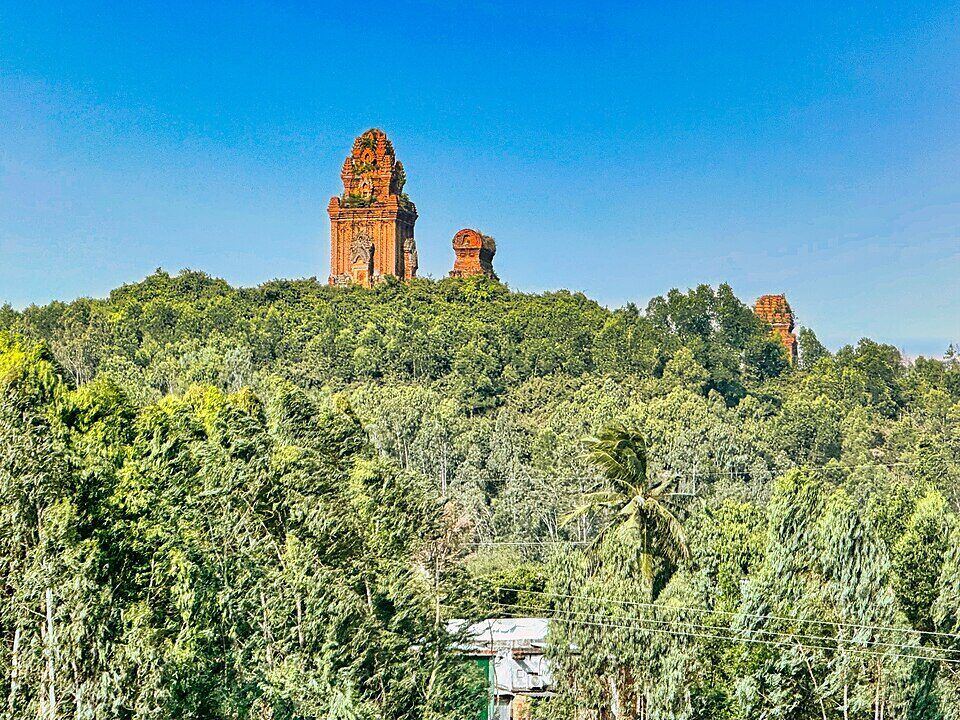
Tháp Bánh Ít (also known as Tháp Bạc) is located on a high hill in Tuy Phước district, 20 km north of Quy Nhơn. The cluster of 4 towers was built in the 11th – 12th centuries during the Champa kingdom, and is a National Monument. This is the best-preserved Champa tower cluster in Bình Định (a region with 8 Champa tower clusters — the most in Vietnam), with the main tower standing 22 m tall, exquisitely decorated with Shiva and Garuda (divine bird) reliefs. The name 'Bánh Ít' comes from the tower's shape resembling the bánh ít lá gai cake — a specialty of Bình Định. From the tower hill, one can look down at Thị Nại lagoon — a 5,000 ha brackish water lagoon connected to the sea, where the famous naval battle of King Quang Trung took place in 1801. Bình Định is the land of the 'Tây Sơn three heroes' — the homeland of Nguyễn Huệ (Quang Trung), the commoner hero who defeated 290,000 Qing troops.
Things to do: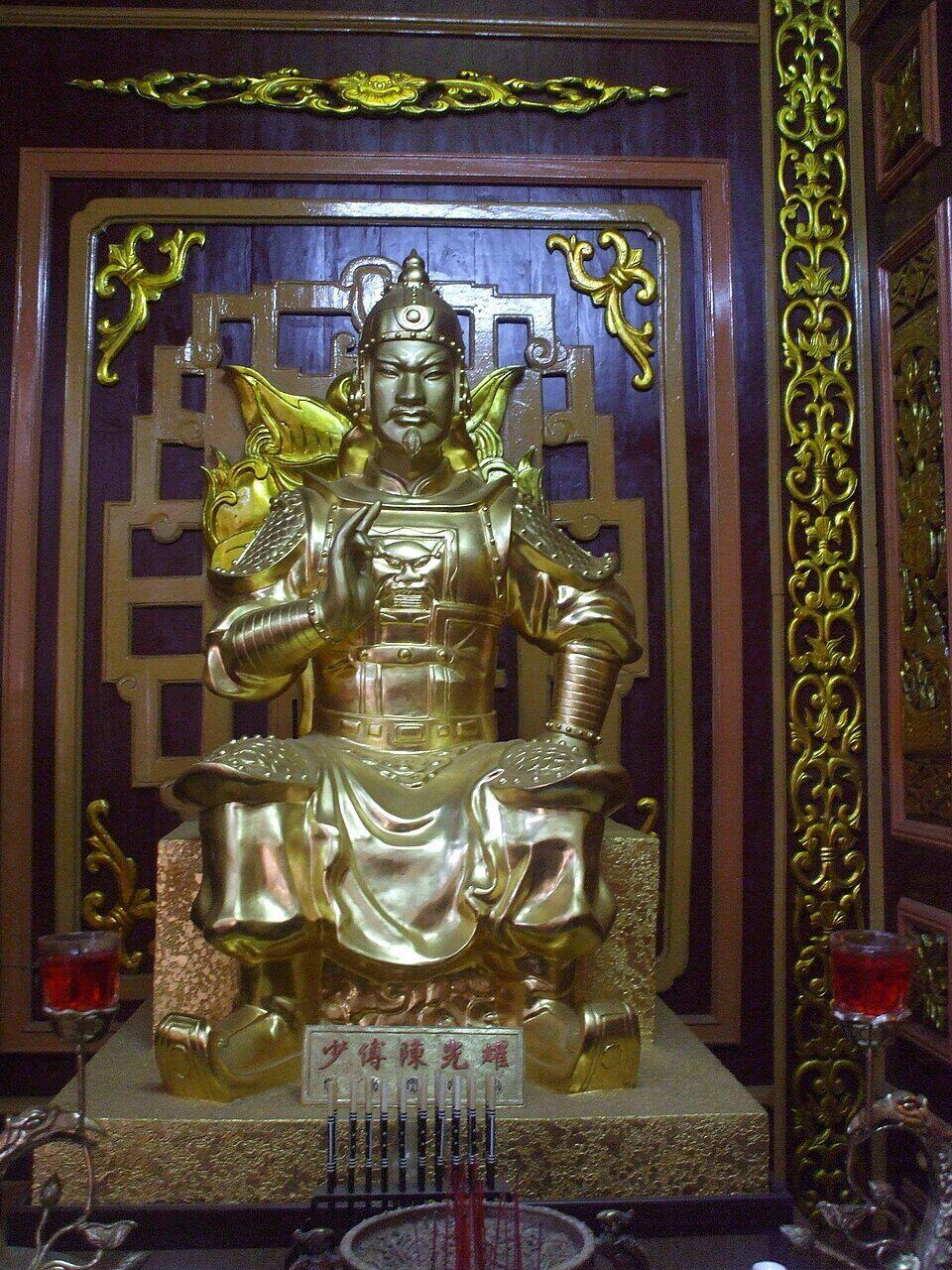
Quang Trung Museum is located in Phú Phong town, Tây Sơn district (former Bình Định, now part of Quảng Ngãi), 50 km west of Quy Nhơn. This is a Special National Relic honoring the Tây Sơn movement (1771 – 1802) and the three brothers Nguyễn Nhạc, Nguyễn Huệ, Nguyễn Lữ — especially Nguyễn Huệ (King Quang Trung) — the commoner hero who defeated 290,000 Qing troops in the Ngọc Hồi – Đống Đa victory in the Spring of Kỷ Dậu 1789. The 16-hectare complex includes: a museum displaying weapons and artifacts of the Tây Sơn dynasty; the Tây Sơn Tam Kiệt Temple; an ancient well; and a 300-year-old tamarind tree — where the three brothers played as children. The Đống Đa – Tây Sơn Festival is held here annually on the 5th day of Tết, featuring performances of Tây Sơn martial music (battle drums) — a National Intangible Cultural Heritage, and traditional Bình Định martial arts competitions.
Things to do:Yes. With an area of 25,227.60 km², Gia Lai is now the largest province in Vietnam by area after the merger, surpassing the new Lâm Đồng (24,233 km²).
Approximately 550 km. Flying takes 55 minutes (Đà Nẵng – Pleiku). By car via Lò Xo Pass – National Highway 14 takes about 9 – 10 hours. From TP.HCM: 1-hour flight, or about 8 hours by car via National Highway 14 (550 km).
Wild ginseng: 80 – 300 million VND/kg (extremely rare). Ginseng grown under forest canopy: 30 – 80 million VND/kg. Buy authentic ginseng at the Sâm Ngọc Linh Center (Tu Mơ Rông) or stores with origin certificates.
A 1,200 m plateau with a climate of 18 – 22°C year-round — similar to Đà Lạt but much more pristine. Virgin pine forests, 7 natural lakes, beautiful waterfalls. Not yet commercialized — ideal for ecotourism.