Lào Cai Province
The Roof of Indochina — misty Sa Pa and the legendary Fansipan peak
Northern Vietnam · Northwest
The Roof of Indochina — misty Sa Pa and the legendary Fansipan peak
Northern Vietnam · Northwest
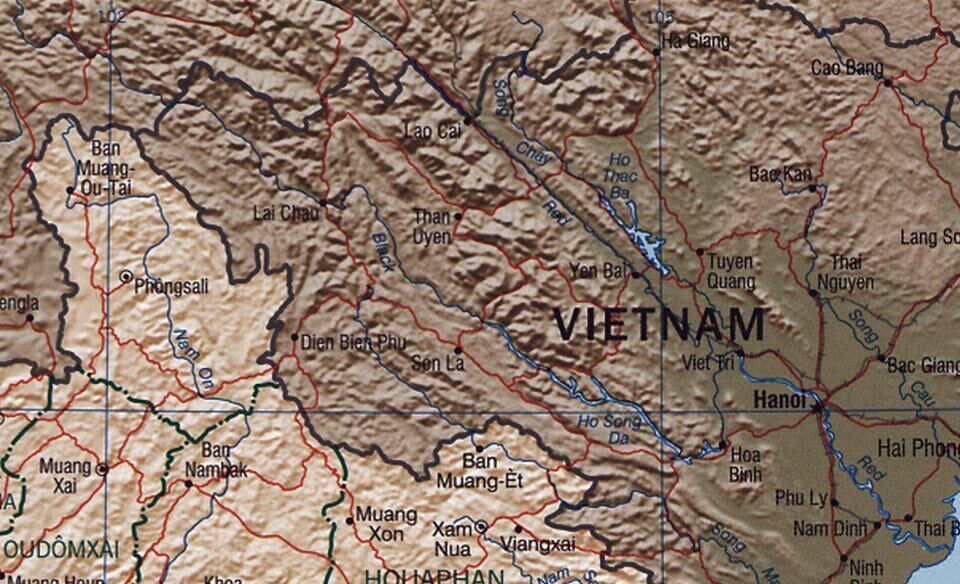
Lào Cai is a northwestern border province of Vietnam, bordering Yunnan province (China) via the Lào Cai international border gate — one of Vietnam's busiest border gates. With an area of 13,256.92 km² and a population of 1,778,785 people, Lào Cai maintains its administrative boundaries according to Resolution 202/2025/QH15 (no mergers). The province boasts two of Vietnam's top tourist symbols: Sa Pa — a misty town at an altitude of 1,600 m with the Mù Cang Chải – Sa Pa terraced fields ranked among the most beautiful in the world by National Geographic; and Fansipan peak (3,143 m) — the Roof of Indochina, now accessible by a Guinness World Record-holding 3-rope cable car. Lào Cai is home to 25 ethnic minority groups — H'Mông, Red Dao, Tày, Giáy — with rich village cultures and colorful Bắc Hà market. The administrative center is located in TP Lào Cai, 296 km from Hà Nội.
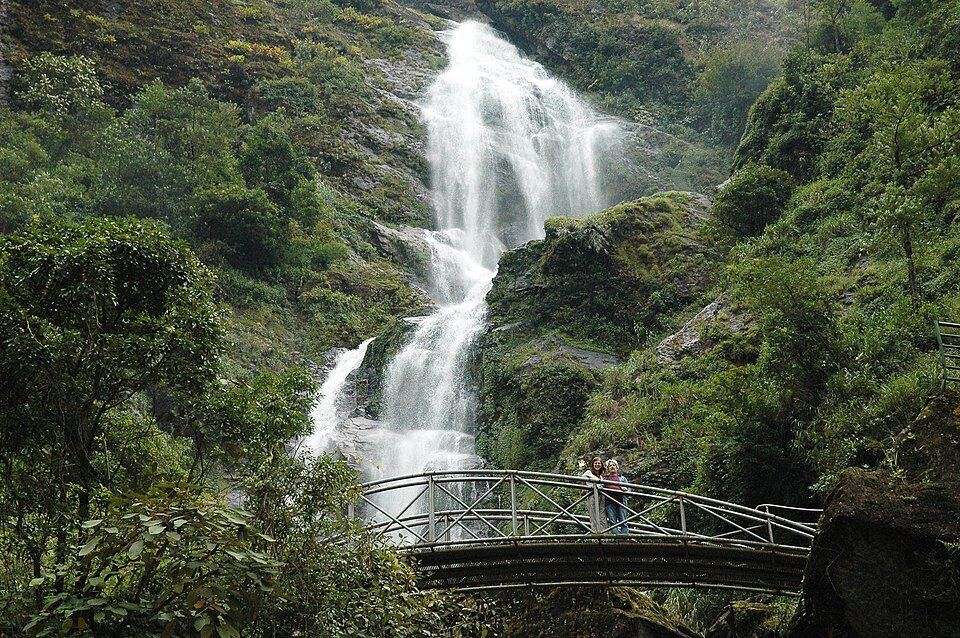
Sa Pa (Sapa) is a town in Lào Cai province, located at an altitude of 1,600 m on the slopes of the Hoàng Liên Sơn mountain range. Discovered by the French in 1903 and developed into a resort from 1920, Sa Pa has a temperate climate year-round with temperatures of 15 – 18°C, which can drop to 0°C with snow in winter. The Mường Hoa — Tả Van terraced rice fields stretch 20 km along the Mường Hoa valley and were ranked by National Geographic as among the most beautiful terraced fields in the world — with water reflecting the sky in May – June, and brilliant golden rice in September – October. Sa Pa town center features an ancient stone church (1926), Sa Pa market, and a square — bustling on weekends when H'Mông, Dao đỏ, Tày, and Giáy people come to sell goods. Famous villages include: Cát Cát (H'Mông, closest), Tả Phìn (Dao đỏ, herbal baths), Tả Van (Giáy, amidst terraced fields). Sun Plaza Sa Pa, Fansipan cable car, and Sa Pa Museum create modern tourism infrastructure alongside ethnic identity.
Things to do: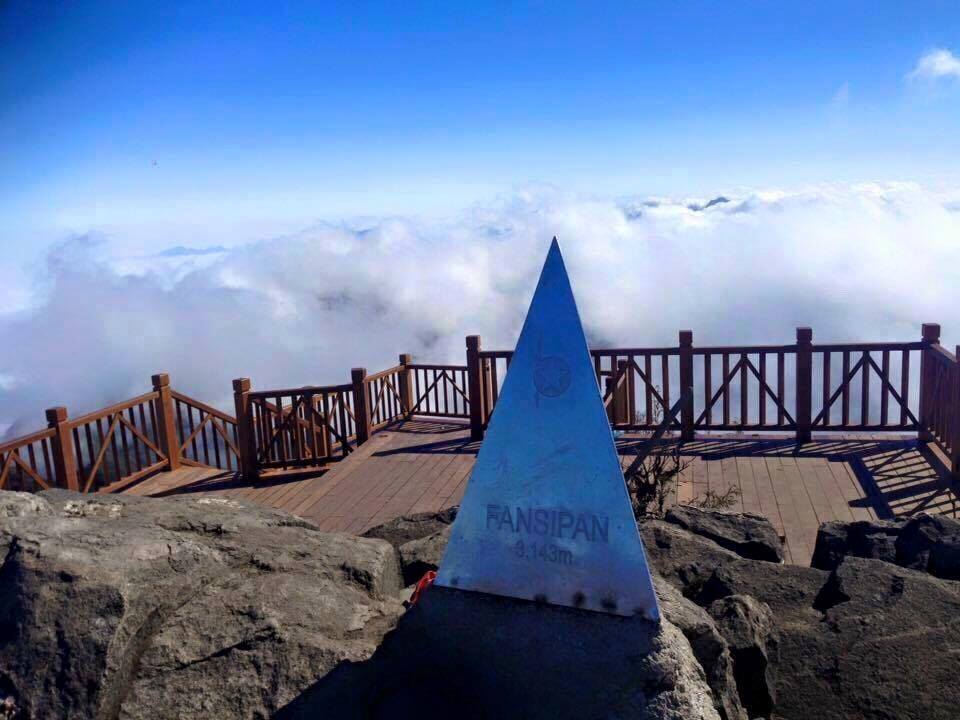
Fansipan (Phan Xi Păng) peak, 3,143 m high, belongs to the Hoàng Liên Sơn mountain range, 9 km from Sa Pa town center — it is the highest mountain peak in Indochina (Vietnam, Laos, Cambodia), dubbed 'Indochina's Rooftop'. There are two ways to conquer it: 2-day 1-night trekking through primeval forest (12 km hike, 1,400 m elevation gain) or the 3-rope Fansipan Legend cable car (Sun Group, inaugurated 2016) which is 6,292.5 m long — the 3-rope cable car with the world's largest elevation difference (1,410 m), taking 15 minutes. At the summit, there is the Fansipan Spiritual Complex including: Đại Hồng Chung weighing 6.5 tons, a 21.5 m tall Amitabha Buddha statue, Kim Sơn Bảo Thắng Tự (the highest pagoda in Vietnam). From the summit, gaze out at the vast sea of clouds — Vietnam's most magnificent scenery, especially at sunrise.
Things to do: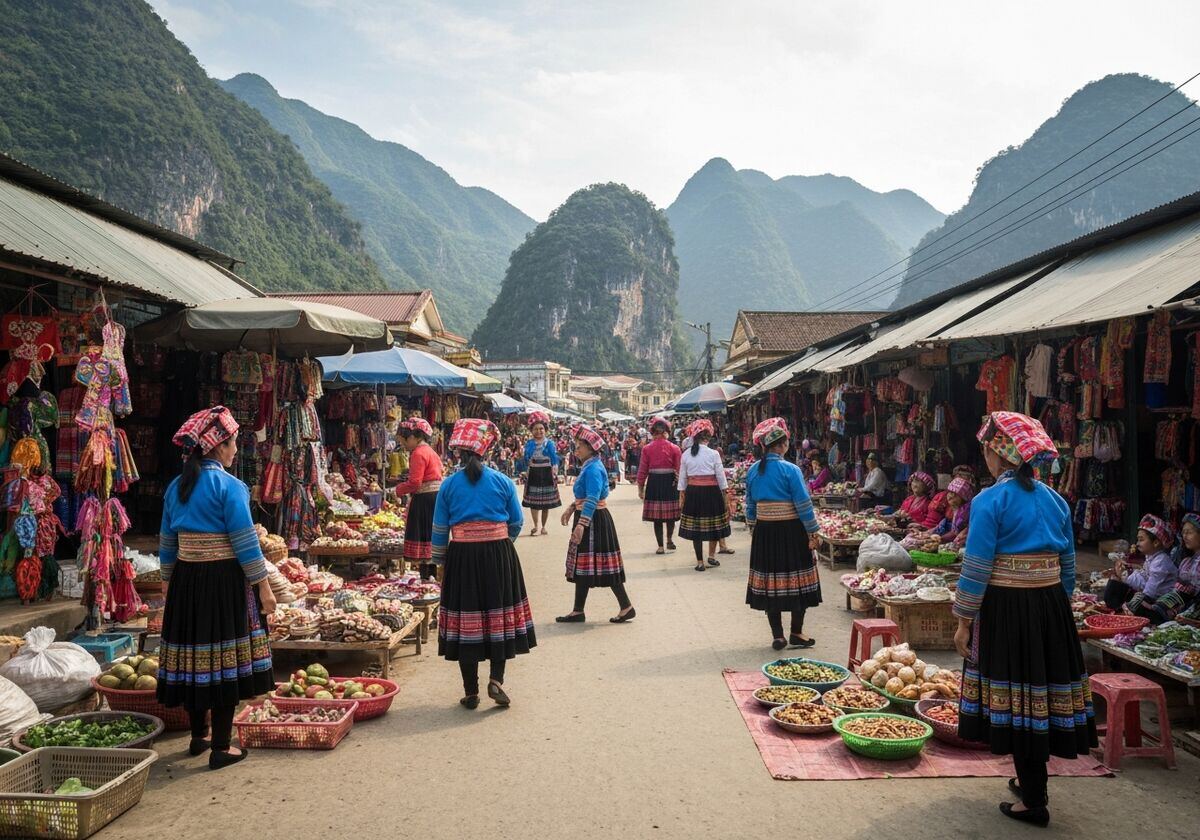
Bắc Hà market is held every Sunday morning in Bắc Hà town, 65 km east of Sa Pa. This is the most colorful market in the Northwest — where Flower H'Mong people in vibrant brocade costumes come down from villages tens of kilometers away to trade. The market sells everything: livestock (buffaloes, cows, horses, pigs, dogs), brocade, forged knives, herbs, wild vegetables, and especially the Thắng Cố stall — a stew of horse/beef offal cooked with cardamom, eaten with corn wine, an indispensable ritual. The market is most lively from 7 AM – 12 PM, then gradually disperses. Besides Bắc Hà market, there are also Cán Cấu market (Saturday) and Lùng Phình market (early Sunday morning) in the district — smaller but more authentic. Bắc Hà is also famous for Hoàng A Tưởng's mansion — a French-style mansion built by the H'Mong king in 1921.
Things to do: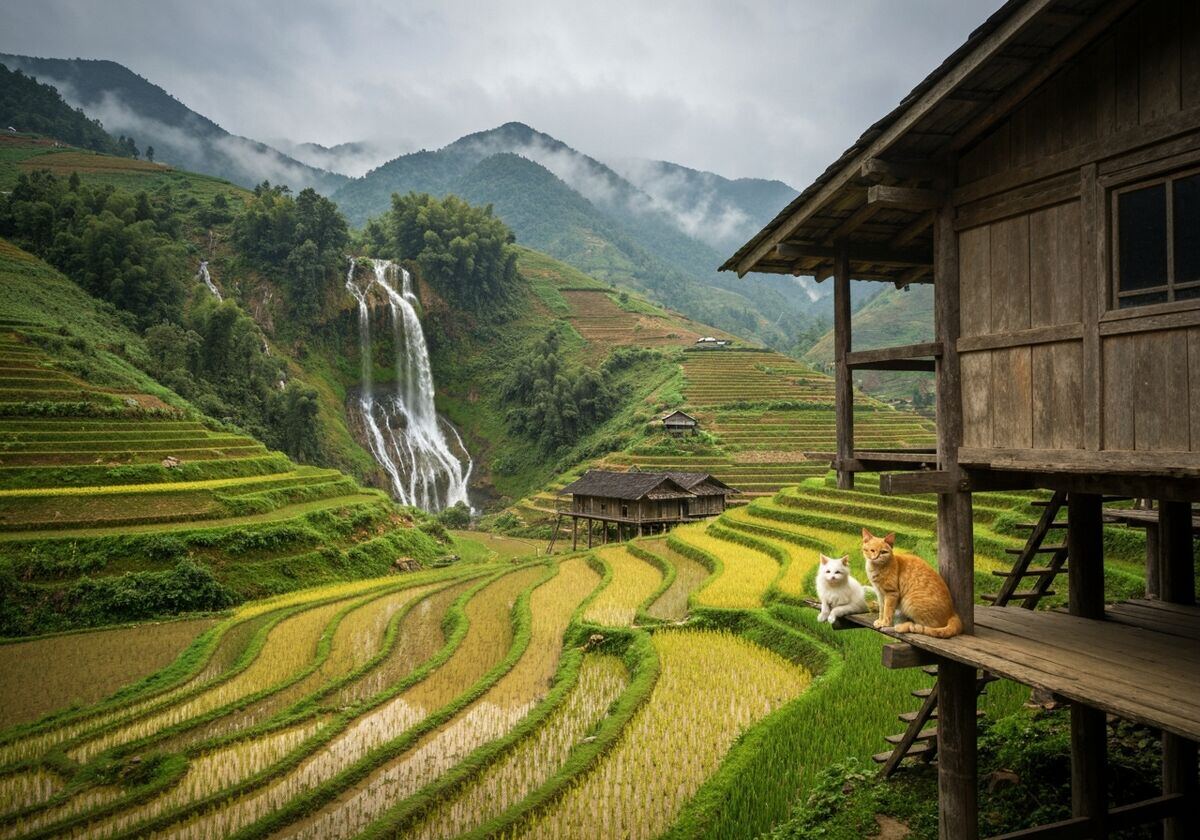
Cát Cát village is located in Mường Hoa valley, 2 km from Sa Pa center — it is the closest and most accessible tourist village in Sa Pa. The village has about 80 H'Mong households, preserving traditional crafts such as brocade weaving, silver knife forging, and making traditional musical instruments (kèn, flute). The path into the village is a steep stone trail descending into the valley, passing lush terraced fields, Cát Cát stream flowing under a suspension bridge, and Cát Cát waterfall, 20 m high — a famous check-in spot. Visitors spend about 2 – 3 hours walking around the village, watching H'Mong women weave, dye indigo, and embroider patterns. In the afternoon, there are kèn dances, umbrella dances, and đàn tính tẩu performances at the village square. Entrance fee is about 100,000 VNĐ/person (2026). Cát Cát is crowded with tourists — if you want more tranquility, go to Tả Van or Tả Phìn village.
Things to do: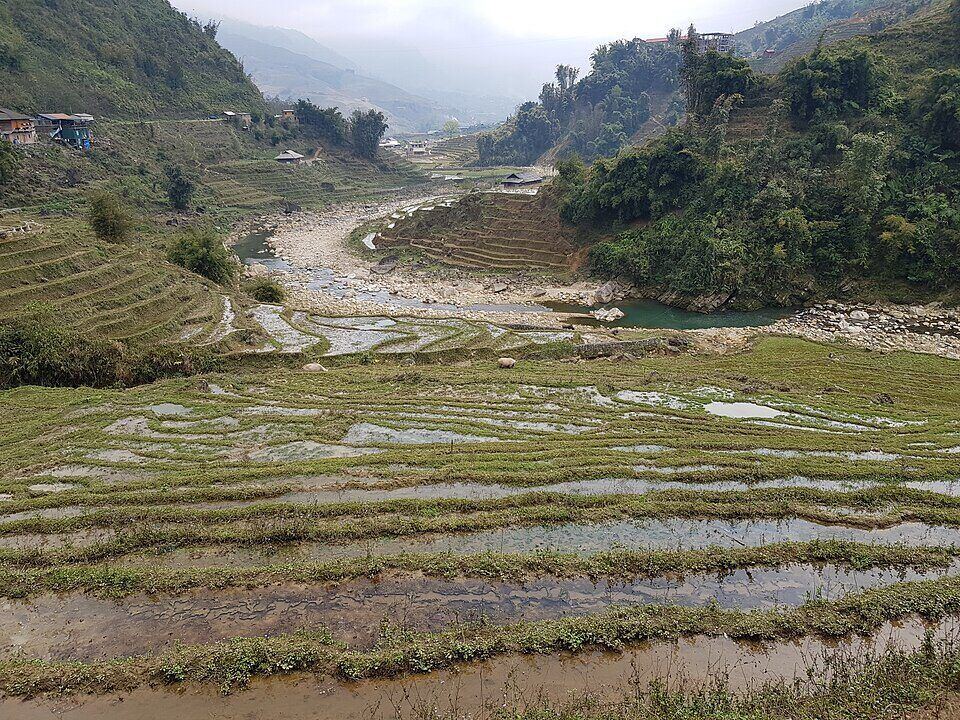
Mường Hoa valley stretches 20 km from Sa Pa down to Tả Van, Hầu Thào, Sử Pán communes — with terraced rice fields on both sides, layered from the hilltops down to the valley floor. The rice field system was created by the H'Mông, Dao, and Giáy people hundreds of years ago on steep 30 – 45° mountain slopes — an ingenious terraced irrigation system that retains water thanks to reinforced earth banks. National Geographic once ranked Sa Pa – Mường Hoa terraced fields among the most beautiful in the world. The landscape changes with the seasons: May – June, water fills the fields, creating mirrors reflecting the sky; July – August, the rice is lush green; September – October, the rice ripens to a brilliant yellow — the most beautiful time of the year; November – December, after harvest, the terraced fields are desolate and covered in mist. Along the valley is Mường Hoa ancient stone field — over 200 stones carved with mysterious patterns 2,000 – 3,000 years old, yet to be deciphered.
Things to do: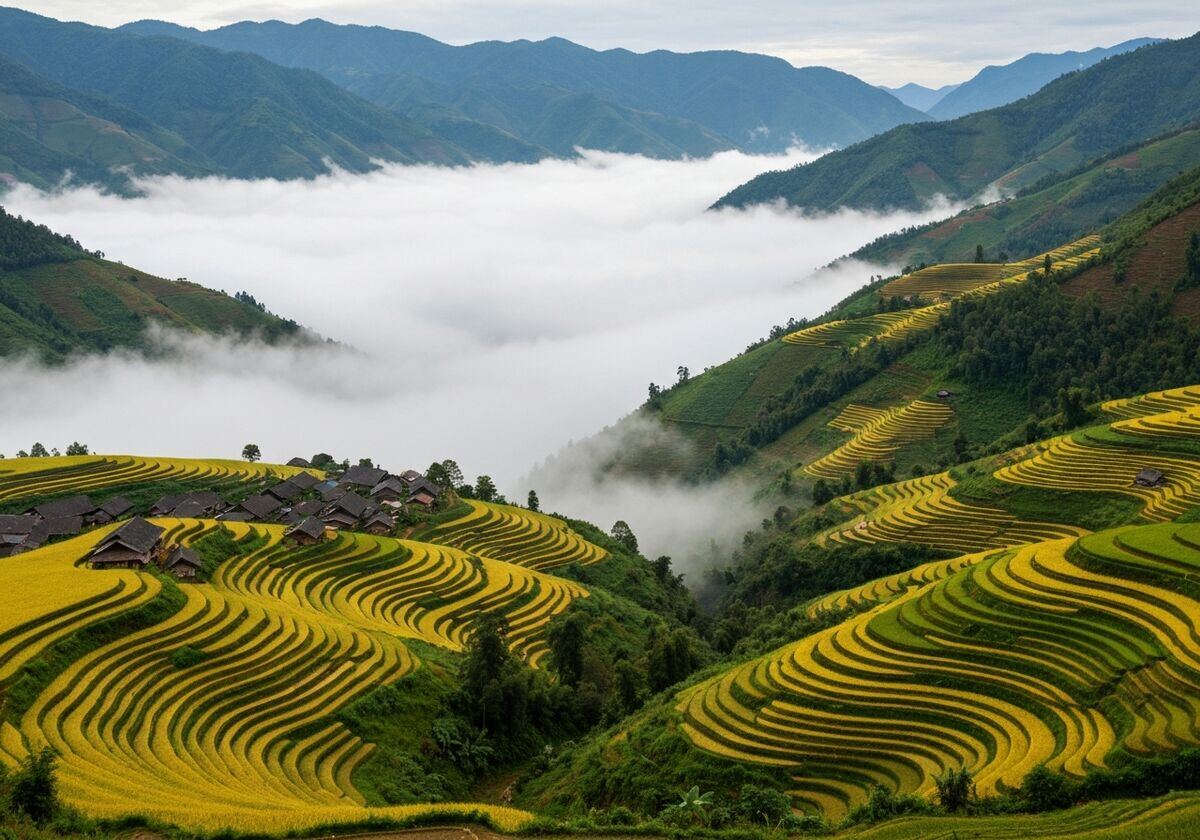
Y Tý is a highland commune in Bát Xát district, 70 km west of Sa Pa, located at an altitude of 2,000 m near the Chinese border. This is one of the most beautiful spots to admire the sea of clouds in Vietnam — early in the morning, white clouds fill the valley, creating a feeling of standing in paradise. Y Tý has the most pristine terraced fields in the Northwest — far fewer tourists than Sa Pa, with an original landscape featuring Hà Nhì villages (an ethnic minority group) living in trình tường houses (rammed earth houses). From Y Tý, you can go to Lũng Pô — where the Red River flows into Vietnam from China, marked by border marker 92. The Sa Pa – Y Tý route via Ô Quý Hồ pass (2,073 m) and the mountain trail is one of the most beautiful trekking routes in Vietnam — for adventurers.
Things to do:No. Lào Cai will retain its administrative boundaries according to Resolution 202/2025/QH15 — it is one of the few provinces that will not merge.
Yes. Sa Pa Airport (in Bảo Yên) will open in 2024, with direct flights from Ho Chi Minh City taking about 1 hour. From Hanoi: 8-hour overnight train (sleeper) or 4.5-hour expressway bus to Lào Cai + 35 km up to Sa Pa.
Fansipan Legend cable car tickets are approximately 800,000 VND/adult (2026). The 3-rope cable car is 6,292.5 m long, taking 15 minutes from Sa Pa station to the peak. Children under 1 m are free.
Every Sunday, 7 AM – 12 PM. If Sunday is not convenient, there is Cán Cấu market (Saturday, 20 km from Bắc Hà) and Lùng Phình market (early Sunday morning, smaller).
September – October: golden rice terraces (most beautiful). March – May: peach blossoms, plum blossoms, rhododendrons. December – January: possible snowfall, very cold (0 – 5°C) but rare snow-covered scenery. Avoid June – August if you don't like rain.
Hanoi – Lào Cai expressway (Nội Bài – Lào Cai) takes about 4.5 hours, then 35 km up to Sa Pa (45 minutes). Total ~5 hours 15 minutes. Overnight train (Hanoi – Lao Cai) takes about 8 hours, arriving early morning — the most classic experience.